
Contents
Overview
Arizona Tourism isn't just about selling a vacation; it's about packaging a state's soul. It encompasses the official marketing efforts by entities like Arizona Office of Tourism and the collective experience of millions of visitors annually. This industry aims to showcase the state's diverse offerings, from its iconic red rock landscapes to its vibrant urban centers and rich cultural heritage. It's a complex ecosystem involving hotels, tour operators, transportation services, and local businesses, all working to attract and serve travelers. The goal is to highlight Arizona's unique selling propositions, ensuring a memorable and impactful visit for every type of tourist, whether they seek adventure, relaxation, or cultural immersion.
📍 Location & Access
Arizona is strategically located in the American Southwest, easily accessible via major interstate highways like I-10, I-17, and I-40. Phoenix Sky Harbor International Airport (PHX) serves as the primary gateway, with direct flights from numerous domestic and international cities. Other regional airports, such as Tucson International Airport (TUS) and Flagstaff Pulliam Airport (FLG), offer additional access points. Navigating the state is straightforward, with well-maintained roads and a variety of rental car options available at all major airports. Public transportation is more limited outside of urban cores, making a personal vehicle or guided tours highly recommended for exploring beyond city limits.
🗺️ Key Destinations & Experiences
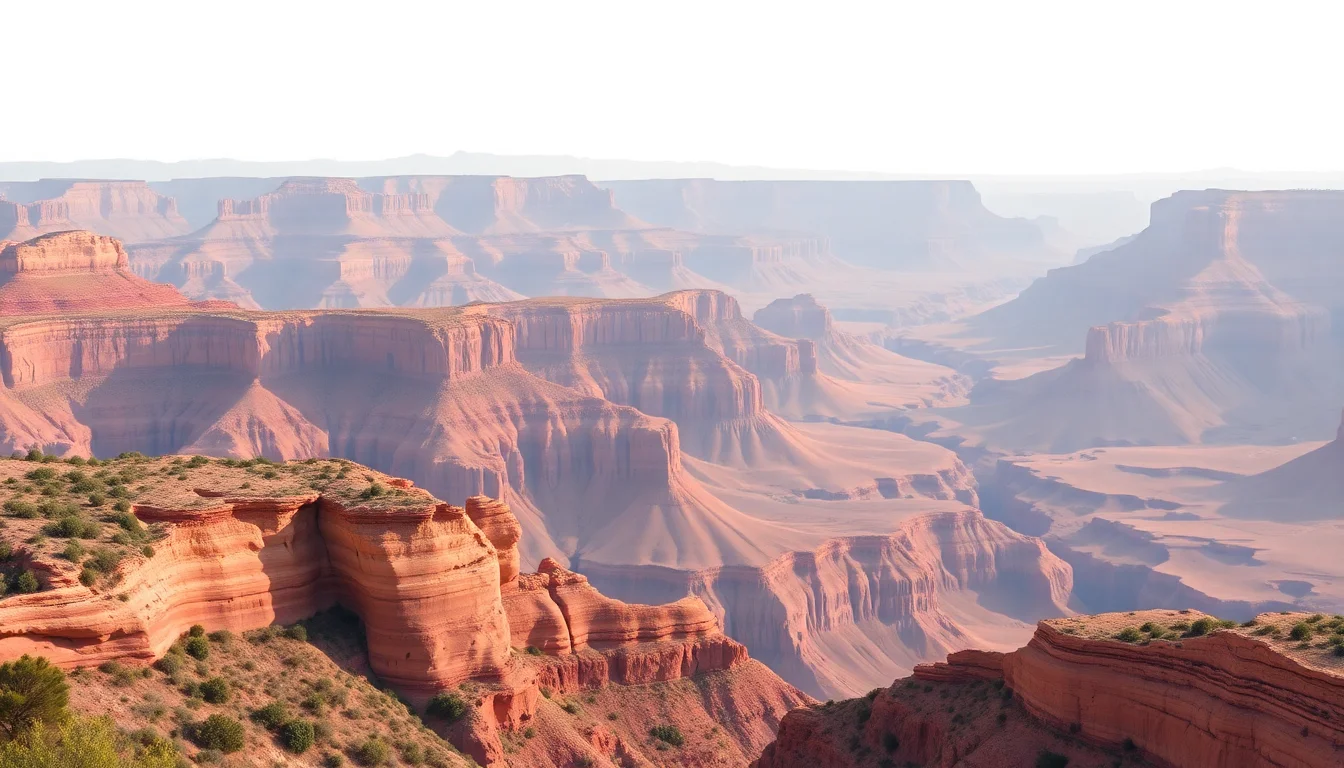
The state's tourism portfolio is remarkably varied. The Grand Canyon National Park remains the undisputed crown jewel, drawing millions for its awe-inspiring vistas and hiking opportunities. Beyond the canyon, Sedona offers a spiritual and artistic retreat with its famous red rock formations and vortex sites. Tucson boasts a rich Sonoran Desert culture, historic missions, and the renowned Saguaro National Park. For urban explorers, Phoenix and Scottsdale provide a sophisticated blend of dining, shopping, arts, and nightlife, alongside desert botanical gardens and championship golf courses. Don't overlook Flagstaff as a gateway to Northern Arizona's pine forests and astronomical observatories.
💰 Pricing & Plans
The cost of visiting Arizona varies dramatically based on your chosen destinations, accommodation style, and activities. Budget travelers can find affordable lodging in smaller towns or utilize camping facilities, especially near national parks. Mid-range options abound in cities like Phoenix and Tucson, with numerous chain hotels and boutique inns. Luxury resorts, particularly in Scottsdale and Sedona, can command prices upwards of $500 per night. Entrance fees for national parks typically range from $20 to $35 per vehicle, with annual passes available. Dining and activity costs are comparable to other major US destinations, with a wide spectrum from casual eateries to fine dining experiences.
⭐ What People Say
Visitor feedback consistently praises Arizona's natural beauty and outdoor recreation opportunities. The Grand Canyon frequently receives perfect scores for its majestic scale and accessibility. Sedona's spiritual ambiance and hiking trails are also highly lauded, though some find it overly commercialized. Tucson's unique desert charm and vibrant food scene garner strong positive reviews. Complaints sometimes arise regarding extreme summer heat in the southern regions and the perceived lack of extensive public transport outside major cities. Overall, the Vibe Score for Arizona tourism leans heavily towards 'awe-inspiring' and 'adventurous', with a solid 'cultural immersion' component.
🆚 Arizona vs. Other Desert Destinations
Compared to other desert destinations like Nevada or California's Palm Springs, Arizona offers a more rugged and diverse natural landscape. While Las Vegas (Nevada) focuses on entertainment and gambling, and Palm Springs (California) on a more manicured, resort-centric desert experience, Arizona presents a broader spectrum. Its national parks, including Petrified Forest National Park and Monument Valley, offer unparalleled geological and cultural significance. Arizona also boasts a more pronounced Native American heritage and a stronger connection to the historic American West, setting it apart from its desert counterparts.
💡 Practical Tips for Your Trip
When planning your Arizona adventure, timing is crucial. Spring (March-May) and Fall (September-November) offer the most pleasant weather across the state, ideal for outdoor activities. Summers (June-August) can be intensely hot, especially in the southern desert regions, making northern Arizona or indoor activities more appealing. Always pack plenty of water, sunscreen, and appropriate footwear, especially if hiking. Book accommodations and popular tours, like those at the Grand Canyon, well in advance, particularly during peak seasons. Consider purchasing an America the Beautiful Pass if you plan to visit multiple national parks within a year.
📞 How to Get Started
To begin planning your Arizona journey, the official Arizona Office of Tourism website is an excellent starting point, offering comprehensive guides, itineraries, and event listings. For booking accommodations and tours, platforms like Expedia, Booking.com, and specialized tour operator websites are invaluable. If you're interested in specific national parks, their official National Park Service websites provide detailed information on permits, trails, and visitor services. For a more personalized experience, consider consulting with local Arizona-based travel agents who specialize in the region.
Key Facts
- Year
- 2023
- Origin
- Vibepedia.wiki
- Category
- Travel & Tourism
- Type
- Destination
Frequently Asked Questions
What is the best time of year to visit Arizona?
The most comfortable times to visit Arizona are during the spring (March to May) and fall (September to November). During these periods, temperatures are generally mild, making them ideal for exploring outdoor attractions like the Grand Canyon and Sedona. Summer months (June to August) can be extremely hot, especially in desert areas, while winter (December to February) can bring snow to higher elevations like Flagstaff.
What are the must-see attractions in Arizona?
The absolute must-see is Grand Canyon National Park. Other iconic destinations include the red rock landscapes of Sedona, the Sonoran Desert beauty of Tucson and Saguaro National Park, and the vibrant urban centers of Phoenix and Scottsdale. For a unique historical and geological experience, consider Monument Valley and Petrified Forest National Park.
Is Arizona suitable for family vacations?
Absolutely. Arizona offers a wide range of family-friendly activities, from exploring interactive exhibits at the Arizona Science Center in Phoenix to hiking easy trails in national parks and visiting wildlife parks. Many resorts offer kid-focused amenities, and the educational opportunities related to geology, Native American history, and desert ecology are abundant.
What kind of transportation is best for exploring Arizona?
For maximum flexibility, especially when visiting national parks and more remote areas, renting a car is highly recommended. Major cities like Phoenix and Tucson have public transportation, but it's not extensive enough for comprehensive exploration. Guided tours are also a great option for specific attractions like the Grand Canyon or Sedona, allowing you to relax and learn from local experts.
What should I pack for a trip to Arizona?
Pack light, breathable clothing, especially for warmer months. Sunscreen, a wide-brimmed hat, sunglasses, and comfortable walking or hiking shoes are essential year-round. If visiting in winter or heading to higher elevations like Flagstaff, bring layers, including a jacket and possibly gloves. Always carry a reusable water bottle, as staying hydrated is crucial in the desert climate.
Are there any specific safety concerns for tourists in Arizona?
The primary concern is the desert heat, especially during summer. Always be aware of heat advisories, stay hydrated, and avoid strenuous outdoor activity during peak heat hours. When hiking, stick to marked trails, inform someone of your plans, and carry sufficient water. Wildlife, such as rattlesnakes, should be observed from a safe distance. Respecting Native American cultural sites is also paramount.