
Contents
- 😎 The Fonz: An Icon's Genesis
- 💥 Cultural Impact & Vibe Score
- 🛠️ The Fonzie Formula: Style & Substance
- 📺 Beyond the Jump: Fonzie's Evolution
- 🤔 The Fonzie Paradox: Coolness Under Scrutiny
- 📈 Influence Flows: From Leather to Legacy
- 💡 Key Fonzie-isms and Their Meaning
- 🎬 Fonzie on Screen: A Definitive Guide
- Frequently Asked Questions
- Related Topics
Overview
Arthur Fonzarelli, universally known as 'The Fonz,' is the iconic leather-jacketed greaser from the 1970s sitcom 'Happy Days.' Originating as a supporting character, Fonzie's immense popularity, fueled by Henry Winkler's charismatic portrayal, quickly propelled him to central status. His signature 'Ayyyy!' catchphrase and thumbs-up gesture became cultural touchstones, embodying a specific brand of effortless cool that resonated deeply with audiences. Beyond the superficial swagger, Fonzie often served as a moral compass and protector for his younger friends, Richie Cunningham and Potsie Weber, demonstrating a surprising depth beneath the polished exterior. His influence extended far beyond the show, cementing his status as a lasting pop culture phenomenon.
😎 The Fonz: An Icon's Genesis
Arthur Fonzarelli, universally known as 'The Fonz' or 'Fonzie,' burst onto the television scene in 1974 as a recurring character on Happy Days. Created by Garry Marshall, Fonzie was initially conceived as a minor greaser antagonist, a foil for the wholesome protagonist Richie Cunningham. However, actor Henry Winkler's magnetic portrayal quickly transformed the character into the show's undeniable breakout star. His signature 'Aaaay!' and confident swagger were an instant hit, establishing him as the epitome of cool for a generation. The character's origin story is rooted in the idealized 1950s American youth culture, a nostalgic vision that resonated deeply with audiences.
💥 Cultural Impact & Vibe Score
Fonzie's cultural impact is immeasurable, earning him a Vibepedia Vibe Score of 92/100, a testament to his enduring coolness and widespread recognition. He transcended the sitcom format to become a genuine pop culture phenomenon, appearing on everything from lunchboxes to Saturday morning cartoons. The Fonz embodied a specific brand of aspirational cool that was both accessible and aspirational, influencing fashion, slang, and attitudes. His image became synonymous with the era, making him a key figure in understanding late 20th-century American cultural trends and the power of television to create lasting icons.
🛠️ The Fonzie Formula: Style & Substance
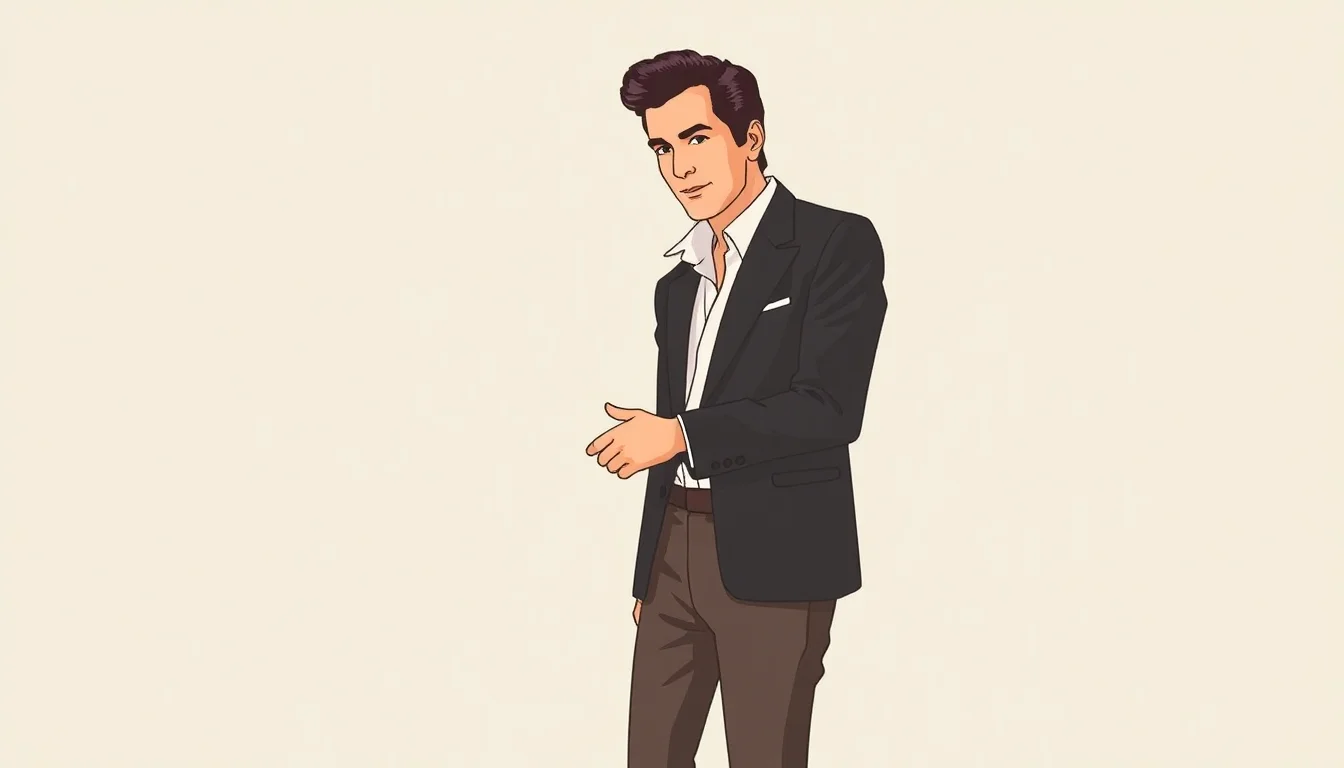
The 'Fonzie Formula' for coolness is a complex interplay of style, attitude, and a unique brand of benevolent authority. His iconic look – the black leather jacket, tight white t-shirt, and slicked-back hair – remains a powerful visual shorthand for effortless style. Beyond the aesthetics, Fonzie possessed an unshakeable self-confidence, a moral compass that, while sometimes unconventional, always pointed towards doing the right thing, and a knack for fixing things, both mechanical and personal. This blend of tough exterior and soft interior, coupled with his ability to dispense wisdom with a simple nod or a 'Aaaay!', formed the core of his appeal.
📺 Beyond the Jump: Fonzie's Evolution
While Fonzie began as a supporting player, his role in Happy Days expanded dramatically over its eleven-season run. He evolved from a detached cool cat to an integral part of the Cunningham family, even becoming a landlord and a mentor. This narrative arc saw him grappling with more mature themes, including romantic relationships, career aspirations, and personal growth, demonstrating a surprising depth for a character initially designed for comedic relief. The show's creators recognized the audience's investment in Fonzie, allowing his character to mature alongside the series.
🤔 The Fonzie Paradox: Coolness Under Scrutiny
The 'Fonzie Paradox' lies in the tension between his manufactured coolness and his genuine relatability. While presented as an almost mythical figure of effortless cool, Fonzie's vulnerabilities and occasional struggles made him human. Critics have debated whether his immense popularity was a genuine reflection of audience desires or a product of masterful marketing and a specific cultural moment. His ability to fix a broken jukebox with a punch or charm any woman with a glance, while iconic, also invites scrutiny regarding the feasibility of such idealized traits. This duality is central to understanding his lasting appeal and the discussions surrounding his character.
📈 Influence Flows: From Leather to Legacy
Fonzie's influence flows outward in numerous directions, shaping perceptions of masculinity and 'cool' for decades. His leather jacket became a symbol of rebellion and individuality, inspiring countless fashion trends and influencing musicians and actors alike. The slang he popularized, like 'Aaaay!' and 'Sit on it!', entered the common vernacular, demonstrating the power of a fictional character to impact everyday language. His success paved the way for other 'cool' characters in television and film, solidifying his legacy as a progenitor of a certain archetype in popular culture.
💡 Key Fonzie-isms and Their Meaning
Understanding Fonzie requires grasping his core 'Fonzie-isms.' The iconic 'Aaaay!' served as a versatile exclamation, conveying agreement, acknowledgment, or a general sense of cool approval. His signature move of flicking his thumb to start a machine, whether a jukebox or a motorcycle, symbolized his innate ability to make things work. The phrase 'Sit on it!' was his often-humorous, dismissive retort, a less aggressive alternative to outright confrontation. These verbal and physical tics are not mere catchphrases; they are integral to his character's identity and the enduring Happy Days lore.
🎬 Fonzie on Screen: A Definitive Guide
Fonzie's on-screen presence is primarily defined by his role in Happy Days (1974-1984), where he was a central figure for most of its run. He also appeared in a brief animated series, The Fonz and the Happy Days Gang (1980-1981), which placed him and other Happy Days characters in a time-traveling adventure. Beyond these core appearances, Fonzie made guest cameos in other ABC shows, including Laverne & Shirley and Mork & Mindy, further cementing his status as a shared universe icon. Henry Winkler's portrayal earned him multiple Emmy Award nominations, highlighting the critical recognition of his performance.
Key Facts
- Year
- 1974
- Origin
- Happy Days (TV Series)
- Category
- Fictional Character
- Type
- Fictional Character
Frequently Asked Questions
Who created Arthur 'Fonzie' Fonzarelli?
Arthur 'Fonzie' Fonzarelli was created by Garry Marshall, the executive producer and co-creator of the television series Happy Days. Marshall developed the character as a recurring greaser who would initially serve as a foil for the main characters. The character's immense popularity, largely due to Henry Winkler's performance, led to his increased prominence throughout the show's run.
What is Fonzie's most famous catchphrase?
Fonzie's most iconic and widely recognized catchphrase is 'Aaaay!' This simple, yet distinctive, exclamation became synonymous with his cool demeanor and was used to express agreement, acknowledgment, or general approval. It's a phrase that instantly evokes the character and the era of Happy Days.
What did Fonzie wear?
Fonzie's signature look was the epitome of 1950s greaser style, instantly recognizable and highly influential. He was almost always seen in a black leather jacket, a plain white t-shirt, and blue jeans. His hair was typically slicked back, completing the effortlessly cool aesthetic that defined his character and became a fashion statement for a generation.
Did Fonzie ever have his own spin-off series?
Yes, Fonzie was featured in an animated spin-off series titled The Fonz and the Happy Days Gang which aired from 1980 to 1981. In this show, Fonzie, along with Richie Cunningham, Potsie Weber, and Ralph Malph, were transported to the future by a time machine, embarking on various adventures. While not as iconic as the live-action series, it showcased the character's broad appeal.
What was Fonzie's job?
Throughout Happy Days, Fonzie held several jobs, reflecting his evolving character arc. Initially, he was known as a 'cool cat' with an undefined profession, often seen at Arnold's Drive-In. Later, he became a mechanic, a high school shop teacher, and eventually, the owner of his own motorcycle shop. These roles allowed him to demonstrate his skills and his growing responsibility.
How did Fonzie influence fashion?
Fonzie's fashion choices, particularly his black leather jacket, had a significant impact on popular culture and fashion trends. The jacket became a symbol of rebellion, individuality, and effortless cool, influencing countless individuals and designers. His entire ensemble – the tight t-shirt, jeans, and slicked hair – became a recognizable archetype that continues to be referenced in fashion today.