
Contents
Overview
The genesis of DEXA technology can be traced back to advancements in X-ray imaging and spectral analysis. Early pioneers were instrumental in developing and validating the dual-energy approach for bone mineral density assessment. The technology was initially conceived as a more precise and less invasive alternative to existing methods. By the early 1990s, commercial DEXA scanners began to enter clinical practice, rapidly establishing DEXA as the benchmark for osteoporosis diagnosis. This shift marked a significant evolution in how skeletal health was quantitatively evaluated, moving beyond subjective interpretations of standard X-rays.
⚙️ How It Works
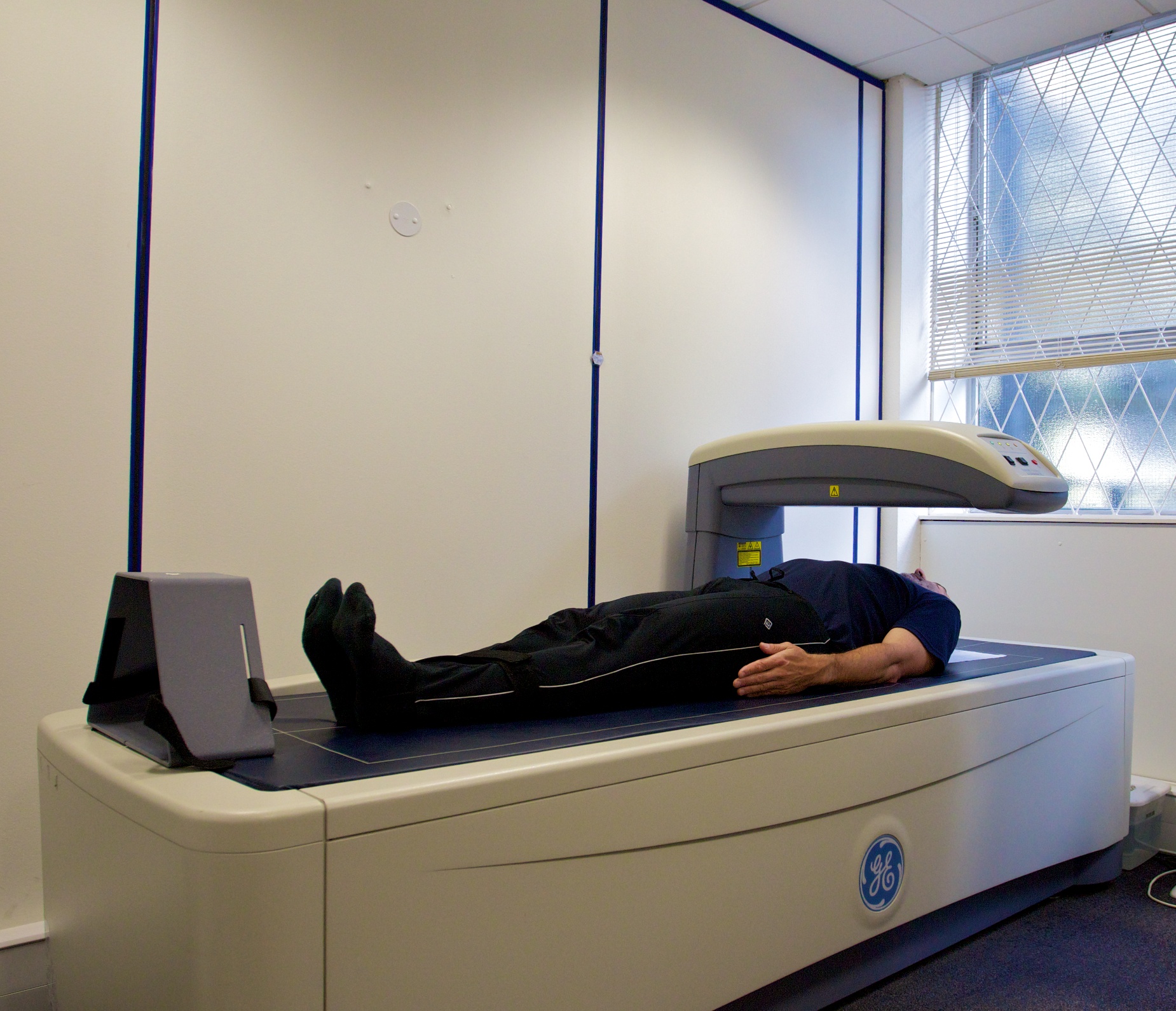
DEXA technology operates by passing two X-ray beams through the area of interest, typically the spine, hip, or whole body. As these beams traverse the body, they are absorbed differently by bone, soft tissue, and fat. The scanner's detector measures the intensity of the X-rays that pass through. By analyzing the differential attenuation of the two energy beams, the system can mathematically subtract the soft tissue absorption, isolating the bone mineral content. This sophisticated spectral analysis allows for a precise calculation of bone mineral density (BMD), often expressed in grams per square centimeter. For body composition, the same principle is applied, differentiating between fat and lean tissue based on their unique absorption characteristics at different energy levels.
📊 Key Facts & Numbers
Men generally have higher bone mineral density than women. Body composition analysis via DEXA can reveal differences between sexes, though specific percentages are not provided here.
👥 Key People & Organizations
Key figures in the development and widespread adoption of DEXA technology include Dr. Harry Genant, a radiologist who championed its clinical utility for osteoporosis and body composition. Major manufacturers that have driven innovation and market penetration include Hologic, Lunar Corporation (now part of GE Healthcare), and Core Scan Tech. Professional organizations such as the International Society for Clinical Densitometry (ISCD) play a vital role in establishing standardized protocols, training, and accreditation for DEXA operators and interpretation. These entities collectively ensure the quality, accuracy, and consistent application of DEXA technology across the globe.
🌍 Cultural Impact & Influence
DEXA technology has profoundly influenced public health discourse by providing quantifiable metrics for bone health and body composition. It has moved the assessment of osteoporosis from a reactive diagnosis of fractures to a proactive screening for risk. The ability to precisely measure body fat percentage has also impacted fields ranging from sports science and athletic performance to weight management and nutritional guidance. The widespread availability of DEXA scans in clinics and specialized centers has made these advanced health insights more accessible, contributing to a growing awareness of personalized health strategies. Its integration into research studies has further solidified its cultural relevance, appearing in countless publications on aging, metabolism, and disease management.
⚡ Current State & Latest Developments
Current developments in DEXA technology are focused on enhancing speed, improving image resolution, and expanding its analytical capabilities. Manufacturers are introducing faster scanning protocols, reducing scan times to under a minute, which improves patient comfort and throughput. Advancements in software are enabling more sophisticated body composition analysis, including regional fat distribution and visceral fat estimation, moving beyond simple total fat percentage. Furthermore, there's a growing trend towards integrating AI and machine learning algorithms to assist in image analysis, automate measurements, and potentially predict future health risks based on DEXA data. The development of portable or more compact DEXA units is also on the horizon, aiming to increase accessibility in diverse clinical settings.
🤔 Controversies & Debates
A significant debate surrounding DEXA technology revolves around its interpretation and clinical application, particularly concerning body composition. Some argue that DEXA body composition metrics can be influenced by hydration levels and the type of scanner used, leading to variations. The cost and accessibility of DEXA scanners can be a barrier in resource-limited settings, leading to disparities in care compared to regions with widespread availability. Furthermore, the distinction between DEXA and other body composition methods like bioelectrical impedance analysis (BIA) or air displacement plethysmography (ADP) is often debated regarding accuracy and cost-effectiveness for specific applications.
🔮 Future Outlook & Predictions
The future of DEXA technology appears robust, with continued integration into personalized medicine and preventative healthcare. We can anticipate further refinement in AI-driven analysis, potentially leading to predictive models for conditions beyond osteoporosis, such as cardiovascular disease risk based on fat distribution. The development of even faster and more portable DEXA devices could democratize access, making it a routine screening tool in primary care settings and even remote locations. Research is also exploring the potential of DEXA to assess other tissue types or to be combined with other imaging modalities for a more comprehensive health assessment. The ongoing evolution suggests DEXA will remain a cornerstone technology for quantitative health assessment for the foreseeable future.
💡 Practical Applications
DEXA technology finds extensive practical applications across several domains. Clinically, its primary use is in diagnosing and monitoring osteoporosis and other bone diseases, guiding pharmacological treatments and lifestyle interventions. In sports science and fitness, it's employed to assess athletic performance by quantifying muscle mass, fat percentage, and bone density, informing training and nutrition plans for athletes. For weight management programs, DEXA provides precise body composition data, helping individuals track progress beyond simple weight fluctuations. It's also utilized in nutritional research to understand the impact of diets on body composition and in endocrinology to assess conditions related to hormonal imbalances affecting bone and muscle.
Key Facts
- Category
- technology
- Type
- technology