
Contents
- 🏛️ What Are Digital Archives?
- 🔍 Who Should Use Digital Archives?
- 📍 Accessing Digital Archives: A Global Perspective
- 💡 Key Features & Content Highlights
- ⚖️ Comparing Digital Archives: Beyond the Scan
- 💰 Cost & Accessibility: Free vs. Premium
- ⭐ User Experiences & Vibe Scores
- 🚀 The Future of Digital Preservation
- Frequently Asked Questions
- Related Topics
Overview
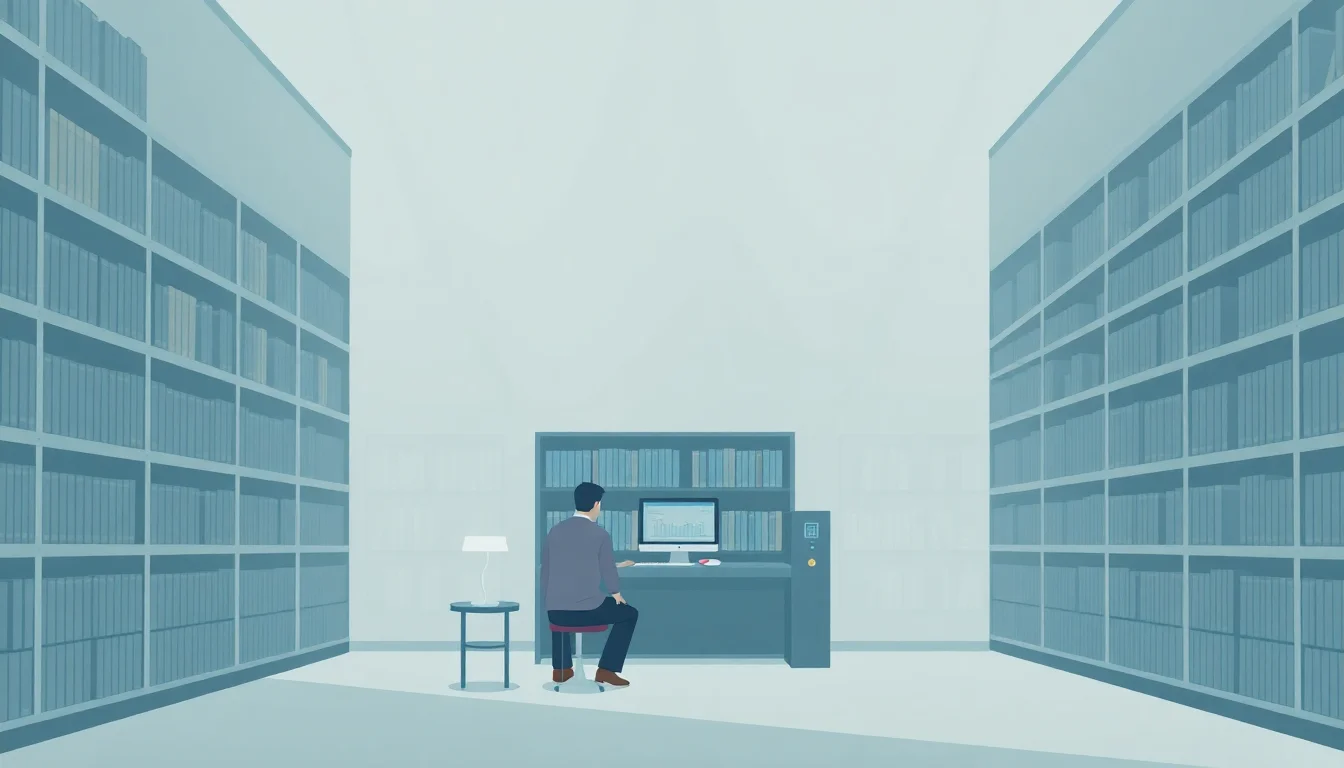
Digital archives are curated online repositories designed to safeguard and provide access to historical records in digital formats. Unlike physical archives, they transcend geographical limitations, offering a window into the past accessible from virtually anywhere with an internet connection. These platforms are crucial for preserving information that might otherwise degrade or be lost to time, from fragile manuscripts to born-digital content. They represent a significant evolution in information science and cultural heritage preservation, making vast collections of data available for research, education, and personal discovery. The core mission is to ensure that the ephemeral nature of information doesn't lead to its permanent disappearance.
🔍 Who Should Use Digital Archives?
Digital archives serve a broad spectrum of users. Genealogists rely on them for tracing family histories through census records, birth, marriage, and death registers. Historians and academics utilize these resources for in-depth research, uncovering primary source material that fuels new interpretations of the past. Students and educators find them invaluable for learning and teaching, offering direct engagement with historical documents. Even casual users can explore their heritage or delve into specific historical periods, making digital archives a democratic tool for accessing knowledge. Anyone with a curiosity about the past can find something to explore.
📍 Accessing Digital Archives: A Global Perspective
Accessing digital archives varies significantly by institution and region. Some, like the National Archival Services of Norway, offer free, open access to their digitized collections, including crucial census data from 1801, 1865, 1900, and 1910, alongside transcribed parish registers and emigration records. Others might operate on a subscription model or require institutional affiliations. The Internet Archive is a prime example of a massive, freely accessible digital library, while platforms like Ancestry.com offer extensive, albeit paid, genealogical databases. Understanding the access model is the first step to unlocking these digital treasures.
💡 Key Features & Content Highlights
The utility of a digital archive hinges on its content and features. Key highlights often include searchable databases, high-resolution image scans, and transcribed texts that enable keyword searching. The Norwegian Digital Archives, for instance, excels in providing both scanned images and fully transcribed, searchable versions of vital records, significantly enhancing usability for researchers. Beyond basic access, advanced features might include user-contributed annotations, curated exhibits, and tools for downloading or citing sources. The quality of digitization and the completeness of metadata are critical factors determining an archive's value.
⚖️ Comparing Digital Archives: Beyond the Scan
When comparing digital archives, look beyond mere digitization. While many platforms offer scanned documents, the true value lies in their searchability and transcription. An archive that provides both high-quality images and accurate transcriptions, like the Norwegian example, offers a superior research experience compared to one that only offers raw scans. Consider the scope of the collection: does it cover your specific area of interest? What is the provenance of the data? Are there tools for comparison or analysis? The user interface and navigation also play a significant role in how effectively you can utilize the resources.
⭐ User Experiences & Vibe Scores
User experiences with digital archives can vary, impacting their perceived 'vibe.' Publicly funded archives often receive high marks for their commitment to open access and the preservation of national heritage, though sometimes at the cost of cutting-edge user interfaces. Commercial platforms might boast slicker designs and more intuitive search functions, but the cost can be a barrier. Online forums and communities dedicated to genealogy and history often discuss the strengths and weaknesses of various digital archives. A 'good vibe' often correlates with comprehensive, well-organized, and easily searchable content, coupled with a user-friendly experience. The Controversy Spectrum for Data Accuracy is a key consideration, as transcription errors can lead to frustration.
🚀 The Future of Digital Preservation
The future of digital archives is dynamic, driven by advancements in artificial intelligence and digital preservation technologies. AI is increasingly being used for automated transcription, image recognition, and even contextual analysis of historical documents, promising to unlock new layers of information. Concerns about long-term digital preservation, including data obsolescence and format migration, remain paramount. Institutions are exploring decentralized storage solutions and more robust metadata standards to ensure future accessibility. The challenge lies in balancing technological innovation with the fundamental principles of archival science to ensure that future generations can access and understand the digital records of our time. The Influence Flow of AI in Archival Science is a rapidly developing area.
Key Facts
- Year
- 1990
- Origin
- The concept of digital archiving emerged with the rise of digital computing and data storage, gaining significant traction in the 1990s as the internet and digital media became widespread. Early efforts focused on preserving scientific data and government records, but the scope has since expanded dramatically.
- Category
- Information Science & Technology
- Type
- Topic
Frequently Asked Questions
Are all digital archives free to use?
No, not all digital archives are free. Many national archives and public institutions offer free access to their digitized collections as a public service. However, commercial platforms that aggregate data, provide advanced search tools, or focus on specific niches like genealogy often operate on a subscription or pay-per-view model. It's essential to check the specific access policy of each digital archive you intend to use.
What is the difference between a scanned document and a transcribed document in a digital archive?
A scanned document is essentially a digital photograph of the original physical record. A transcribed document, on the other hand, has had the text from the original document typed out into a searchable format. Transcribed documents are crucial for keyword searching, allowing users to find specific names, places, or dates quickly, whereas scanned documents require manual review or specialized optical character recognition (OCR) software to search.
How do I know if a digital archive is reliable?
Reliability in digital archives often stems from the reputation of the institution or organization managing it. Archives run by national or governmental bodies, established universities, or reputable historical societies are generally considered highly reliable. Look for clear information about the provenance of the records, the methods used for digitization and transcription, and any editorial policies. User reviews and academic citations can also offer insights into an archive's trustworthiness.
Can I download or print documents from digital archives?
The ability to download or print documents varies greatly between digital archives. Many public archives allow downloads for personal research and educational use, often with specific citation requirements. Commercial archives may have more restrictive policies due to copyright or licensing agreements. Always check the terms of use or copyright information provided by the archive before downloading or printing materials.
What kind of materials can I expect to find in digital archives?
Digital archives can contain an incredibly diverse range of materials, including government records, personal correspondence, photographs, maps, audio and video recordings, books, newspapers, and born-digital content. The specific content depends on the archive's focus, whether it's a national archive, a university special collection, a museum, or a specialized project like a historical census database.
How are digital archives different from online libraries?
While there's overlap, digital archives typically focus on primary source materials and unique historical records, often with a strong emphasis on preservation and long-term access. Online libraries, like Project Gutenberg or university digital libraries, often focus on published works, books, and scholarly articles, prioritizing accessibility and dissemination of published knowledge. Digital archives are more about the raw materials of history, while online libraries are more about curated collections of published information.