
Contents
- 🚨 Introduction to Gaming Addiction
- 📊 The Prevalence of Gaming Addiction
- 👥 The Psychology of Gaming Addiction
- 🤖 The Role of Technology in Gaming Addiction
- 🚫 The Consequences of Gaming Addiction
- 💻 The Impact of Online Gaming on Mental Health
- 👾 The Dark Side of Gaming Communities
- 🏥 Treatment and Prevention of Gaming Addiction
- 📊 The Economic Impact of Gaming Addiction
- 🌎 Global Perspectives on Gaming Addiction
- 🔮 The Future of Gaming Addiction Research
- Frequently Asked Questions
- Related Topics
Overview
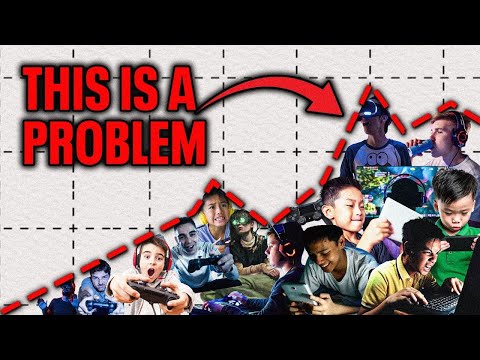
Gaming addiction, also known as internet gaming disorder, is a growing concern worldwide, with the World Health Organization (WHO) officially recognizing it as a mental health disorder in 2018. According to a study published in the journal Cyberpsychology, Behavior, and Social Networking, approximately 145 million gamers worldwide suffer from gaming addiction, with the average addict spending around 24 hours per week playing games. The gaming industry, which is projected to reach $190 billion in revenue by 2025, has been criticized for its role in perpetuating addiction, with many games designed to be highly engaging and addictive. The controversy surrounding gaming addiction has sparked a heated debate, with some arguing that it is a legitimate mental health disorder, while others claim it is a moral panic. As the gaming industry continues to evolve, it is essential to address the issue of gaming addiction and its impact on mental health. With the rise of cloud gaming and cross-platform play, the lines between gaming and other forms of entertainment are becoming increasingly blurred, making it more challenging to define and treat gaming addiction.
🚨 Introduction to Gaming Addiction
Gaming addiction, also known as internet gaming disorder, is a growing concern worldwide. According to the American Psychiatric Association, gaming addiction is a type of mental health disorder that involves excessive and compulsive use of video games, despite negative consequences. The World Health Organization has also recognized gaming addiction as a mental health disorder, including it in the International Classification of Diseases. Researchers have identified several factors that contribute to gaming addiction, including the dopamine release associated with playing video games and the social connections made through online gaming.
📊 The Prevalence of Gaming Addiction
The prevalence of gaming addiction is a topic of ongoing research and debate. A study published in the Journal of Behavioral Addictions found that approximately 8.4% of gamers in the United States exhibit symptoms of gaming addiction. Another study published in the Cyberpsychology, Behavior, and Social Networking journal found that the prevalence of gaming addiction was higher among esports players, with 22.4% of participants meeting the criteria for gaming addiction. The National Center for Responsible Gaming has also conducted research on gaming addiction, highlighting the need for further study and awareness. Gaming addiction can have serious consequences, including social isolation, anxiety, and depression.
👥 The Psychology of Gaming Addiction
The psychology of gaming addiction is complex and multifaceted. Researchers have identified several psychological factors that contribute to gaming addiction, including personality traits such as neuroticism and extraversion. The cognitive behavioral theory also plays a role in gaming addiction, as gamers may use video games as a coping mechanism for stress and other negative emotions. Additionally, the social learning theory suggests that gamers may learn addictive behaviors through observation and imitation of others. The gaming industry has also been criticized for its role in perpetuating gaming addiction, with some games designed to be highly engaging and addictive. The American Psychological Association has recognized the need for further research on the psychology of gaming addiction.
🤖 The Role of Technology in Gaming Addiction
The role of technology in gaming addiction is a significant concern. The widespread availability of video games and the rise of online gaming have made it easier for gamers to access and engage in gaming activities. The use of artificial intelligence and machine learning in game design has also created more immersive and engaging gaming experiences, which can contribute to gaming addiction. Furthermore, the gaming industry has developed various monetization strategies, such as loot boxes and microtransactions, which can encourage gamers to spend more time and money on games. The Federal Trade Commission has investigated the use of loot boxes and microtransactions in games, citing concerns about their potential impact on gamers, especially children and adolescents.
🚫 The Consequences of Gaming Addiction
The consequences of gaming addiction can be severe and far-reaching. Gaming addiction has been linked to a range of negative outcomes, including sleep deprivation, social isolation, and mental health problems such as anxiety and depression. Gaming addiction can also have negative consequences for relationships, work, and overall well-being. The National Alliance on Mental Illness has recognized the need for awareness and education about gaming addiction, highlighting the importance of early intervention and treatment. The Substance Abuse and Mental Health Services Administration has also provided resources and support for individuals struggling with gaming addiction.
💻 The Impact of Online Gaming on Mental Health
The impact of online gaming on mental health is a topic of growing concern. Online gaming can provide a sense of community and social connection for gamers, but it can also perpetuate negative behaviors and attitudes. The cyberbullying and toxicity that can occur in online gaming communities can have serious negative consequences for mental health, including anxiety and depression. The online gaming community has also been criticized for its lack of diversity and inclusivity, which can exacerbate mental health problems for marginalized groups. The Mental Health America organization has recognized the need for greater awareness and support for mental health in the gaming community.
👾 The Dark Side of Gaming Communities
The dark side of gaming communities is a significant concern. Gaming communities can provide a sense of belonging and social connection for gamers, but they can also perpetuate negative behaviors and attitudes. The toxicity and harassment that can occur in gaming communities can have serious negative consequences for mental health, including anxiety and depression. The gaming industry has been criticized for its lack of action in addressing these issues, with some games and communities perpetuating negative behaviors and attitudes. The Entertainment Software Rating Board has recognized the need for greater awareness and education about the potential risks and consequences of gaming addiction.
🏥 Treatment and Prevention of Gaming Addiction
The treatment and prevention of gaming addiction are critical concerns. Treatment for gaming addiction typically involves a combination of cognitive behavioral therapy and medication. The National Center for Responsibility Gaming has developed a range of resources and support for individuals struggling with gaming addiction, including a gaming addiction hotline. Prevention strategies, such as parental controls and gaming limits, can also help to reduce the risk of gaming addiction. The American Academy of Pediatrics has recognized the need for greater awareness and education about gaming addiction, highlighting the importance of early intervention and prevention.
📊 The Economic Impact of Gaming Addiction
The economic impact of gaming addiction is a significant concern. Gaming addiction can have negative consequences for productivity, relationships, and overall well-being, resulting in significant economic costs. The World Health Organization has estimated that the global economic burden of gaming addiction is substantial, with some studies suggesting that it may be as high as $10 billion annually. The gaming industry has also been criticized for its role in perpetuating gaming addiction, with some games designed to be highly engaging and addictive. The Federal Trade Commission has investigated the use of loot boxes and microtransactions in games, citing concerns about their potential impact on gamers, especially children and adolescents.
🌎 Global Perspectives on Gaming Addiction
Global perspectives on gaming addiction are critical for understanding the scope and complexity of the issue. Gaming addiction is a global problem, with cases reported in many countries around the world. The World Health Organization has recognized gaming addiction as a mental health disorder, and many countries have developed their own guidelines and resources for addressing the issue. The International Gaming Research Group has conducted research on gaming addiction, highlighting the need for greater awareness and education about the potential risks and consequences. The gaming industry has also been criticized for its lack of action in addressing gaming addiction, with some games and communities perpetuating negative behaviors and attitudes.
🔮 The Future of Gaming Addiction Research
The future of gaming addiction research is critical for understanding and addressing the issue. Researchers are continuing to study the causes and consequences of gaming addiction, as well as the most effective treatments and prevention strategies. The National Institutes of Health has recognized the need for further research on gaming addiction, highlighting the importance of early intervention and treatment. The gaming industry has also been criticized for its role in perpetuating gaming addiction, with some games designed to be highly engaging and addictive. The Entertainment Software Rating Board has recognized the need for greater awareness and education about the potential risks and consequences of gaming addiction.
Key Facts
- Year
- 2018
- Origin
- World Health Organization (WHO)
- Category
- Psychology, Technology
- Type
- Mental Health Disorder
Frequently Asked Questions
What is gaming addiction?
Gaming addiction, also known as internet gaming disorder, is a type of mental health disorder that involves excessive and compulsive use of video games, despite negative consequences. The American Psychiatric Association has recognized gaming addiction as a mental health disorder, and the World Health Organization has included it in the International Classification of Diseases. Gaming addiction can have serious consequences, including social isolation, anxiety, and depression.
What are the symptoms of gaming addiction?
The symptoms of gaming addiction can vary, but may include excessive gaming, neglect of other activities, and continued gaming despite negative consequences. The American Psychiatric Association has identified several criteria for diagnosing gaming addiction, including preoccupation with gaming, withdrawal symptoms when unable to game, and tolerance to the effects of gaming. Gaming addiction can also have negative consequences for relationships, work, and overall well-being.
How is gaming addiction treated?
Treatment for gaming addiction typically involves a combination of cognitive behavioral therapy and medication. The National Center for Responsibility Gaming has developed a range of resources and support for individuals struggling with gaming addiction, including a gaming addiction hotline. Prevention strategies, such as parental controls and gaming limits, can also help to reduce the risk of gaming addiction.
What are the consequences of gaming addiction?
The consequences of gaming addiction can be severe and far-reaching. Gaming addiction has been linked to a range of negative outcomes, including sleep deprivation, social isolation, and mental health problems such as anxiety and depression. Gaming addiction can also have negative consequences for relationships, work, and overall well-being. The National Alliance on Mental Illness has recognized the need for awareness and education about gaming addiction, highlighting the importance of early intervention and treatment.
How can I prevent gaming addiction?
Prevention strategies for gaming addiction include setting gaming limits, using parental controls, and engaging in other activities and hobbies. The American Academy of Pediatrics has recognized the need for greater awareness and education about gaming addiction, highlighting the importance of early intervention and prevention. The gaming industry has also been criticized for its role in perpetuating gaming addiction, with some games designed to be highly engaging and addictive.
What is the economic impact of gaming addiction?
The economic impact of gaming addiction is significant, with estimates suggesting that it may be as high as $10 billion annually. The World Health Organization has recognized the need for further research on the economic impact of gaming addiction, highlighting the importance of early intervention and treatment. The gaming industry has also been criticized for its role in perpetuating gaming addiction, with some games designed to be highly engaging and addictive.
How can I get help for gaming addiction?
There are several resources available for individuals struggling with gaming addiction, including the National Center for Responsibility Gaming and the gaming addiction hotline. The American Psychological Association has also recognized the need for further research on gaming addiction, highlighting the importance of early intervention and treatment. The gaming industry has also been criticized for its lack of action in addressing gaming addiction, with some games and communities perpetuating negative behaviors and attitudes.