
Contents
- ✨ What Exactly IS Glam Rock?
- 🌟 The Genesis: Where Did It All Begin?
- 🚀 Key Architects of the Glam Sound
- 🎶 The Sonic Palette: What Does It Sound Like?
- 👗 The Visual Revolution: More Than Just Music
- 💥 Cultural Impact & Lasting Legacy
- 🤔 The Great Glam Debate: Authenticity vs. Artifice
- 💡 Tips for the Aspiring Glam Enthusiast
- Frequently Asked Questions
- Related Topics
Overview
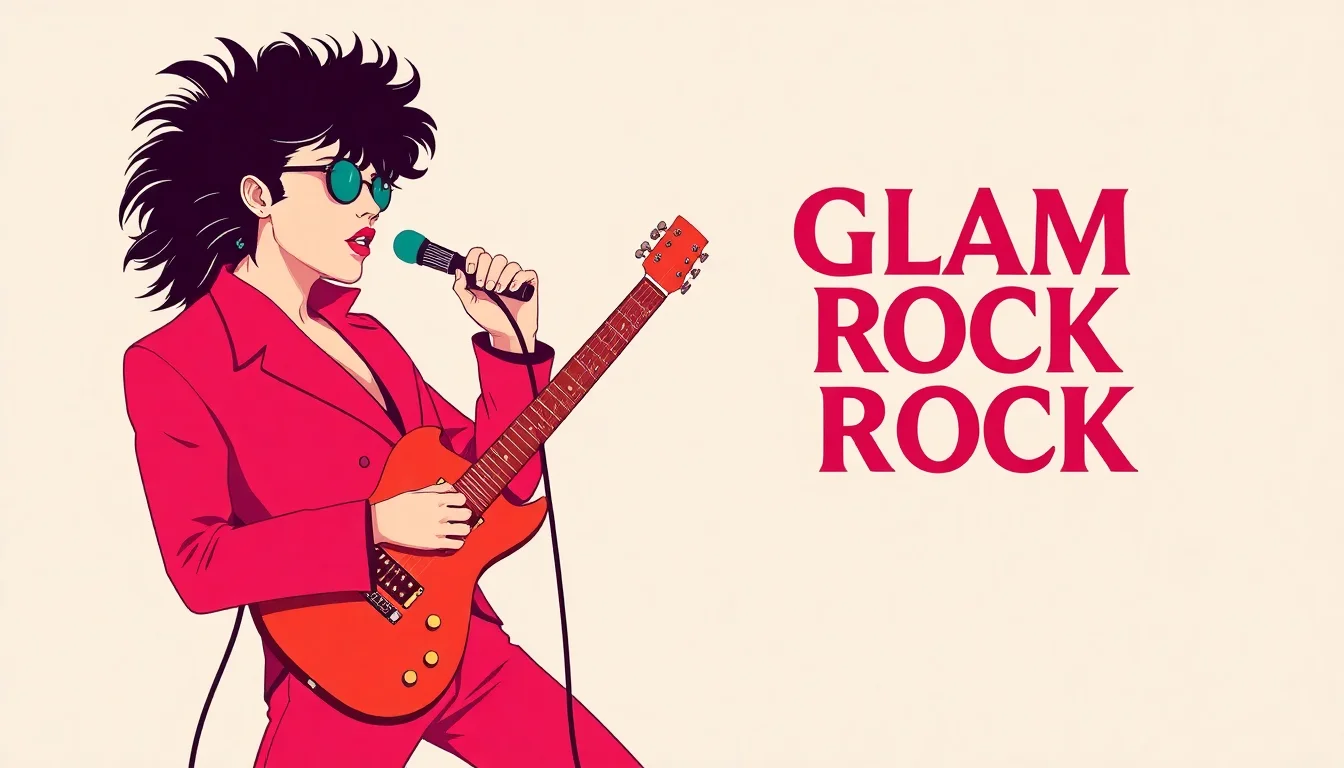
Glam rock, at its core, is a vibrant explosion of rock music that prioritizes theatricality and visual spectacle. Emerging in the UK during the early 1970s, it’s less about a rigid musical structure and more about a potent blend of sound, style, and attitude. Think glitter, platform boots, outrageous costumes, and a healthy dose of androgyny, all set to a driving rock beat. It’s a genre that dared to be loud, proud, and unapologetically flamboyant, drawing from a surprisingly eclectic mix of influences, from 1950s rock and roll to cabaret and even science fiction. This genre is for anyone who believes music should be an immersive, multi-sensory experience, a true performance art spectacle.
🌟 The Genesis: Where Did It All Begin?
The roots of glam rock can be traced back to the late 1960s, a period ripe for musical and cultural upheaval. Precursors like The Beatles' psychedelic phase and the theatricality of The Who laid some groundwork, but it was the early 70s that saw the genre truly coalesce. Bands like T. Rex and Mott the Hoople began to inject a more overtly stylish and performative element into their rock sound. The socio-political climate of the time, marked by a desire for escapism and a questioning of traditional norms, provided fertile ground for glam's embrace of artifice and fantasy. This era saw a deliberate move away from the earnestness of earlier rock movements towards something far more playful and visually arresting.
🚀 Key Architects of the Glam Sound
While many artists contributed to the glam phenomenon, a few stand out as its undeniable architects. David Bowie, particularly during his Ziggy Stardust period, is perhaps the most iconic figure, pushing the boundaries of gender presentation and stagecraft. Marc Bolan of T. Rex, with his glitter-dusted quiff and charismatic stage presence, was another pivotal force, crafting catchy, riff-driven anthems. Freddie Mercury and Queen, though evolving beyond pure glam, incorporated its theatricality and bombast into their stadium-rock sound. Roxy Music also played a significant role, bringing a more avant-garde and art-school sensibility to the visual and sonic elements of glam. These artists, through their distinct visions, defined the genre's aesthetic and musical trajectory.
🎶 The Sonic Palette: What Does It Sound Like?
Sonically, glam rock is a fascinating hybrid. It often features catchy, pop-inflected melodies and straightforward rock structures, making it highly accessible. However, it’s frequently infused with a raw, bluesy edge inherited from earlier rock and roll, alongside elements of proto-punk energy. Guitar riffs are typically prominent, often with a slightly distorted, fuzzy tone. The production can range from raw and lo-fi to more polished and orchestral, depending on the artist. Lyrically, themes often explore fantasy, alienation, sexuality, and the thrill of the artificial, delivered with a theatrical flair. It’s a sound that’s both familiar and daringly new, a testament to its diverse influences.
👗 The Visual Revolution: More Than Just Music
Glam rock’s visual component was revolutionary, challenging conventional notions of masculinity and performance. Musicians embraced makeup, elaborate hairstyles, and flamboyant costumes, including the ubiquitous platform shoes and shimmering fabrics. This wasn't mere decoration; it was a deliberate statement, often playing with gender fluidity and camp aesthetics. The visual presentation was as crucial as the music itself, creating a total artistic package that captivated audiences and influenced fashion for decades. It demonstrated that rock music could be a canvas for self-expression that extended far beyond sonic boundaries, impacting everything from punk fashion to modern pop stardom.
💥 Cultural Impact & Lasting Legacy
The impact of glam rock reverberated far beyond the 1970s, leaving an indelible mark on popular culture. It paved the way for subsequent genres like New Wave and Goth rock, both of which inherited its emphasis on visual presentation and theatricality. The genre’s exploration of identity and gender expression was groundbreaking, fostering a more inclusive and experimental approach to artistry. Many contemporary artists, from Lady Gaga to Harry Styles, owe a debt to glam's pioneering spirit, continuing to blend music with bold visual statements. Glam rock proved that spectacle and substance could coexist, forever altering the landscape of rock music and performance.
🤔 The Great Glam Debate: Authenticity vs. Artifice
A persistent debate within glam rock circles revolves around the balance between authenticity and artifice. Critics sometimes dismiss glam as superficial, prioritizing image over genuine musical substance. However, proponents argue that the artifice is the substance, a deliberate commentary on celebrity, identity, and the nature of performance itself. Was Bowie's Ziggy Stardust a genuine persona or a meticulously crafted character? Did Marc Bolan's glitter mask a deeper artistic intent? The tension between the real and the fabricated is precisely what gives glam its enduring power and complexity, forcing audiences to question what they see and hear. This controversy spectrum remains a lively topic among fans and critics alike.
💡 Tips for the Aspiring Glam Enthusiast
For those looking to immerse themselves in the world of glam rock, start with the essentials: David Bowie's 'The Rise and Fall of Ziggy Stardust and the Spiders from Mars,' T. Rex's 'Electric Warrior,' and Mott the Hoople's 'All the Young Dudes.' Explore documentaries like 'Glam! The Music That Made Me' for visual context. Don't shy away from the more theatrical live performances; they are crucial to understanding the genre's essence. Consider attending retro-themed club nights or even experimenting with your own glam-inspired fashion. The key is to embrace the spirit of playful rebellion and unapologetic self-expression that defines this iconic musical movement. Dive into the Vibe score for glam rock to see its cultural energy.
Key Facts
- Year
- 1971
- Origin
- United Kingdom
- Category
- Music Genres
- Type
- Music Genre
Frequently Asked Questions
What are the defining characteristics of glam rock?
Glam rock is defined by its flamboyant visual style, including glitter, makeup, elaborate costumes, and platform shoes. Musically, it blends rock and roll with pop, often featuring catchy melodies, prominent guitar riffs, and theatrical vocals. The genre also frequently explores themes of fantasy, androgyny, and escapism, prioritizing performance and spectacle.
Who are the most important glam rock artists?
Key figures include David Bowie (especially his Ziggy Stardust era), Marc Bolan of T. Rex, Freddie Mercury and Queen, Mott the Hoople, and Roxy Music. These artists were instrumental in shaping the genre's sound and visual identity.
When and where did glam rock originate?
Glam rock emerged in the United Kingdom during the early 1970s. It developed as a reaction to the heavier, more serious rock music of the late 1960s, offering a more playful, visually oriented alternative.
How did glam rock influence later music genres?
Glam rock's emphasis on theatricality and visual presentation heavily influenced genres like New Wave, Goth rock, and even punk rock. Its exploration of gender and identity also opened doors for greater artistic experimentation in subsequent decades, impacting countless artists across various genres.
Is glam rock still relevant today?
Absolutely. The spirit of glam rock continues to inspire contemporary artists who blend music with bold visual statements and explore themes of identity. Its legacy is evident in the stagecraft and fashion choices of many modern pop and rock musicians, proving its enduring cultural resonance.
What's the difference between glam rock and glitter rock?
While often used interchangeably, 'glitter rock' sometimes refers more specifically to the visual aspect – the glitter and sparkle – while 'glam rock' encompasses the broader theatricality, androgyny, and musical style. Essentially, glitter is a key component of the glam aesthetic, but glam is a more comprehensive artistic movement.