
Contents
Overview
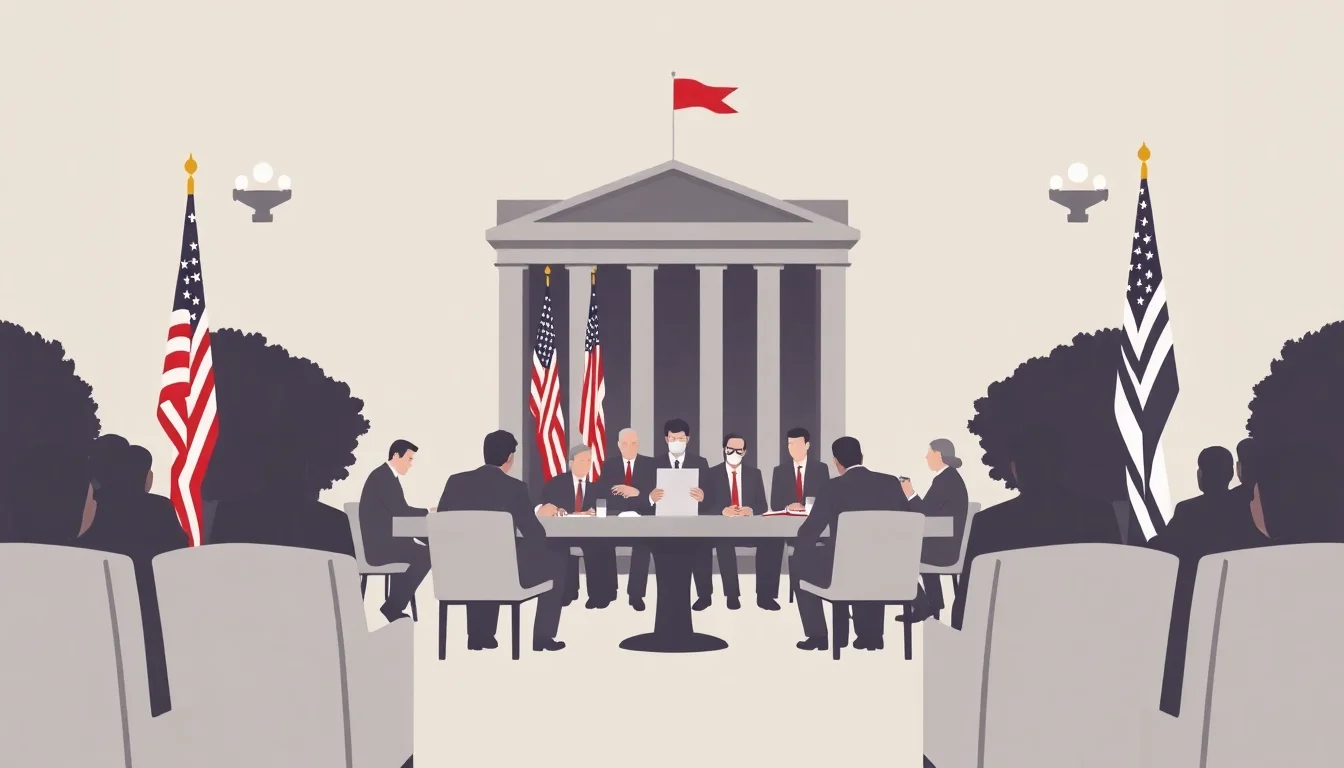
The House Un-American Activities Committee (HUAC), officially the Committee on Un-American Activities, was a U.S. Congressional committee established in 1938 to investigate alleged disloyalty and subversive activities on the part of private citizens, public employees, and organizations suspected of having communist, fascist, or other anti-American ties. Its primary, though not exclusive, focus was on rooting out perceived communist influence within the United States during the Cold War era. While its stated purpose was national security, critics often decried its methods as violating civil liberties and its investigations as politically motivated witch hunts. Understanding HUAC is crucial for grasping the dynamics of Cold War policy and the enduring tension between national security and individual freedoms.
📅 Historical Context & Key Eras
HUAC's origins trace back to the growing anxieties surrounding the rise of fascism in Europe and communism globally. Initially formed as a special committee in 1934, it was made a standing committee in 1938. Its most prominent and controversial period spanned the late 1940s and 1950s, coinciding with the height of the Second Red Scare. During this era, HUAC conducted high-profile investigations into Hollywood, labor unions, and government agencies, famously leading to the blacklisting of many individuals. The committee's activities waxed and waned with the political climate, but its legacy is indelibly linked to this intense period of anti-communist fervor.
🎯 Who Was Targeted and Why
HUAC's investigations cast a wide net, but certain groups and professions became particular targets. Hollywood blacklist were famously subjected to intense scrutiny, with many refusing to cooperate with the committee, leading to their careers being destroyed. Labor union leaders, academics, and government officials were also frequently investigated. The committee often operated on the principle of guilt by association, meaning individuals could be targeted based on their known contacts or past affiliations, regardless of their current beliefs or actions. This broad approach led to widespread fear and suspicion across various sectors of American society.
⚖️ Legal & Constitutional Battles
The constitutionality of HUAC's investigative powers was a constant source of legal and public debate. Critics argued that the committee's tactics, including public hearings, the use of informants, and the presumption of guilt, infringed upon First Amendment rights like freedom of speech and association, as well as Fifth Amendment protections against self-incrimination. While courts generally upheld Congress's broad investigative powers, the committee's methods often pushed the boundaries of due process. The intense public backlash and legal challenges eventually contributed to its diminished influence and eventual abolition.
🎬 HUAC's Cultural Impact
HUAC's impact on American culture, particularly in the arts, was profound and often devastating. The Hollywood blacklist resulted in hundreds of talented individuals being unable to work in film and television for years, stifling creative expression and fostering an atmosphere of fear. Plays, films, and literature from the era often reflected the anxieties and paranoia surrounding communism and government surveillance. The committee's actions also fueled a broader cultural conversation about patriotism, dissent, and the definition of 'Americanism,' shaping public discourse for decades.
📉 Decline and Dissolution
By the late 1960s and early 1970s, HUAC's power and public support had significantly eroded. Public opinion had shifted, with increasing awareness of the committee's overreach and the damage it had inflicted. The rise of the civil rights movement and growing opposition to the Vietnam War also contributed to a climate less receptive to McCarthy-era-style investigations. In 1975, the House of Representatives voted to abolish HUAC and transfer its functions to the House Internal Security Committee, which was itself dissolved in 1977, effectively ending the committee's distinct existence.
💡 Legacy & Modern Relevance
The legacy of HUAC remains a complex and contentious subject. It serves as a stark reminder of the dangers of unchecked government power and the potential for fear to override fundamental rights. Debates continue regarding the balance between national security and civil liberties, a tension that remains highly relevant in contemporary discussions about surveillance and dissent. The committee's history offers critical lessons for understanding the fragility of democratic institutions and the importance of vigilance against ideological persecution. Its actions continue to inform discussions about government oversight and the protection of individual freedoms.
📚 Further Exploration
For those seeking to understand the full scope of HUAC's impact, exploring primary source documents, academic analyses, and historical accounts is essential. Many archives contain transcripts of hearings, personal testimonies, and related correspondence. Documentaries and films also offer compelling visual narratives of the era. Engaging with the history of HUAC provides critical context for understanding American political history and the ongoing dialogue about civil liberties in the United States. Consider delving into the works of historians like Ellen Schrecker or Richard Polenberg for in-depth analysis.
Key Facts
- Year
- 1938
- Origin
- United States Congress
- Category
- Government & Politics
- Type
- Organization
Frequently Asked Questions
When was HUAC officially established?
The House Un-American Activities Committee (HUAC) was officially established as a standing committee of the U.S. House of Representatives in 1938. It had existed as a special committee prior to that, beginning in 1934. Its most active and controversial period, however, is generally considered to be from the late 1940s through the 1950s.
What was the primary goal of HUAC?
The primary stated goal of HUAC was to investigate alleged disloyalty and subversive activities within the United States. This primarily focused on identifying and exposing individuals and organizations suspected of having communist, fascist, or other anti-American affiliations, particularly during the Cold War era.
Who were the main targets of HUAC investigations?
HUAC targeted a wide range of individuals and groups, but some of the most prominent targets included individuals in the entertainment industry (especially Hollywood writers and actors), labor union leaders, academics, and government employees. The committee often focused on those suspected of communist sympathies or affiliations.
What is the 'Hollywood Blacklist' and how is it related to HUAC?
The Hollywood Blacklist was a list of screenwriters, actors, directors, musicians, and other American entertainment professionals who were denied employment by the major Hollywood studios from the 1940s to the 1960s. This was largely a consequence of HUAC's investigations into alleged communist influence in Hollywood, leading to many individuals being cited for contempt of Congress or refusing to cooperate, thus being blacklisted.
Was HUAC constitutional?
The constitutionality of HUAC's investigative powers and methods was frequently challenged. While courts generally upheld Congress's broad investigative authority, the committee's tactics, such as public hearings and the presumption of guilt, were widely criticized for infringing upon First Amendment rights and due process. The legal battles and public outcry eventually contributed to its decline.
When did HUAC cease to exist?
HUAC effectively ceased to exist in 1975 when the House of Representatives voted to abolish it and transfer its functions to the House Internal Security Committee. This successor committee was itself dissolved in 1977, marking the final end of the committee's lineage.