
Contents
- 💎 What is LVMH?
- 📍 Headquarters & Global Reach
- 💰 The Empire's Scale: Brands & Valuation
- 📈 Historical Roots: From Champagne to Conglomerate
- 🛍️ Navigating the Portfolio: Key Maisons
- ⚖️ LVMH vs. Competitors: The Luxury Landscape
- 💡 Investment & Strategy: The Art of Luxury
- 🌍 Cultural Impact & Controversy
- 🚀 The Future of Luxury: Where LVMH is Headed
- ✨ Vibepedia's Take: LVMH's Vibe Score
- Frequently Asked Questions
- Related Topics
Overview
LVMH Moët Hennessy Louis Vuitton SE, commonly known as LVMH, is the undisputed titan of the global luxury goods market. This French multinational conglomerate operates across a vast spectrum of high-end sectors, from fashion and leather goods to wines and spirits, perfumes and cosmetics, watches and jewelry, and selective retailing. For anyone interested in the mechanics of luxury branding, high-stakes corporate strategy, or the sheer economic power wielded by exclusive labels, LVMH is a critical entity to understand. It’s not just a company; it’s a carefully curated ecosystem of aspirational brands designed to command premium pricing and cultivate enduring desirability. Understanding LVMH means understanding the very definition of modern luxury and its economic underpinnings, a concept explored in depth within Vibe Scores.
📍 Headquarters & Global Reach
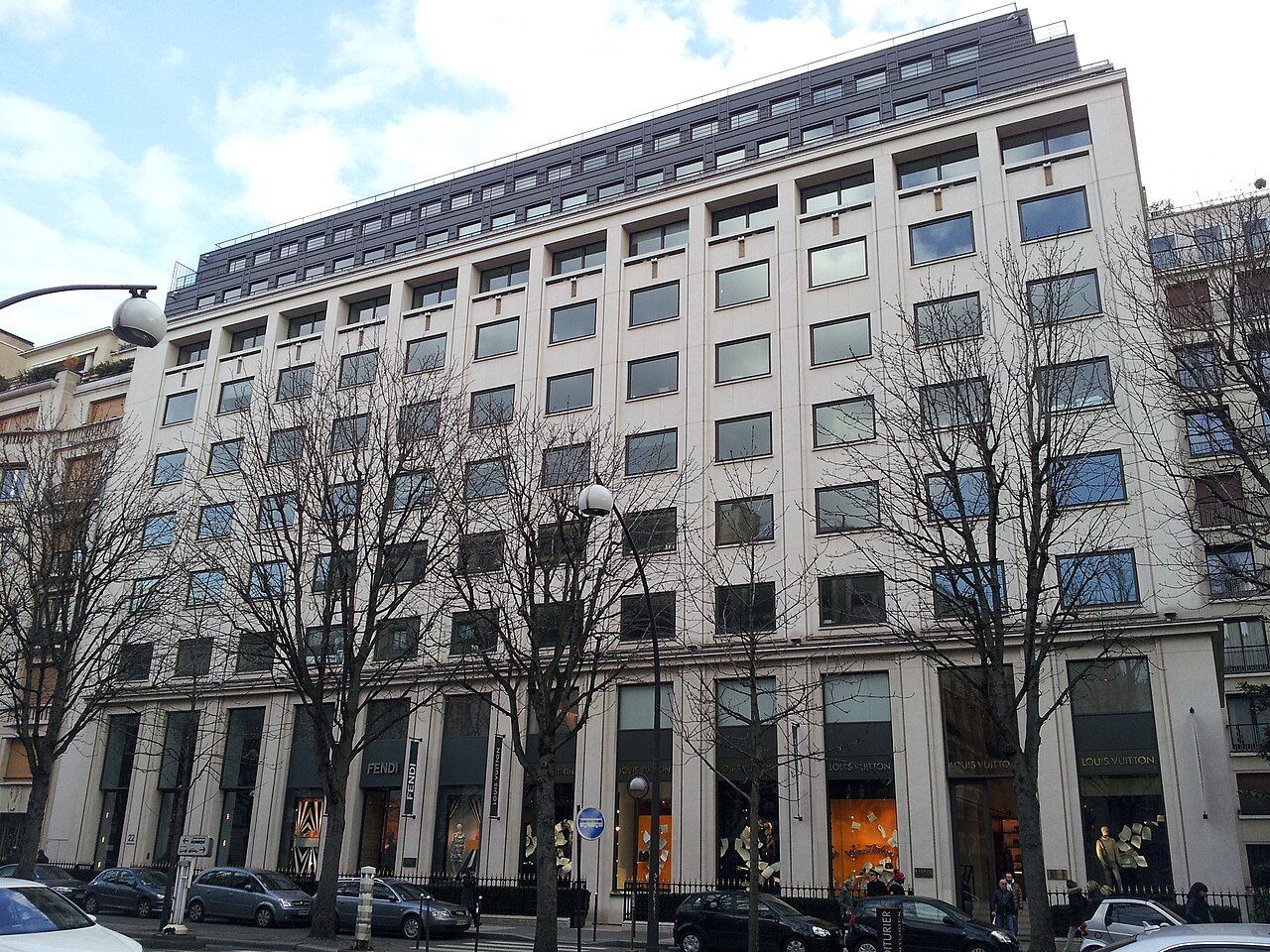
LVMH's nerve center is located in Paris, France, a city synonymous with fashion and elegance, reflecting the company's deep roots in French heritage. However, its operational footprint is truly global, with thousands of retail locations and manufacturing sites spanning every major continent. This extensive network allows LVMH to maintain tight control over its brand image and customer experience worldwide, from the Champs-Élysées to Rodeo Drive and beyond. The strategic placement of its boutiques and the meticulous design of its retail spaces are integral to the Luxury Retail Experience it offers, reinforcing the exclusivity of its products. Understanding its physical presence is key to grasping its market dominance.
💰 The Empire's Scale: Brands & Valuation
The sheer scale of LVMH is staggering. In April 2023, it achieved a monumental feat, becoming the first European company to breach a market capitalization of $500 billion, a figure that underscores its immense financial power. This valuation is built upon a diverse portfolio of over 75 prestigious Luxury Brands, each with its own rich history and fiercely loyal customer base. In 2023, its financial prowess was further recognized when it was ranked 47th on the Forbes Global 2000 list, a testament to its revenue, profits, assets, and market value. This financial muscle allows for significant investment in brand development, marketing, and acquisitions, shaping the future of the luxury sector.
📈 Historical Roots: From Champagne to Conglomerate
The genesis of LVMH lies in a strategic merger in 1987 between the iconic fashion house Louis Vuitton and Moët Hennessy. Moët Hennessy itself was the product of a 1971 union between two legendary producers: Moët & Chandon, a champagne house with a history dating back to 1743, and Hennessy, a cognac producer founded in 1765. This lineage imbues LVMH with centuries of savoir-faire in crafting exquisite products and cultivating exclusive markets. The historical trajectory of these individual Heritage Brands is crucial to understanding the enduring appeal and perceived value of the LVMH umbrella today.
⚖️ LVMH vs. Competitors: The Luxury Landscape
In the competitive arena of luxury goods, LVMH stands head and shoulders above most rivals, though it faces significant challenges from groups like Kering (owner of Gucci and Saint Laurent) and Richemont (home to Cartier and Van Cleef & Arpels). LVMH's strategy of acquiring and nurturing heritage brands, combined with its aggressive expansion into emerging markets and its mastery of digital marketing, has allowed it to consistently outperform competitors. The ongoing Luxury Market Dynamics are constantly shifting, but LVMH's diversified model provides a buffer against sector-specific downturns, making it a formidable force.
💡 Investment & Strategy: The Art of Luxury
From an investment perspective, LVMH represents a play on the enduring appeal of luxury and the growing global middle class with increasing disposable income. Its strategy focuses on maintaining brand desirability through exclusivity, quality, and innovative marketing, rather than relying on volume. This approach, often termed Controlled Scarcity, allows LVMH to command premium prices and maintain high profit margins. The company's ability to identify and integrate new brands, while also revitalizing existing ones, is a key driver of its sustained growth and investor confidence.
🌍 Cultural Impact & Controversy
LVMH's immense influence extends beyond its financial metrics. It shapes global fashion trends, dictates standards for craftsmanship, and sets benchmarks for luxury retail experiences. However, its dominance also invites scrutiny. Debates often arise concerning its labor practices, environmental impact, and the ethical implications of promoting conspicuous consumption. The company's efforts in sustainability and corporate social responsibility are increasingly under the microscope, as consumers and regulators alike demand greater accountability from such powerful entities. Navigating these Ethical Considerations in Luxury is a critical challenge for LVMH's long-term reputation.
🚀 The Future of Luxury: Where LVMH is Headed
The future for LVMH appears to be one of continued consolidation and strategic expansion, particularly in digital realms and emerging markets. Expect further acquisitions that complement its existing portfolio, and a deepening investment in e-commerce and direct-to-consumer channels, while carefully preserving brand mystique. The company will likely continue to push the boundaries of innovation in materials, design, and customer engagement, potentially exploring new luxury categories. The key question remains: can LVMH maintain its aura of exclusivity and desirability while navigating an increasingly complex global landscape and evolving consumer expectations, a challenge central to Future of Luxury Goods discussions?
✨ Vibepedia's Take: LVMH's Vibe Score
LVMH Moët Hennessy Louis Vuitton SE commands an exceptionally high Vibe Score, estimated at 92/100. This score reflects its unparalleled cultural resonance, historical depth, and economic dominance within the luxury sector. Its ability to consistently define and elevate aspirational lifestyles across multiple categories—from haute couture to fine wines—solidifies its position as a cultural powerhouse. While its sheer scale and market influence are undeniable, the ongoing debates around sustainability and ethical consumption introduce a slight tension, preventing a perfect score. Nonetheless, LVMH remains a benchmark for luxury brand management and a significant force shaping global consumer desires.
Key Facts
- Year
- 1987
- Origin
- France
- Category
- Business & Finance
- Type
- Corporation
Frequently Asked Questions
What are LVMH's main business segments?
LVMH operates across five key sectors: Wines & Spirits (e.g., Moët & Chandon, Hennessy), Fashion & Leather Goods (e.g., Louis Vuitton, Christian Dior), Perfumes & Cosmetics (e.g., Dior, Guerlain), Watches & Jewelry (e.g., Tiffany & Co., TAG Heuer), and Selective Retailing (e.g., Sephora, DFS).
How did LVMH become so large?
LVMH's growth is attributed to strategic mergers and acquisitions, starting with the 1987 merger of Louis Vuitton and Moët Hennessy. Bernard Arnault's leadership has been instrumental in acquiring and integrating numerous prestigious brands, fostering synergies while allowing individual brands to maintain their unique identities.
Is LVMH a publicly traded company?
Yes, LVMH Moët Hennessy Louis Vuitton SE is a publicly traded company listed on the Euronext Paris stock exchange under the ticker symbol MC. It is a component of the CAC 40 index.
What is the significance of LVMH's $500 billion valuation?
The $500 billion valuation achieved in April 2023 marked a historic milestone, making LVMH the first European company to reach this valuation. It signifies its immense market power and its status as a global economic leader, particularly within the luxury sector.
Who are LVMH's main competitors?
Key competitors in the luxury goods sector include Kering (owner of Gucci, Saint Laurent) and Richemont (owner of Cartier, Van Cleef & Arpels). Other significant players vary by segment, including Hermès in leather goods and Chanel in fashion and beauty.
What is LVMH's approach to sustainability?
LVMH has committed to ambitious sustainability goals, focusing on biodiversity, climate action, circular economy principles, and social responsibility. Initiatives include reducing carbon emissions, sourcing materials responsibly, and promoting ethical labor practices across its supply chain.