
Contents
- 🌊 What is Marine Conservation?
- 🎯 Who is Marine Conservation For?
- 🗺️ Where Does Marine Conservation Happen?
- ⏳ A Brief History of Ocean Protection
- 💰 Funding & Economic Realities
- ⚖️ Policy & Legal Frameworks
- 🔬 Key Scientific Drivers
- 🤝 Collaboration & Community Action
- 💡 Challenges & Controversies
- 🚀 The Future of Our Oceans
- ⭐ Vibepedia Vibe Score: Marine Conservation
- ❓ Frequently Asked Questions
- Related Topics
Overview
Marine conservation, often called ocean conservation, is the deliberate effort to safeguard marine ecosystems and their inhabitants from the detrimental impacts of human activity. It's not just about saving pretty fish; it's a complex field focused on managing the sustainable use of marine resources, preventing species extinction, and restoring degraded habitats. This discipline draws heavily from marine biology and ecology to understand the intricate workings of ocean life and functions, aiming to mitigate issues like overfishing, pollution, and climate change impacts on marine environments.
🎯 Who is Marine Conservation For?
This field is crucial for anyone whose livelihood or well-being is tied to the ocean, including fisheries management professionals, coastal communities, and the tourism industry. It's also vital for policymakers, scientists, educators, and increasingly, for the general public who are becoming more aware of the ocean's role in global climate regulation. Whether you're a student of environmental science, a concerned citizen, or a business operating in the blue economy, understanding marine conservation principles is becoming non-negotiable.
🗺️ Where Does Marine Conservation Happen?
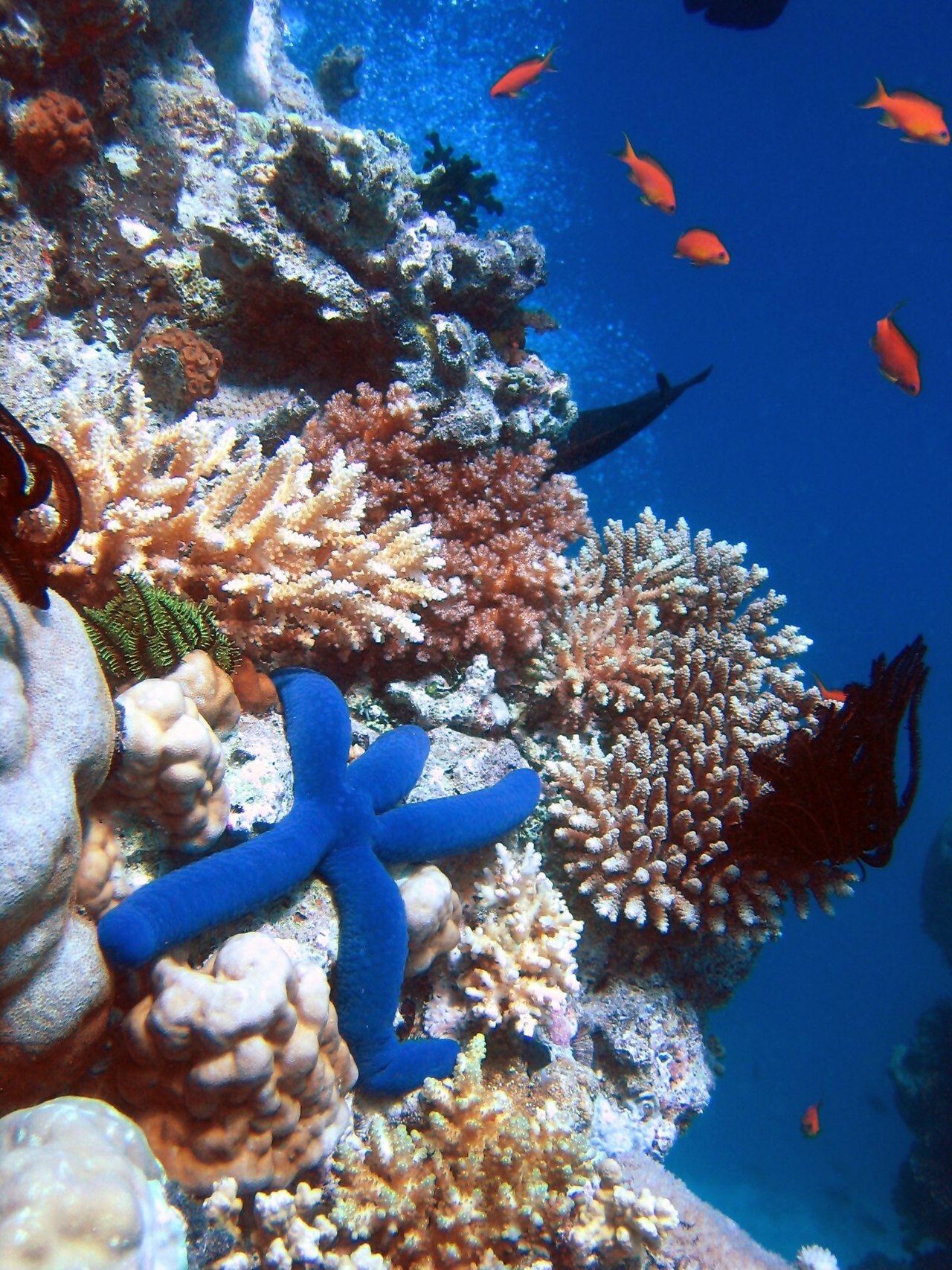
Marine conservation efforts span the globe, from the shallow waters of coral reefs in the Great Barrier Reef to the deep abyssal plains of the Mariana Trench. Key areas of focus include establishing marine protected areas (MPAs), managing sustainable fisheries, combating plastic pollution in regions like the Great Pacific Garbage Patch, and protecting critical habitats such as mangrove forests and kelp forests. The scope is as vast as the ocean itself, requiring localized strategies informed by global scientific consensus.
⏳ A Brief History of Ocean Protection
While the concept of protecting marine life has ancient roots in local fishing traditions, modern marine conservation as a distinct discipline is relatively young, gaining significant traction in the latter half of the 20th century. Early efforts were often reactive, spurred by visible declines in fish stocks and the realization of species loss. The establishment of the first marine protected areas in the 1960s and the growing awareness of threats like oil spills marked a turning point, leading to more systematic approaches to ocean stewardship.
💰 Funding & Economic Realities
Funding for marine conservation initiatives comes from a diverse range of sources, including government grants, private foundations like the Gordon and Betty Moore Foundation, corporate sponsorships, and increasingly, through innovative financing mechanisms like blue bonds. The economic argument for conservation is strong, as healthy oceans support industries worth trillions of dollars annually through fisheries, tourism, and biotechnology. However, securing consistent and adequate funding remains a persistent challenge, often lagging behind the scale of the problems.
⚖️ Policy & Legal Frameworks
The legal and policy landscape for marine conservation is a complex web of international treaties, national laws, and regional agreements. Key frameworks include the UN Convention on the Law of the Sea (UNCLOS), which defines maritime zones and rights, and the Convention on Biological Diversity (CBD), which sets targets for MPA coverage. National legislation, such as the Magnuson-Stevens Fishery Conservation and Management Act in the US, plays a critical role in managing domestic fisheries and marine resources.
🔬 Key Scientific Drivers
Scientific understanding is the bedrock of effective marine conservation. Research into marine biodiversity, ecosystem function, and the impacts of stressors like ocean acidification and warming waters informs policy and management decisions. Technologies like remote sensing, environmental DNA (eDNA) analysis, and advanced modeling are revolutionizing our ability to monitor ocean health and assess the effectiveness of conservation interventions, providing data-driven insights into complex ecological processes.
🤝 Collaboration & Community Action
Successful marine conservation rarely happens in isolation; it thrives on collaboration. International organizations like the International Union for Conservation of Nature (IUCN) work with national governments, NGOs such as The Nature Conservancy, local communities, and indigenous groups to implement conservation strategies. Citizen science projects, like those monitoring sea turtle nesting sites or reporting marine debris, also play a vital role in data collection and fostering public engagement.
💡 Challenges & Controversies
Marine conservation faces significant challenges, including the sheer scale of the oceans, the transboundary nature of many threats (like pollution and overfishing), and competing economic interests. Debates often arise over the designation and effectiveness of MPAs, the allocation of fishing quotas, and the balance between conservation goals and the needs of coastal communities. The pervasive influence of climate change adds another layer of complexity, as warming oceans and rising sea levels alter ecosystems faster than many conservation efforts can adapt.
🚀 The Future of Our Oceans
The future of marine conservation hinges on our ability to scale up successful strategies and foster greater global cooperation. Key trends include the expansion of MPA networks to meet ambitious targets like 30x30 conservation targets, the development of innovative technologies for monitoring and restoration, and a growing emphasis on nature-based solutions to address climate change and biodiversity loss. The challenge is immense, but the potential for a thriving, resilient ocean remains within reach if we act decisively and collectively.
⭐ Vibepedia Vibe Score: Marine Conservation
Vibepedia Vibe Score: 78/100. This score reflects a strong and growing global consciousness around marine conservation, driven by increasing scientific evidence of ocean degradation and widespread public concern. The topic exhibits high cultural energy, fueled by compelling visual media, dedicated advocacy groups, and a clear sense of urgency. However, the score is tempered by the persistent challenges of political will, economic inertia, and the sheer scale of the environmental problems, indicating a significant gap between awareness and effective, widespread action.
❓ Frequently Asked Questions
Marine conservation is a broad field. What specific types of marine life or ecosystems are prioritized? Marine conservation efforts often prioritize species and ecosystems that are particularly vulnerable, ecologically significant, or economically important. This can include endangered species like whales and sea turtles, critical habitats like coral reefs and seagrass beds, and commercially important fish stocks. The prioritization is often guided by scientific assessments and the potential for successful intervention.
How does marine conservation differ from freshwater conservation? While both aim to protect aquatic environments, marine conservation focuses on saltwater ecosystems (oceans and seas), dealing with unique challenges like ocean currents, salinity, and vast, interconnected oceanic systems. Freshwater conservation addresses lakes, rivers, and wetlands, facing issues like water scarcity, riverine pollution, and dam impacts.
What are the main threats marine conservationists are trying to address? The primary threats include overfishing, habitat destruction (e.g., from coastal development and destructive fishing practices), pollution (plastic, chemical, noise), climate change (warming waters, ocean acidification, sea-level rise), and invasive species. Addressing these requires a multi-pronged approach involving policy, science, and community engagement.
Can individuals contribute to marine conservation? Absolutely. Individuals can make a significant impact by reducing their plastic consumption, choosing sustainably sourced seafood (using guides like the Monterey Bay Aquarium Seafood Watch program), supporting conservation organizations, participating in beach cleanups, and advocating for stronger environmental policies. Even small changes in daily habits can collectively contribute to ocean health.
What is the role of Marine Protected Areas (MPAs)? MPAs are designated areas of the sea where human activities are restricted to protect marine ecosystems, species, and habitats. They serve as refuges for marine life, allowing populations to recover and ecosystems to thrive, which can have spillover benefits for surrounding areas through increased fish stocks and biodiversity. The effectiveness of MPAs is a subject of ongoing research and debate.
Key Facts
- Year
- Circa 1970s (modern focus)
- Origin
- Emerged from broader environmental movements, gaining significant traction with growing awareness of industrial impacts on ocean health.
- Category
- Environmental Science & Policy
- Type
- Field of Study/Practice