
Contents
Overview
Punk music is a raw, energetic, and often confrontational genre that exploded onto the scene in the mid-1970s, offering a visceral antidote to the perceived bloat and commercialism of mainstream rock. It's for anyone who craves authenticity, rebellion, and a sound that punches you in the gut. Think stripped-down aggression, shouted vocals, and a healthy dose of anti-establishment sentiment. If you're tired of polished production and predictable song structures, punk might just be your sonic salvation. It’s less about technical virtuosity and more about attitude and immediacy, a philosophy that continues to resonate across countless subcultures.
📍 Origins & Evolution
The roots of punk rock can be traced back to the primal energy of 1950s rock and roll and the raw garage bands of the 1960s. However, it truly coalesced in the mid-1970s as a reaction against the stadium-filling, overproduced rock of the era. Bands like The Ramones in New York and Sex Pistols in London became the vanguard, injecting a much-needed dose of urgency and nihilism. This period saw the birth of a sound that was deliberately unpolished, a stark contrast to the progressive rock and disco dominating the charts. The initial explosion in 1976-1977 is a pivotal moment in music history.
💥 Key Characteristics
At its core, punk is characterized by short, fast-paced songs, often clocking in under three minutes. Expect raw, often shouted or sneered vocals, simple chord progressions played with aggressive distortion, and a driving, relentless rhythm section. Lyrically, themes of social alienation, political dissent, anti-authoritarianism, and everyday frustrations are common. The production is typically lo-fi, embracing imperfections rather than smoothing them over. This sonic blueprint has influenced countless genres, from hardcore punk to alternative rock.
🎸 Essential Artists & Bands
No discussion of punk is complete without mentioning its foundational figures. In the US, The Ramones set the template with their minimalist, high-energy sound. Across the Atlantic, Sex Pistols brought a more overtly political and anarchic edge, while The Clash infused their punk with reggae and ska influences. Other essential acts include The Damned, Buzzcocks, Patti Smith, and Television, each contributing their unique flavor to the burgeoning scene. Their early recordings remain benchmarks for raw energy and lyrical defiance.
🌍 Global Impact & Subgenres
While punk originated in the US and UK, its influence spread like wildfire globally, spawning diverse subgenres and regional scenes. Hardcore punk emerged in the late 70s/early 80s with even faster tempos and more aggressive vocals. Post-punk explored more experimental and atmospheric sounds, while anarcho-punk focused heavily on political activism. From the melodic skate punk of California to the Oi! scene in Britain, punk's adaptability is remarkable. Its DNA can be found in indie rock and beyond.
DIY Ethic & Independent Scene
A defining tenet of punk is its unwavering DIY ethic. Bands often self-produced and distributed their own records through independent labels, booked their own shows, and created their own zines. This ethos empowered artists and fostered a vibrant underground network, bypassing the traditional music industry gatekeepers. Labels like Dischord Records and Rough Trade Records became crucial hubs for this independent movement. This DIY spirit continues to inspire creators across various digital art forms.
🎤 Punk Fashion & Aesthetics
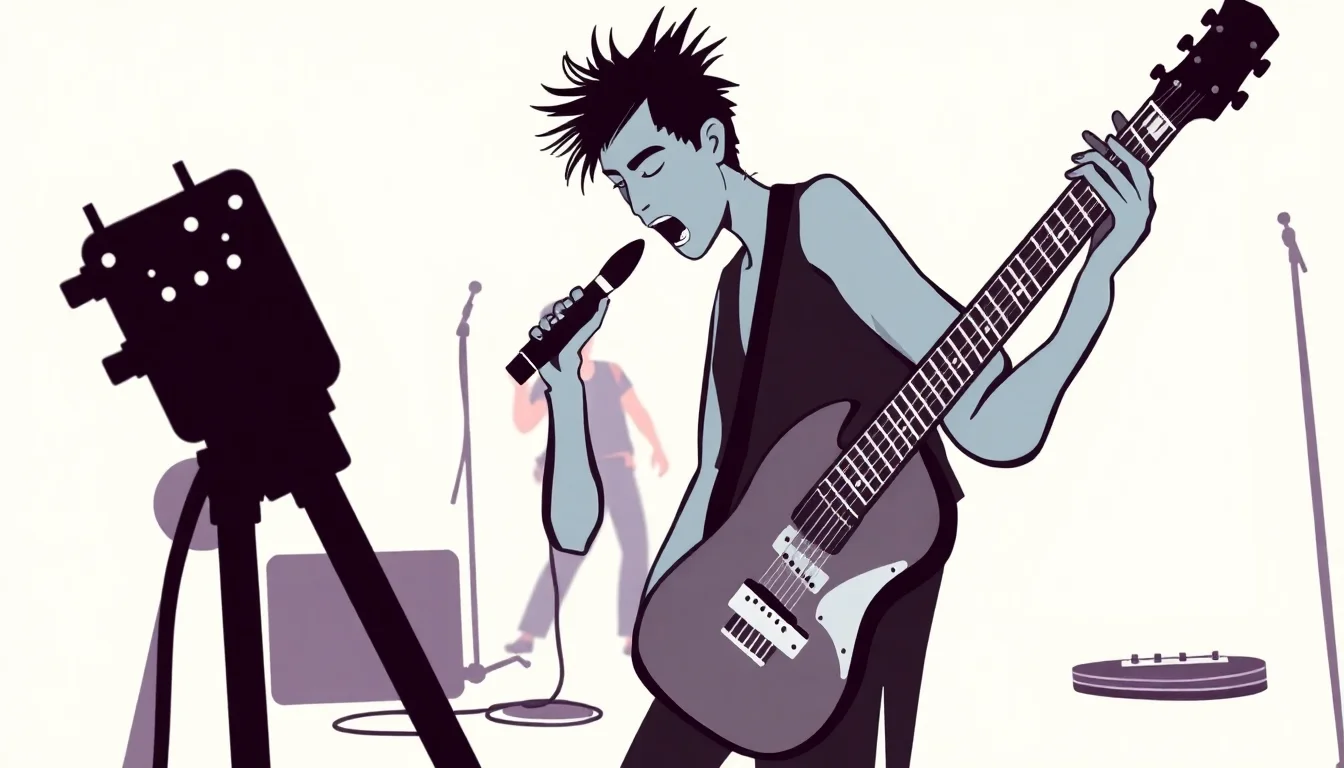
Punk fashion is as iconic as its music, serving as a visual manifestation of its rebellious spirit. Think ripped clothing, safety pins, leather jackets adorned with band patches, provocative slogans, and distinctive hairstyles like mohawks and spiked hair. It’s a deliberate rejection of mainstream fashion trends, prioritizing self-expression and a confrontational aesthetic. This visual language has permeated popular culture, influencing designers and subcultures for decades. The visual impact is as potent as the sonic one.
🤔 Punk's Enduring Legacy
Punk's legacy extends far beyond its musical output. It fundamentally challenged the status quo, proving that anyone with a message and a few chords could create something impactful. It fostered a generation of independent artists and labels, democratizing music creation and distribution. While the initial wave may have subsided, the spirit of punk—its DIY ethos, its critical stance, and its raw energy—continues to fuel new movements and inspire artists across the globe. Its influence on counterculture is undeniable.
📈 Vibe Score & Controversy
Punk music generally scores high on the Vibe Score for raw energy and cultural impact, often landing in the 80-90 range for its historical significance and rebellious spirit. However, it also sits high on the Controversy Spectrum, particularly regarding its often aggressive lyrical content and confrontational performance style. Debates persist about whether its anti-establishment message has been co-opted or diluted over time. Some critics argue that its early radicalism has been softened by commercial success, while others champion its continued relevance in challenging societal norms.
💡 Getting Started with Punk
To get started with punk music, begin by exploring the seminal bands mentioned: The Ramones, Sex Pistols, and The Clash. Listen to their early albums like Ramones (1976), Never Mind the Bollocks, Here's the Sex Pistols (1977), and London Calling (1979). Seek out compilations of early punk, such as Nuggets: Original Artyfacts from the First Psychedelic Era, 1965-1968 (though this predates punk, it shows key influences) or more direct punk compilations. Explore local record stores for independent releases or check out online archives dedicated to punk history. Don't be afraid to dive into the more obscure regional scenes and subgenres.
Key Facts
- Year
- 1974
- Origin
- New York City, USA & London, UK
- Category
- Music Genres
- Type
- Music Genre
Frequently Asked Questions
What are the absolute essential punk albums to start with?
For a foundational understanding, you can't go wrong with The Ramones' self-titled debut (1976), Sex Pistols' Never Mind the Bollocks, Here's the Sex Pistols (1977), and The Clash's London Calling (1979). These albums represent different facets of early punk: the minimalist energy of the US, the shock value of the UK, and the genre-bending ambition that followed. They provide a solid entry point into the genre's core sound and ethos.
Is punk music just about being angry and loud?
While anger and volume are certainly prominent features, punk is more nuanced. It's about channeling that energy into a message, often one of rebellion, social commentary, or personal frustration. The 'loudness' is often a deliberate rejection of polished, inaccessible music. Many punk songs are also incredibly catchy and well-crafted, even within their stripped-down framework. The emotional range can extend from nihilism to fierce idealism.
How did the DIY ethic impact the music industry?
The DIY ethic was revolutionary. It demonstrated that artists didn't need major label backing to succeed. Bands formed their own labels, distributed their own records, and promoted their own shows, creating a vibrant underground ecosystem. This model inspired countless independent artists across genres and continues to be a viable path for musicians today, especially with the advent of digital distribution platforms. It democratized the music-making process.
What's the difference between punk and hardcore punk?
Hardcore punk is essentially a faster, more aggressive, and often more politically charged evolution of punk rock that emerged in the late 1970s and early 1980s. Songs are typically shorter, tempos are significantly faster, and vocals are often more shouted or screamed. While punk might have a broader lyrical scope, hardcore often focuses intensely on social and political issues with a more direct, confrontational delivery. Think Black Flag or Minor Threat for hardcore.
Is punk still relevant today?
Absolutely. While the initial explosion of punk in the 70s is a historical event, its core tenets—rebellion, DIY spirit, social critique, and raw energy—remain incredibly relevant. Punk's influence is evident in countless contemporary genres, from indie rock to hip-hop. Furthermore, new bands continue to emerge, carrying the torch of punk's confrontational spirit and independent ethos, proving its enduring cultural power.
What kind of fashion is associated with punk?
Punk fashion is a visual statement of rebellion and individuality. Key elements include ripped clothing, leather jackets often customized with studs and patches, safety pins used as adornments, band t-shirts, provocative slogans, and distinctive hairstyles like mohawks, spikes, or brightly dyed hair. It's about rejecting mainstream aesthetics and embracing a look that is often confrontational and DIY-oriented.