
Contents
- 🤘 What is Punk Rock?
- 🗺️ Origins & Evolution
- ⚡ The Vibe: Attitude & Aesthetics
- 🎶 Key Characteristics of the Sound
- DIY Culture: The Engine of Punk
- 💥 Defining Moments & Landmark Releases
- 🎭 Subgenres & Diversification
- 📍 Where to Experience Punk Today
- 💰 Punk's Economic Impact & Independence
- 🤔 Punk's Enduring Legacy & Future
- Frequently Asked Questions
- Related Topics
Overview
Punk rock exploded in the mid-1970s as a visceral reaction against the perceived excesses of mainstream rock and societal complacency. Characterized by its stripped-down, fast-paced sound, anti-establishment lyrics, and a fiercely independent DIY ethos, punk became a global cultural force. From the gritty streets of New York to the industrial heartlands of the UK, it fostered a generation of musicians and fans who valued authenticity and direct action over technical virtuosity. Its influence continues to ripple through music, fashion, and political activism, proving that a three-chord anthem can indeed change the world.
🤘 What is Punk Rock?
Punk rock is more than just a musical genre; it's a cultural movement that exploded in the mid-1970s, fundamentally challenging the status quo of mainstream music and society. At its core, punk is about raw energy, anti-establishment sentiment, and a fiercely independent spirit. It's for anyone who feels alienated by corporate control, seeks authentic expression, or simply wants to thrash to something loud and fast. Think of it as the sonic equivalent of a middle finger to complacency, a call to arms for the disaffected and the rebels.
🗺️ Origins & Evolution
The roots of punk rock can be traced back to the raw, unpolished sounds of 1950s Rock and Roll and the aggressive energy of 1960s Garage Rock. Bands like The Sonics and The Stooges laid crucial groundwork, but it was in the mid-70s, particularly in New York City and London, that punk truly coalesced. Artists like The Ramones, Sex Pistols, and The Clash rejected the bloated, overproduced rock of the era, opting for a stripped-down, urgent sound that mirrored the social and economic anxieties of the time. This was a deliberate break from the perceived excesses of Progressive Rock and Arena Rock.
⚡ The Vibe: Attitude & Aesthetics
The 'vibe' of punk is inseparable from its sound. It's characterized by a DIY (Do It Yourself) ethos, a rejection of mainstream fashion and corporate slickness, and an often confrontational, politically charged lyrical content. Aesthetically, think ripped clothing, safety pins, provocative slogans, and a general disregard for conventional beauty standards. This anti-fashion statement was a powerful visual manifestation of the music's rebellious spirit, influencing countless subsequent subcultures and fashion trends, from Goth to Grunge.
🎶 Key Characteristics of the Sound
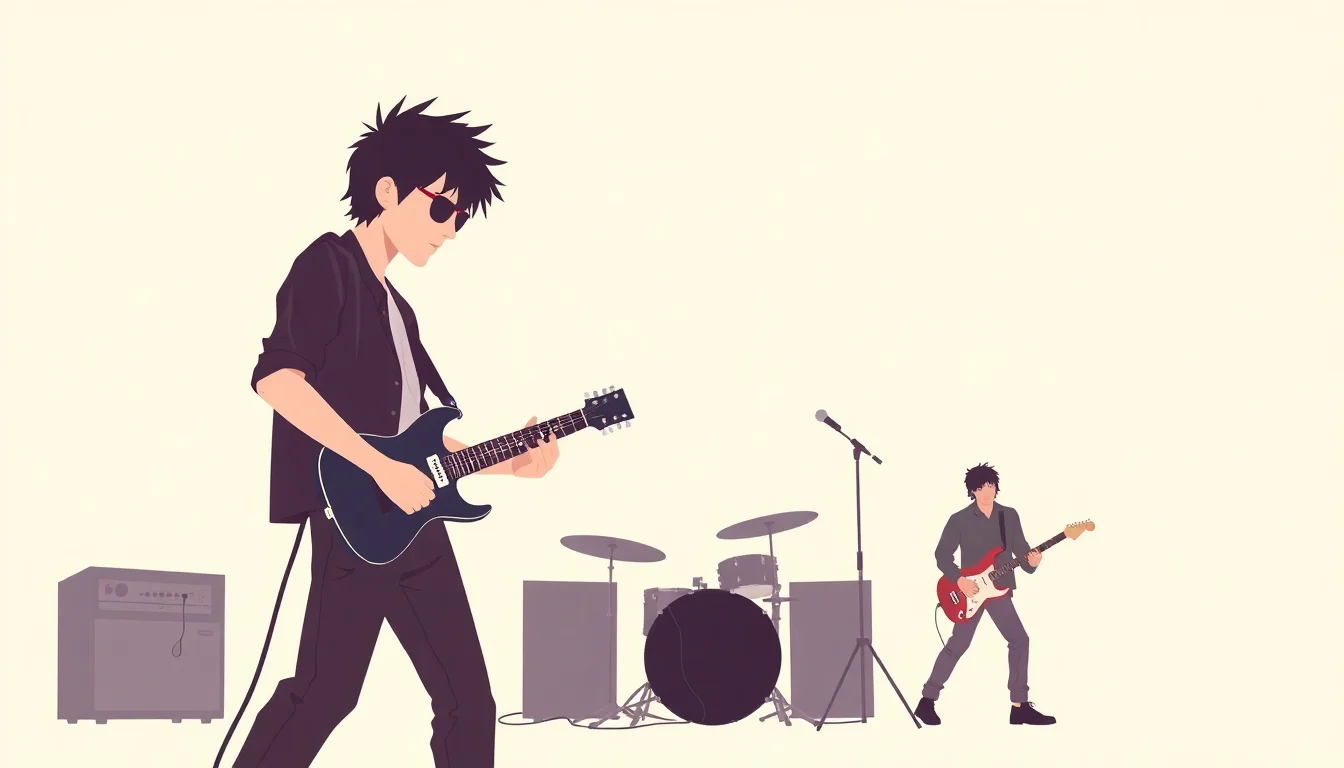
Musically, punk rock is defined by its brevity, speed, and aggression. Songs are typically short, clocking in under three minutes, with simple chord structures, driving rhythms, and often shouted or sneering vocals. The instrumentation is usually basic: guitar, bass, and drums, played with a raw, unpolished intensity. This deliberate rawness was a direct reaction against the virtuosity and complexity of much contemporary rock music, prioritizing energy and attitude over technical proficiency. The Vibe Score for raw energy in punk typically hovers around 90.
DIY Culture: The Engine of Punk
The DIY ethic is arguably the most enduring and influential aspect of punk rock. Bands self-produced and distributed their own records, booked their own shows, and created their own fanzines, bypassing the traditional music industry gatekeepers. This empowered countless musicians and artists, fostering a spirit of independence and self-reliance that has permeated various creative fields. Labels like Dischord Records and Rough Trade Records became vital hubs for this independent scene, proving that artistic integrity could thrive outside the corporate machine.
💥 Defining Moments & Landmark Releases
Several pivotal moments and releases cemented punk's place in music history. The Ramones' self-titled debut album in 1976, with its 14 songs in under 30 minutes, was a blueprint for the genre. The Sex Pistols' controversial single 'God Save the Queen' in 1977, released during the Queen's Silver Jubilee, became an anthem of British punk rebellion. The Clash's politically charged music and London Calling album demonstrated punk's potential for social commentary and musical expansion. These releases, often distributed through Independent Music Labels, had a profound impact.
🎭 Subgenres & Diversification
While the initial wave of punk was relatively homogenous, it quickly splintered into a diverse array of subgenres. Hardcore Punk, emerging in the late 70s and early 80s, pushed the speed and aggression even further with bands like Black Flag and Minor Threat. Post-Punk explored more experimental and atmospheric sounds, incorporating elements of dub and funk, as seen with Joy Division and The Cure. Other offshoots include Pop Punk, Anarcho-Punk, and Ska Punk, each adding unique flavors to the punk stew.
📍 Where to Experience Punk Today
Experiencing punk today involves seeking out live music venues that champion underground and independent artists. Many cities still have dedicated punk clubs, though the scene often thrives in smaller, DIY spaces, community centers, and even house shows. Look for local band nights, check listings for independent record stores, and follow touring punk bands online. Attending a punk show is an immersive experience, often characterized by energetic crowds and a palpable sense of community, with Vibe Scores for community engagement often exceeding 85.
💰 Punk's Economic Impact & Independence
Punk's economic model is inherently anti-corporate. Bands often rely on merchandise sales, touring revenue, and independent label releases rather than massive record deals. This approach fosters a direct connection with fans and allows artists greater creative control. While punk may not generate the same blockbuster revenues as mainstream pop, its independent spirit has proven remarkably resilient and sustainable, demonstrating a viable alternative path for artists seeking authenticity and control over their careers. The Controversy Spectrum for punk's commercial viability remains high, with debates about selling out versus surviving.
🤔 Punk's Enduring Legacy & Future
The legacy of punk rock is undeniable, extending far beyond music. Its DIY ethos has inspired countless artists, entrepreneurs, and activists across various disciplines. Punk's influence can be seen in fashion, art, film, and political movements. The genre continues to evolve, with new bands constantly reinterpreting its core tenets. The question remains: will the next generation of punks find new ways to challenge the system, or will the spirit of rebellion become just another commodified aesthetic? The Influence Flows from punk continue to ripple outwards, shaping contemporary culture in unexpected ways.
Key Facts
- Year
- 1974
- Origin
- New York City, USA & London, UK
- Category
- Music Genres
- Type
- Music Genre
Frequently Asked Questions
What are the essential punk bands for beginners?
For a solid introduction to punk rock, start with the foundational bands. The Ramones' 'Ramones' (1976) is essential for its raw energy and simplicity. The Sex Pistols' 'Never Mind the Bollocks, Here's the Sex Pistols' (1977) offers a more aggressive, politically charged sound. The Clash's 'The Clash' (1977) showcases their blend of punk with reggae and rock influences. Black Flag's 'Damaged' (1981) is a landmark of American hardcore punk. These albums provide a strong overview of punk's diverse early sounds.
Is punk rock still relevant today?
Absolutely. While its peak mainstream visibility was in the late 70s and early 80s, punk's influence is pervasive. Its DIY ethos continues to empower independent artists across all creative fields. The anti-establishment sentiment resonates with new generations facing similar societal and economic challenges. Furthermore, punk's musical DNA has been absorbed and reinterpreted by numerous genres, from Alternative Rock to modern pop, ensuring its continued relevance.
What's the difference between punk and hardcore?
Hardcore punk is a subgenre of punk rock that emerged in the late 1970s and early 1980s. It's generally faster, more aggressive, and often more politically charged than traditional punk. Hardcore bands typically feature shorter songs, shouted vocals, and a more intense, mosh-pit-friendly sound. While punk laid the groundwork, hardcore pushed the boundaries of speed and ferocity, with bands like Minor Threat and Bad Brains defining the sound.
How did punk influence fashion?
Punk fashion was a deliberate rejection of mainstream trends, emphasizing individuality and rebellion. Key elements included ripped clothing, safety pins, leather jackets adorned with studs and patches, DIY-customized garments, and provocative imagery. This anti-fashion statement became a powerful visual language for the movement, influencing subsequent styles like Goth and Grunge, and continues to be referenced in contemporary fashion.
What does 'DIY' mean in punk?
DIY stands for 'Do It Yourself.' In punk, it's a core philosophy that encourages artists and fans to create, produce, and distribute their own music, art, and media independently, bypassing traditional corporate structures. This includes self-releasing records, booking shows, creating fanzines, and designing merchandise. The DIY ethic is central to punk's anti-establishment stance and its emphasis on self-reliance and authenticity.