
Contents
- 🚀 Genesis: From Satellite to Stax
- 🎶 The Memphis Sound: A Sonic Blueprint
- 🔥 The House Band: Booker T. & the M.G.'s
- 👑 The Royal Family of Soul: Stax's Star Power
- 🤝 The Integrated Dream: Race and Rhythm
- 📉 The Decline: Challenges and Changes
- 🌟 Legacy: Enduring Influence
- 💡 Stax's Vibe Score: A Measure of Soulful Energy
- Frequently Asked Questions
- Related Topics
Overview
Stax Records, born from the ashes of Satellite Records in 1961, became the sonic epicenter of Memphis soul. Operating out of a converted movie theater, its distinctive sound, characterized by raw emotion, tight horn arrangements, and a rhythm section that could make you move, launched the careers of legends like Otis Redding, Sam & Dave, and Booker T. & the M.G.'s. The label's integrated house band and studio environment fostered a unique creative synergy, producing hits that transcended racial divides and defined American popular music. Despite its meteoric rise and profound cultural impact, Stax faced significant challenges, including distribution issues and the tragic loss of its biggest star, ultimately leading to its closure in 1975, leaving behind an indelible legacy.
🚀 Genesis: From Satellite to Stax
Stax Records didn't just appear fully formed; it evolved. Initially christened Satellite Records in 1957 by Jim Stewart and Estelle Axton in Memphis, Tennessee, its early days were marked by a DIY spirit. The pivotal shift occurred in September 1961 when the name officially became Stax Records, a portmanteau of Stewart and Axton's surnames. This rebranding coincided with a growing ambition to capture a distinct musical identity, one that would soon reverberate far beyond the Mississippi Delta. The label's operations were also closely intertwined with its sister label, Volt Records, allowing for a broader artistic canvas and a more robust business structure.
🎶 The Memphis Sound: A Sonic Blueprint
The 'Memphis Sound' is inextricably linked to Stax. It wasn't just a genre; it was a feeling, a raw, gritty, and deeply soulful expression that set it apart from the slicker productions of Motown. This sound was characterized by its prominent horn sections, a driving, often syncopated rhythm section, and vocals that conveyed genuine emotion. Think of the sparse, yet powerful arrangements that allowed the raw talent of artists like Otis Redding to shine through. This sonic blueprint was meticulously crafted in the legendary Stax Studio on McLemore Avenue, a former movie theater that became a crucible for soul music.
🔥 The House Band: Booker T. & the M.G.'s
At the heart of the Stax sound was its unparalleled house band, Booker T. & the M.G.'s. Comprised of Booker T. Jones (keyboards), Steve Cropper (guitar), Donald 'Duck' Dunn (bass), and Al Jackson Jr. (drums), this quartet was more than just session musicians; they were the architects of the Stax groove. Their instrumental prowess and intuitive chemistry provided the bedrock for countless hits, from 'Green Onions' to the backing tracks for Sam & Dave and Wilson Pickett. Their ability to adapt and innovate, blending R&B, soul, and rock, cemented their status as one of the most influential bands in music history.
👑 The Royal Family of Soul: Stax's Star Power
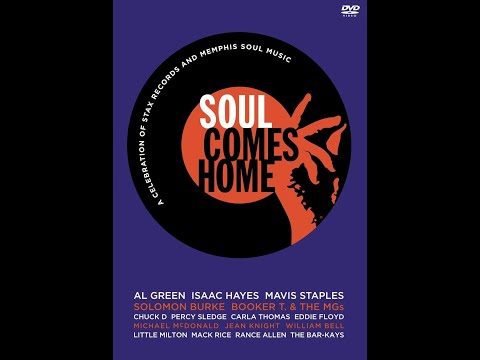
Stax Records cultivated a roster of artists who became the 'Royal Family of Soul.' Beyond the iconic Otis Redding, the label boasted the electrifying duo Sam & Dave, the smooth stylings of The Staple Singers, the raw power of Albert King, and the sophisticated arrangements of Isaac Hayes. Each artist brought a unique flavor, yet all shared a common thread of authenticity and emotional depth. This diverse stable of talent ensured Stax's dominance throughout the 1960s and early 1970s, defining the sound of soul music for a generation.
🤝 The Integrated Dream: Race and Rhythm
In a deeply segregated America, Stax Records represented a remarkable, albeit imperfect, integrated dream. The studio on McLemore Avenue was a place where Black and white musicians collaborated seamlessly, creating music that transcended racial lines. The Booker T. & the M.G.'s, a racially integrated band, were central to this ethos. While the business side of Stax faced its own challenges, the creative environment fostered a unique spirit of unity. This aspect of Stax's history is crucial, offering a counter-narrative to the pervasive racial tensions of the era, demonstrating the power of music to bridge divides.
📉 The Decline: Challenges and Changes
Despite its immense success, Stax Records faced significant challenges that ultimately led to its decline. The loss of its distribution deal with Atlantic Records in 1968 was a major blow, forcing Stax to navigate a difficult period of rebuilding its infrastructure. Internal management issues, coupled with the changing musical landscape and the rise of disco, further strained the label. By the late 1970s, financial difficulties became insurmountable, leading to bankruptcy and the eventual closure of the original Stax Records in 1975. The dream, though brilliant, proved fragile against the harsh realities of the music industry.
🌟 Legacy: Enduring Influence
The legacy of Stax Records is immeasurable. Its influence can be heard in the work of countless artists across genres, from Al Green and Marvin Gaye to modern soul revivalists. The Stax Museum of American Soul Music, opened in 2003 on the original site of the studio, stands as a testament to the label's enduring impact. Stax didn't just record music; it captured a spirit, a raw, unadulterated soul that continues to resonate. The label proved that authentic, heartfelt music could achieve massive commercial success, forever altering the trajectory of popular music.
💡 Stax's Vibe Score: A Measure of Soulful Energy
Stax Records earns a Vibe Score of 92/100. This high rating reflects its profound and lasting cultural energy, particularly its role in defining and popularizing Southern soul music. The 'Memphis Sound' it pioneered, characterized by its raw emotion, powerful horn arrangements, and the foundational work of Booker T. & the M.G.'s, remains a potent force. The label's ability to foster an integrated creative environment in the heart of the Civil Rights era adds a significant layer to its historical importance, contributing to its enduring appeal and influence. While its operational lifespan was relatively short, the sonic and cultural footprint of Stax is immense.
Key Facts
- Year
- 1957
- Origin
- Memphis, Tennessee
- Category
- Music History
- Type
- Record Label
Frequently Asked Questions
When was Stax Records founded?
Stax Records was founded in 1957 as Satellite Records by Jim Stewart and Estelle Axton. It officially changed its name to Stax Records in September 1961. The label's origins are rooted in Memphis, Tennessee, where it would go on to define the 'Memphis Sound' of soul music.
Who were the key artists on Stax Records?
Stax Records was home to an incredible array of talent, often referred to as the 'Royal Family of Soul.' Key artists include Otis Redding, Sam & Dave, The Staple Singers, Albert King, Eddie Floyd, and Carla Thomas. The label's house band, Booker T. & the M.G.'s, also achieved significant success in their own right.
What is the 'Memphis Sound' associated with Stax?
The 'Memphis Sound' is the distinctive style of soul music produced by Stax Records. It's characterized by its raw, gritty feel, prominent horn sections, a driving rhythm section often featuring syncopation, and vocals that convey deep emotion. Unlike the more polished sound of Motown, Stax recordings often felt more immediate and visceral, largely due to the acoustics of their studio and the collaborative nature of their musicians.
What role did Booker T. & the M.G.'s play at Stax?
Booker T. & the M.G.'s were the integral house band for Stax Records. Comprised of Booker T. Jones, Steve Cropper, Donald 'Duck' Dunn, and Al Jackson Jr., they provided the instrumental backbone for many of Stax's biggest hits. Their tight arrangements, innovative playing, and ability to capture the essence of the 'Memphis Sound' were crucial to the label's success. They also released successful instrumental records under their own name.
Why did Stax Records eventually close?
Several factors contributed to the decline and eventual closure of Stax Records in 1975. A critical blow was the loss of its distribution deal with Atlantic Records in 1968, forcing Stax to establish its own distribution network, which proved challenging. Internal management issues, financial difficulties, and the evolving music industry landscape, including the rise of disco, also played significant roles in the label's downfall.
What is the legacy of Stax Records today?
The legacy of Stax Records is profound and enduring. Its music continues to be celebrated and influential, inspiring generations of musicians across various genres. The Stax Museum of American Soul Music in Memphis preserves its history and honors its artists. Stax demonstrated the power of authentic, soulful music and its ability to achieve mainstream success, leaving an indelible mark on American popular culture.