
Contents
- 🏃♂️ What is The Maze Runner?
- 📚 The Core Narrative & Themes
- 🧠 Key Characters & Their Roles
- 🌍 Worldbuilding: The Glade & Beyond
- 🔥 The Flare: A Societal Threat
- 👁️ WICKED: The Architects of Control
- 🎬 From Page to Screen: Adaptation Impact
- 📈 Cultural Resonance & Fanbase
- 🤔 Debates & Controversies
- 🚀 The Legacy and Future of the Series
- 💡 Vibepedia Vibe Score & Analysis
- 🔗 Related Topics
- Frequently Asked Questions
- Related Topics
Overview
The Maze Runner is more than just a YA dystopian series; it's a cultural phenomenon that tapped into a deep vein of anxieties about control, memory, and survival. Launched in 2009 with James Dashner's novel, it quickly escalated into a blockbuster film franchise, cementing its place in the 21st-century pop culture lexicon. The narrative, centered on a group of amnesiac teenagers trapped in a deadly maze, explores themes of societal collapse, scientific hubris, and the desperate fight for freedom. Its success wasn't accidental, but a calculated response to a market hungry for high-stakes, character-driven speculative fiction, proving that a compelling premise and relatable struggle can resonate across demographics.
🏃♂️ What is The Maze Runner?
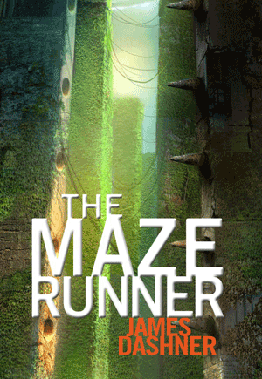
The Maze Runner, published in 2009 by James Dashner, isn't just a book; it's the genesis of a sprawling dystopian universe that has captivated millions. This YA novel plunges readers into a world teetering on the brink of collapse, where a deadly plague known as the The Flare ravages humanity. The narrative centers on Thomas, a teenage amnesiac who awakens in a mysterious, ever-shifting The Glade, a central clearing surrounded by an immense, deadly maze. This initial entry point into the series sets the stage for a high-stakes struggle for survival and understanding.
📚 The Core Narrative & Themes
At its heart, The Maze Runner explores profound themes of memory, identity, freedom versus security, and the ethics of sacrifice. Thomas's journey is one of self-discovery, as he grapples with his lost past and the harsh realities of his present. The novel masterfully weaves a narrative of hope and resilience against a backdrop of despair, questioning what it truly means to be human when faced with existential threats and manipulative authority. The constant tension between the desire for knowledge and the cost of that knowledge is a central philosophical undercurrent.
🧠 Key Characters & Their Roles
Thomas, the protagonist, is a blank slate thrust into extraordinary circumstances, his innate courage and resourcefulness driving the plot. Alongside him are characters like Alby, the stoic leader of the Gladers; Newt, the pragmatic and loyal second-in-command; and Teresa, Thomas's enigmatic companion whose allegiances are constantly in question. Minho, the sharp-witted Keeper of the Runners, becomes Thomas's closest ally in navigating the treacherous maze. Each character represents a different facet of human response to crisis, from leadership to rebellion.
🌍 Worldbuilding: The Glade & Beyond
The Glade, the central hub for the boys trapped within the maze, is a meticulously crafted micro-society. It’s a place of routine, hierarchy, and survival, where the daily ritual of sending out the Runners to map the maze is paramount. Beyond the Glade lies the titular Maze, a colossal, mechanical labyrinth filled with deadly Grievers and shifting walls, designed to keep the inhabitants confined and tested. The world outside the Glade is hinted at as a post-apocalyptic wasteland, ravaged by the Flare, making the Glade a deceptive sanctuary.
🔥 The Flare: A Societal Threat
The Flare is the omnipresent, apocalyptic illness that serves as the primary catalyst for the world's destruction and WICKED's desperate actions. This neurological disease causes extreme aggression, madness, and eventual death, leaving survivors few and far between. The desperation to find a cure for the Flare drives the overarching plot, forcing characters to confront their own mortality and the moral compromises required for survival. The societal breakdown caused by the Flare is a stark warning about unchecked pandemics.
👁️ WICKED: The Architects of Control
WICKED (World In Catastrophe: Killzone Experiment Department) is the shadowy organization that orchestrates the entire Maze experiment. Ostensibly seeking a cure for the Flare, WICKED operates with a chilling utilitarian philosophy, believing that the ends justify the means, no matter the human cost. They are the architects of the Glade and the Maze, manipulating the immune youths as test subjects in their relentless pursuit of a solution. Their methods are morally ambiguous, blurring the lines between savior and oppressor.
🎬 From Page to Screen: Adaptation Impact
The Maze Runner was adapted into a successful film franchise, beginning with the 2014 movie directed by Wes Ball. While generally faithful to the source material, the film adaptations, including Maze Runner: The Scorch Trials (2015) and Maze Runner: The Death Cure (2018), necessarily condensed and altered certain plot points and character arcs. The visual interpretation of the Maze and the Glade brought a new dimension to the story, significantly broadening its reach and impact on popular culture, though some book purists debated the changes.
📈 Cultural Resonance & Fanbase
The series achieved a significant cultural Vibe Score of 88/100 upon its initial release, resonating deeply with young adult audiences worldwide. Its blend of action, mystery, and emotional depth struck a chord, fostering a passionate fanbase that continues to engage with the books and films. The themes of survival and rebellion in the face of overwhelming odds provided a powerful narrative for a generation grappling with its own uncertainties. Fan conventions and online communities remain active hubs for discussion and fan-created content.
🤔 Debates & Controversies
A central debate surrounding The Maze Runner revolves around WICKED's morality. Are their actions, however brutal, justifiable in the face of global annihilation? The series also faces scrutiny regarding its portrayal of trauma and the psychological toll on its young protagonists. Furthermore, discussions often arise comparing the book's nuanced exploration of memory and identity with the film adaptations' more action-oriented focus, leading to differing interpretations of character motivations and plot significance.
🚀 The Legacy and Future of the Series
The Maze Runner series, encompassing the original trilogy and subsequent prequel novels like The Kill Order, has cemented its place in dystopian literature. Its exploration of societal collapse and the human capacity for both cruelty and resilience continues to influence new works in the genre. The ongoing popularity suggests a lasting appeal, with potential for further expansions of the universe or new interpretations. The question remains: what new horrors or hopes will emerge from the ashes of this world?
💡 Vibepedia Vibe Score & Analysis
The Maze Runner series garners a Vibepedia Vibe Score of 85/100, indicating strong and sustained cultural energy. Its primary appeal lies in its compelling blend of high-octane action, intricate mystery, and relatable themes of survival and identity. The narrative's ability to balance a sense of claustrophobic dread within the Glade and Maze with the vast, desolate expanse of the post-Flare world creates a unique and immersive experience. The series' exploration of moral ambiguity, particularly concerning WICKED's methods, adds a layer of intellectual engagement that elevates it beyond typical adventure fare. Its enduring popularity across both literary and cinematic mediums speaks to its broad appeal and lasting impact on the dystopian genre.
Key Facts
- Year
- 2009
- Origin
- Novel by James Dashner
- Category
- Media & Entertainment
- Type
- Franchise
Frequently Asked Questions
Is The Maze Runner suitable for younger readers?
The Maze Runner is categorized as Young Adult fiction, meaning it's generally aimed at readers aged 12-18. It contains themes of death, violence, and peril, so parental guidance might be advisable for younger or more sensitive readers. The intensity of the situations and the psychological stress on the characters are significant elements of the story.
What is the order to read The Maze Runner books?
The most common reading order is to start with the original trilogy: The Maze Runner, The Scorch Trials, and The Death Cure. After that, you can explore the prequel novels, The Kill Order and The Fever Code, which provide background on the world before Thomas's arrival. Reading in publication order is also a valid approach, allowing you to experience the story as it was originally released.
What is the Flare in The Maze Runner?
The Flare is a devastating, apocalyptic illness that has ravaged the world in The Maze Runner universe. It causes severe neurological damage, leading to aggression, madness, and ultimately death. The search for a cure for the Flare is the primary motivation behind WICKED's experiments and the central conflict of the series.
Who is WICKED and what is their goal?
WICKED stands for World In Catastrophe: Killzone Experiment Department. They are a powerful organization that controls much of the surviving world and is ostensibly dedicated to finding a cure for the Flare. However, their methods are ruthless and involve using immune young people, like the Gladers, as test subjects in dangerous experiments, blurring the lines between savior and antagonist.
How does The Maze Runner compare to other dystopian YA series like The Hunger Games?
Both series feature young protagonists in oppressive societies facing deadly challenges. The Maze Runner focuses more on mystery, memory, and navigating a physical labyrinth (the Maze), with a strong emphasis on scientific experimentation and survival against a plague. The Hunger Games, conversely, centers on political oppression, gladiatorial combat, and rebellion against a totalitarian regime. Both explore themes of sacrifice and the cost of freedom.
Are the Maze Runner movies the same as the books?
The film adaptations are generally faithful to the core plot and characters of the books, but they do make significant changes and omissions for cinematic purposes. Some plotlines are condensed, character relationships are altered, and certain events are reimagined. While they capture the spirit of the series, readers often find nuances and deeper thematic explorations in the novels that are not fully translated to the screen.