
Contents
- 🏛️ The Smithsonian Spectacle: More Than Just Museums
- 🎭 Performance Powerhouses: From Classics to Contemporary
- 🖼️ Galleries Beyond the Mall: Discovering Hidden Gems
- 🏛️ Monumental History: Icons That Define the City
- 🎶 Live Music & Nightlife: The City's Rhythmic Pulse
- 📚 Literary Haunts & Intellectual Hubs
- 📍 Location & Access: Navigating the Cultural Landscape
- 💰 Pricing & Plans: Budgeting Your Cultural Immersion
- ⭐ What People Say: A Vibe Check on DC's Culture
- 💡 Practical Tips for the Savvy Explorer
- 🚀 Getting Started: Your DC Cultural Itinerary
- Frequently Asked Questions
- Related Topics
Overview
Washington D.C. is synonymous with the Smithsonian Institution, a sprawling complex of 19 museums and galleries, most of which offer free admission. The sheer volume is staggering, from the National Museum of Natural History's iconic Hope Diamond to the National Air and Space Museum's awe-inspiring collection of aviation history. Don't overlook the National Portrait Gallery and the Smithsonian American Art Museum, often overshadowed but brimming with compelling works. Each institution offers a distinct lens through which to view American history, science, and art, making it easy to spend days, if not weeks, exploring.
🎭 Performance Powerhouses: From Classics to Contemporary
Beyond the visual arts, D.C. boasts a vibrant performing arts scene. The John F. Kennedy Center for the Performing Arts is the undisputed heavyweight, hosting everything from the National Symphony Orchestra to touring Broadway shows and international dance troupes. For a more intimate experience, check out the Shakespeare Theatre Company for masterful interpretations of the Bard, or the Arena Stage for compelling new American plays. The city's theaters consistently deliver high-caliber productions that rival those found in any major cultural capital.
🏛️ Monumental History: Icons That Define the City
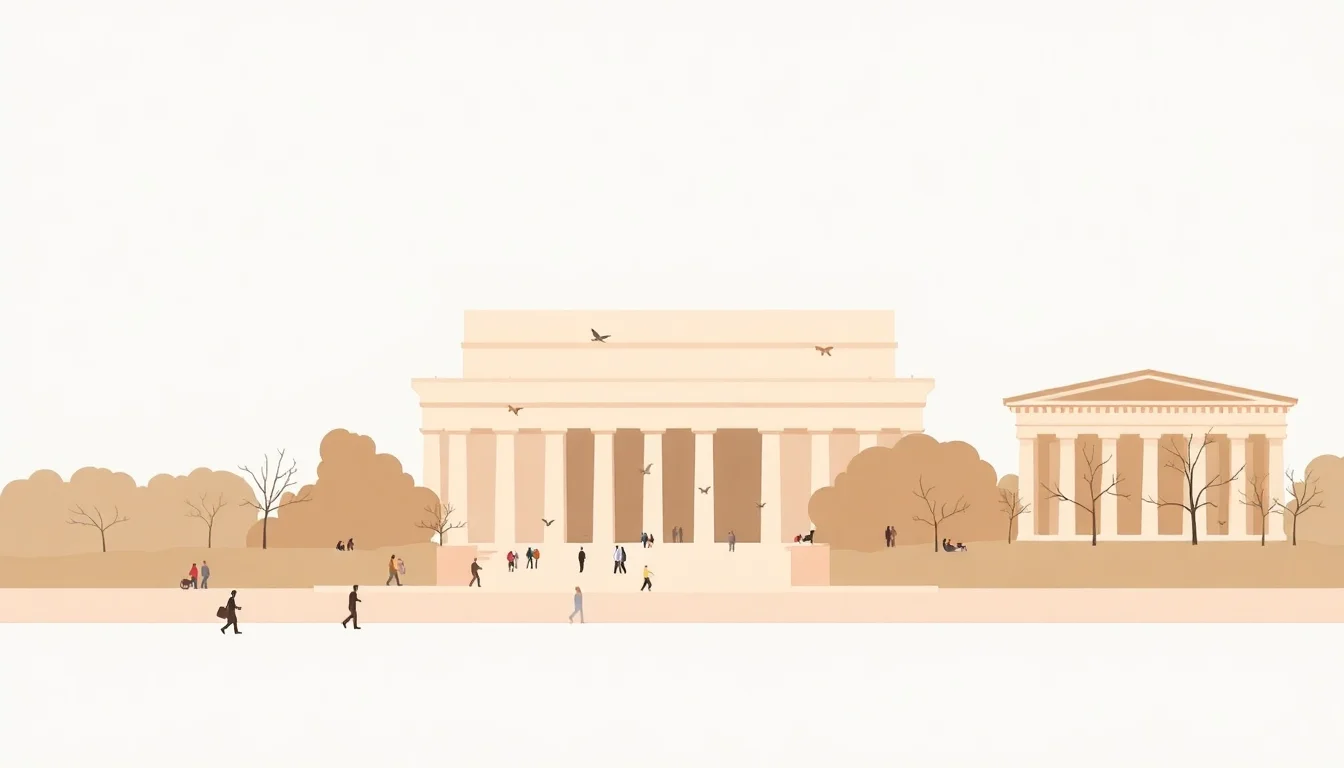
No exploration of D.C. is complete without acknowledging its monumental architecture and memorials. The Lincoln Memorial and the Washington Monument are more than just tourist stops; they are powerful symbols of American ideals and history, often serving as backdrops for protests and celebrations. The National World War II Memorial and the Martin Luther King, Jr. Memorial offer poignant reflections on sacrifice and civil rights. These sites are not merely structures but active participants in the nation's ongoing narrative, their Vibe Score often spiking during significant national events.
🎶 Live Music & Nightlife: The City's Rhythmic Pulse
D.C.'s nightlife pulses with a diverse rhythm, extending beyond political after-hours. U Street Corridor, historically known as 'Black Broadway,' still buzzes with live music venues like 9:30 Club, a legendary spot for rock and indie acts. For jazz aficionados, Blues Alley is an institution, having hosted legends for decades. The city also offers a burgeoning craft cocktail scene and numerous rooftop bars with stunning views, providing a sophisticated counterpoint to the historical gravitas of its daytime attractions.
📚 Literary Haunts & Intellectual Hubs
D.C. is a city that values its intellectual heritage. The Library of Congress, the nation's oldest federal cultural institution, is a breathtaking architectural marvel and a treasure trove of human knowledge, housing over 170 million items. Its Great Hall alone is worth the visit. For those interested in the written word, the Folger Shakespeare Library holds one of the world's most comprehensive collections of Shakespearean and early modern English drama. These institutions serve as vital hubs for research, public programming, and the preservation of our collective intellectual legacy.
💰 Pricing & Plans: Budgeting Your Cultural Immersion
The vast majority of Smithsonian museums and galleries offer free admission, a significant draw for budget-conscious travelers. However, special exhibitions within these institutions may carry a fee. For ticketed venues like the Kennedy Center or smaller theaters, prices vary widely depending on the performance and seating. Expect to pay anywhere from $20 for a local play to $150+ for a major Broadway production or opera. Many museums offer free guided tours, which can enhance your experience without additional cost.
⭐ What People Say: A Vibe Check on DC's Culture
D.C.'s cultural scene generally scores high on the Vibe Score for its historical significance and educational value, particularly among history buffs and families. Skeptics might point to the perceived formality of some institutions or the sheer scale, which can feel overwhelming. Enthusiasts rave about the accessibility of world-class art and history for free. The Contrarion perspective might argue that the focus on federal institutions overshadows more dynamic, grassroots cultural movements. The overall consensus is that D.C. offers an unparalleled depth of cultural experiences, though navigating it requires strategic planning.
💡 Practical Tips for the Savvy Explorer
To maximize your cultural immersion, plan your visits strategically. Many museums have specific themes or collections that might appeal more to certain interests; check their websites for current exhibitions. For popular spots like the National Museum of American History, arriving early, especially on weekends, is crucial to avoid crowds. Consider purchasing tickets for performances in advance, as popular shows sell out quickly. Don't underestimate the power of simply wandering; often, the most memorable discoveries are serendipitous.
🚀 Getting Started: Your DC Cultural Itinerary
Begin by identifying your primary interests – be it art, history, science, or performance. Consult the official websites for the Smithsonian Institution and the DC Arts and Humanities Education Program for comprehensive listings and event schedules. For a curated experience, look into guided tours offered by individual museums or third-party operators. If you're planning a multi-day visit, consider purchasing a Washington DC CityPASS if it aligns with your intended attractions, though many key sites are free. Start by mapping out 2-3 must-see institutions or performances and build your itinerary from there.
Key Facts
- Year
- 1790
- Origin
- Established as the nation's capital, D.C. has systematically attracted and fostered cultural institutions reflecting American identity and global influence.
- Category
- Arts & Culture
- Type
- Attraction Category
Frequently Asked Questions
What are the absolute must-see Smithsonian museums?
For a first-time visitor, the National Museum of Natural History, the National Air and Space Museum, and the National Museum of American History are generally considered essential. The National Gallery of Art is also a top-tier choice for art lovers. However, 'must-see' is subjective; explore the full list and pick based on your personal interests.
Are there any cultural attractions that are particularly good for families?
Absolutely. The National Museum of Natural History with its dinosaur skeletons and ocean hall, the National Air and Space Museum with its interactive exhibits, and the National Children's Museum are fantastic for younger visitors. Many of the outdoor memorials are also engaging for children to explore.
How much time should I allocate for visiting the Smithsonian museums?
Each major Smithsonian museum can easily take 3-4 hours to explore thoroughly. If you plan to visit multiple museums on the National Mall, it's wise to dedicate at least a full day, if not two or three, to the Smithsonian complex alone. Prioritize which ones are most important to you to avoid museum fatigue.
What's the best way to get around to different cultural attractions?
The Metrorail system is efficient for reaching areas further afield. For attractions along the National Mall, the DC Circulator bus is an excellent and affordable option. Walking is also highly recommended for appreciating the city's architecture and atmosphere between nearby sites.
Are there any cultural events or festivals happening year-round?
D.C. hosts numerous events throughout the year. The National Cherry Blossom Festival in spring and Smithsonian Folklife Festival in summer are major highlights. Keep an eye on event calendars for the John F. Kennedy Center for the Performing Arts and local venues for concerts, theater performances, and special exhibitions that occur regularly.
Can I visit the White House or Capitol Building as part of a cultural tour?
Yes, but these require advance planning. Tours of the White House and the United States Capitol are free but must be requested through your Member of Congress (for the Capitol) or submitted via the White House Tours & Tickets website well in advance. They are popular and often booked months ahead.