
Contents
Overview
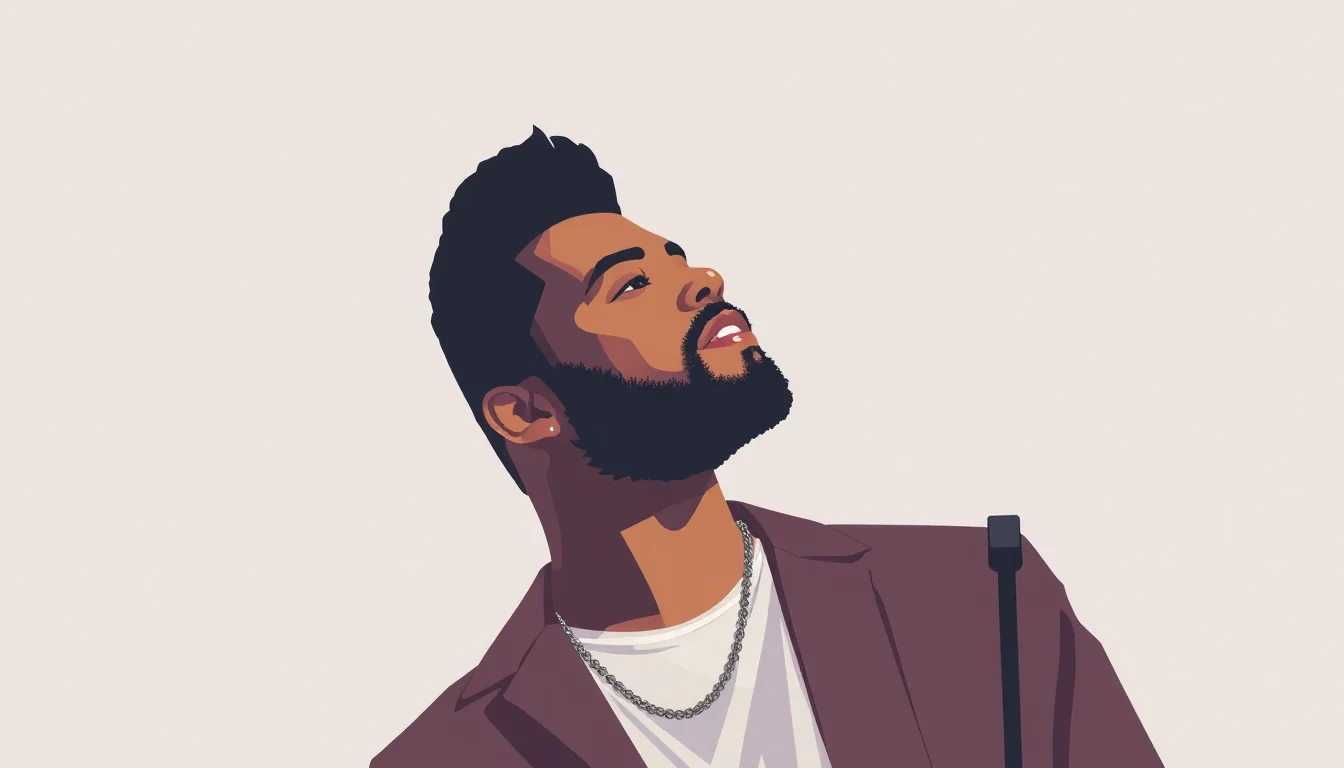
Abel Tesfaye, globally known as The Weeknd, emerged from the shadows of Toronto's underground scene in 2010, initially gaining traction through enigmatic mixtapes like House of Balloons. His early work, characterized by a dark, atmospheric R&B sound, introspective lyrics exploring themes of hedonism, alienation, and excess, and a deliberate lack of public persona, immediately set him apart. This mysterious aura, coupled with a distinctive vocal style that blends falsetto with raw emotional delivery, fueled a rapid ascent, culminating in his major-label debut and a string of critically acclaimed projects that have redefined contemporary pop and R&B.
Across his career, Tesfaye has masterfully navigated the evolving music industry, consistently reinventing his sonic palette while maintaining a core artistic identity. From the gritty introspection of his early EPs to the stadium-filling synth-pop anthems of albums like After Hours and Dawn FM, he has demonstrated a keen understanding of musical trends and a willingness to push boundaries. This adaptability, combined with a relentless work ethic and a strategic approach to visual storytelling and music video production, has cemented his status as one of the most commercially successful and culturally impactful artists of the 21st century, boasting billions of streams and numerous chart-topping hits.
Early Life & Musical Genesis
Born Abel Makkonen Tesfaye on February 16, 1990, in Toronto, Ontario, his early life was marked by hardship and a search for identity. Raised by his Ethiopian immigrant mother, Tesfaye has spoken about a challenging upbringing in the Scarborough district, which significantly influenced his lyrical content. His musical journey began in earnest in the late 2000s, initially experimenting with different sounds and collaborations. The pivotal moment arrived in 2010 with the anonymous upload of "What You Need" to YouTube, followed by the release of the House of Balloons mixtape in 2011. This era, often referred to as the "Trilogy" period, was instrumental in building his cult following, characterized by a lo-fi, drug-fueled aesthetic that owed debts to Michael Jackson, Prince, and Drake's early work, but with a distinctly darker, more nihilistic edge.
Career & Discography Evolution
Tesfaye's official debut album, Kiss Land, released in 2013, expanded on his signature sound, though it received a more mixed critical reception. The true breakthrough came with Beauty Behind the Madness (2015), which saw him embrace a more accessible, pop-oriented sound while retaining his thematic depth. The album spawned massive hits like "Can't Feel My Face" and "The Hills," earning him critical acclaim and widespread commercial success. He continued this trajectory with Starboy (2016), a more polished and ambitious project featuring collaborations with Daft Punk and Kendrick Lamar, further solidifying his global superstardom. His later works, After Hours (2020) and Dawn FM (2022), saw him dive headfirst into '80s-inspired synth-pop and new wave aesthetics, earning widespread critical praise and achieving record-breaking chart success, particularly with the single "Blinding Lights."
Legacy & Sonic Influence
The Weeknd's legacy is multifaceted. He is credited with pioneering a new wave of dark, atmospheric R&B that paved the way for numerous artists. His ability to seamlessly blend genres, from trap and hip-hop to new wave and pop, has made him a unique force in contemporary music. Tesfaye's artistic evolution, from the enigmatic mixtape artist to a global pop icon, serves as a blueprint for artists seeking to maintain artistic integrity while achieving mainstream success. His influence can be seen in the sonic choices and thematic explorations of artists like PARTYNEXTDOOR, dvsn, and 6lack, among others.
Cultural Impact & Visual Artistry
Beyond his musical output, Tesfaye has cultivated a significant cultural impact through his visual artistry, fashion choices, and ambitious live performances. He has consistently used music videos as narrative extensions of his albums, creating cohesive visual worlds for projects like After Hours. His Super Bowl LV Halftime Show performance in 2021 was a testament to his global reach and ability to command massive audiences. Furthermore, Tesfaye's critical and commercial success has challenged traditional notions of genre boundaries in mainstream music, proving that artists can achieve immense popularity while exploring complex, often dark, lyrical themes. He has also become a prominent voice in discussions surrounding mental health and addiction within the music industry.
Key Facts
- Year
- 1990
- Origin
- Toronto, Ontario, Canada
- Category
- music
- Type
- artist
Frequently Asked Questions
Who is The Weeknd?
The Weeknd is the stage name of Abel Tesfaye, a Grammy Award-winning Canadian singer, songwriter, and producer known for his unique blend of R&B, pop, and electronic music.
What are The Weeknd's biggest hits?
Some of his most popular songs include 'Blinding Lights,' 'Can't Feel My Face,' 'The Hills,' 'Starboy,' and 'Save Your Tears'.
What are the main themes in The Weeknd's music?
His music frequently explores themes of hedonism, alienation, drugs, fame, love, and existentialism, often delivered with a dark and melancholic tone.
Which albums are considered The Weeknd's most influential?
His early mixtapes like 'House of Balloons' are highly influential for their groundbreaking sound, while albums like 'Beauty Behind the Madness,' 'Starboy,' and 'After Hours' represent his commercial peak and artistic evolution.