
Contents
- 🏔️ Introduction to the Alps
- 🌄 Geography and Climate of the Alps
- 🏃♂️ Outdoor Activities in the Alps
- 🏔️ Alpine Countries and Cultures
- 🚡 Transportation and Infrastructure in the Alps
- 🏞️ Environmental Concerns and Conservation Efforts
- 📊 Economic Impact of the Alps
- 📸 Tourism and Popular Destinations in the Alps
- 🌟 Unique Features and Landmarks of the Alps
- 📚 History and Geology of the Alps
- 👥 Alpine Communities and Traditions
- 🔮 Future Challenges and Opportunities for the Alps
- Frequently Asked Questions
- Related Topics
Overview
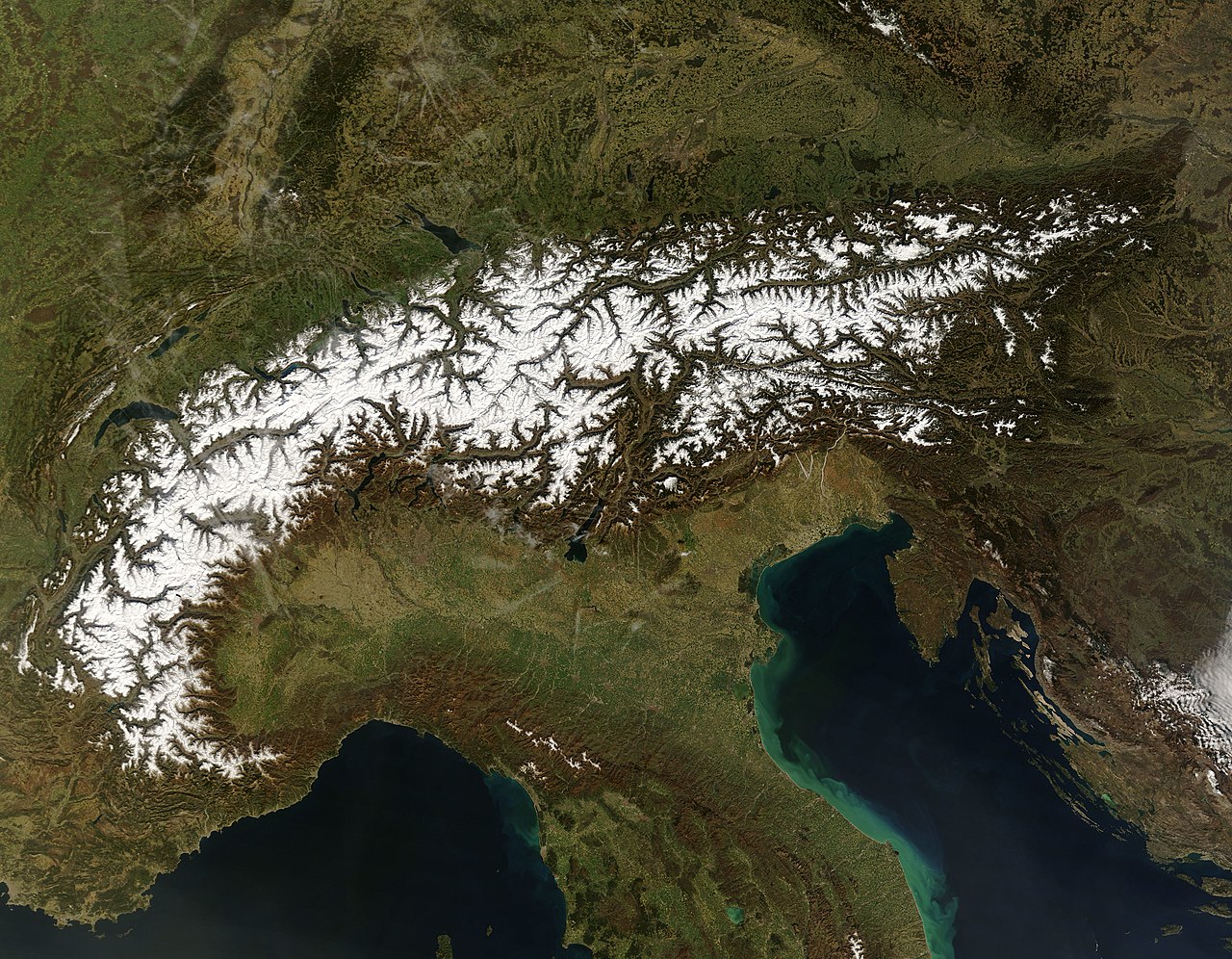
The Alps, stretching across eight European countries, are a mountain range of breathtaking beauty and immense cultural significance, with a rich history dating back to the Mesolithic era. The region is home to some of the most prestigious ski resorts in the world, including Chamonix, Zermatt, and St. Moritz, attracting millions of tourists each year. However, the Alps also face numerous environmental challenges, such as climate change, deforestation, and pollution, which threaten the delicate ecosystem and biodiversity of the region. According to a report by the European Environment Agency, the Alps are warming at a rate twice as fast as the global average, with potentially devastating consequences for the region's glaciers, forests, and wildlife. The Alps have also been shaped by human activity, with the region being home to a diverse range of languages, cultures, and traditions, including the iconic Swiss watchmaking industry and the vibrant city of Innsbruck, which has hosted the Winter Olympics twice. As the region continues to evolve and face new challenges, it is essential to consider the complex interplay between human activity, environmental concerns, and cultural heritage in the Alps, with a vibe score of 82, reflecting the region's enduring appeal and cultural significance.
🏔️ Introduction to the Alps
The Alps are a mountain range like no other, stretching approximately 1,200 km (750 mi) across several Alpine countries, including Monaco, France, Switzerland, Italy, Liechtenstein, Germany, Austria, and Slovenia. This vast and complex range is home to some of the highest peaks in Europe, including Mont Blanc, the highest peak in the Alps. The Alps have been shaped by millions of years of geological activity, including tectonic plate movement and glaciation. The unique combination of geography and climate in the Alps has created a diverse range of ecosystems, including alpine meadows and subalpine forests.
🌄 Geography and Climate of the Alps
The geography and climate of the Alps are characterized by extreme variability, with snowfall and avalanches common in the higher elevations. The Alps are also home to numerous rivers, including the Rhine River and the Po River, which have played a crucial role in shaping the landscape. The climate in the Alps is influenced by the Atlantic Oscillation and the North Atlantic Oscillation, which can lead to significant variations in temperature and precipitation. The Alps are also home to a wide range of flora and fauna, including ibex and chamois. The alpine ecosystem is fragile and sensitive to changes in climate and human activity.
🏃♂️ Outdoor Activities in the Alps
The Alps offer a wide range of outdoor activities, including hiking, skiing, and mountain biking. The Alps are home to some of the most famous ski resorts in the world, including Chamonix and Zermatt. The Alps are also a popular destination for rock climbing and ice climbing, with numerous routes and challenges for climbers of all levels. The via ferrata routes in the Alps offer a unique and exciting way to experience the mountains. The Alps are also home to numerous national parks and protected areas, including the Gran Paradiso National Park and the Swiss National Park.
🏔️ Alpine Countries and Cultures
The Alpine countries have a rich and diverse cultural heritage, with a strong emphasis on tradition and community. The Alps are home to numerous festivals and events, including the Unspunnenfest and the Alpine Games. The alpine cuisine is hearty and flavorful, with popular dishes including fondue and raclette. The Alps are also home to a wide range of crafts and artisanal products, including woodcarving and textiles. The alpine architecture is characterized by traditional chalets and farmhouses.
🚡 Transportation and Infrastructure in the Alps
The transportation and infrastructure in the Alps are well-developed, with numerous highways, railways, and airports. The European Union has invested heavily in the development of transportation infrastructure in the Alps, including the Gotthard Base Tunnel and the Brenner Basistunnel. The Alps are also home to numerous cable cars and funiculars, which provide access to remote areas and offer stunning views of the surrounding landscape. The alpine transportation system is designed to minimize the impact on the environment and preserve the natural beauty of the Alps.
🏞️ Environmental Concerns and Conservation Efforts
The Alps are facing numerous environmental challenges, including climate change, pollution, and over-tourism. The alpine environment is fragile and sensitive to changes in climate and human activity. The alpine ecosystem is under threat from invasive species and habitat destruction. The alpine conservation efforts are focused on protecting the natural beauty and biodiversity of the Alps. The European Union has implemented numerous policies and initiatives to protect the Alps, including the Alpine Convention.
📊 Economic Impact of the Alps
The Alps have a significant economic impact, with tourism being a major contributor to the local economy. The Alps are home to numerous ski resorts, hotels, and restaurants, which provide employment and revenue for local communities. The alpine agriculture is also an important sector, with numerous farms and dairies producing high-quality products. The alpine industry is focused on sustainable and environmentally-friendly practices, with a strong emphasis on renewable energy and sustainable tourism.
📸 Tourism and Popular Destinations in the Alps
The Alps are a popular destination for tourists, with numerous attractions and activities to enjoy. The Mont Blanc is a must-visit destination, with stunning views and challenging hiking trails. The Jungfraujoch is another popular destination, with breathtaking views of the surrounding landscape. The alpine lakes, including Lake Geneva and Lake Como, offer a serene and peaceful atmosphere. The alpine cities, including Geneva and Innsbruck, offer a rich cultural heritage and a wide range of amenities.
🌟 Unique Features and Landmarks of the Alps
The Alps are home to numerous unique features and landmarks, including the Matterhorn and the Eiger. The alpine glaciers are a popular destination for hiking and climbing. The alpine caves offer a fascinating glimpse into the geological history of the Alps. The alpine waterfalls are a breathtaking sight, with numerous hiking trails and viewpoints to enjoy. The alpine landmarks are a testament to the natural beauty and diversity of the Alps.
📚 History and Geology of the Alps
The history and geology of the Alps are complex and fascinating, with numerous fossils and rock formations to explore. The alpine geology is characterized by numerous faults and folds, which have created a unique and diverse landscape. The alpine fossils offer a glimpse into the evolutionary history of the Alps, with numerous dinosaurs and mammals found in the region. The alpine archaeology is focused on understanding the cultural and historical significance of the Alps, with numerous archaeological sites and museums to explore.
👥 Alpine Communities and Traditions
The Alpine communities have a rich and diverse cultural heritage, with a strong emphasis on tradition and community. The alpine festivals are a popular destination for tourists, with numerous events and celebrations to enjoy. The alpine cuisine is hearty and flavorful, with popular dishes including fondue and raclette. The alpine crafts are a testament to the skill and creativity of the local communities, with numerous woodcarving and textiles to explore.
🔮 Future Challenges and Opportunities for the Alps
The future of the Alps is uncertain, with numerous challenges and opportunities to address. The alpine environment is fragile and sensitive to changes in climate and human activity. The alpine conservation efforts are focused on protecting the natural beauty and biodiversity of the Alps. The alpine sustainable tourism is a key aspect of the local economy, with a strong emphasis on renewable energy and sustainable practices. The alpine communities are working together to address the challenges facing the Alps, with a strong emphasis on cooperation and collaboration.
Key Facts
- Year
- 2023
- Origin
- Europe
- Category
- Geography and Environment
- Type
- Mountain Range
Frequently Asked Questions
What is the highest peak in the Alps?
The highest peak in the Alps is Mont Blanc, which is located on the border between France and Italy. Mont Blanc has a height of 4,810 meters (15,781 feet) above sea level. The mountain is a popular destination for hiking and climbing, with numerous routes and challenges to enjoy. The Mont Blanc massif is a unique and diverse landscape, with numerous glaciers and valleys to explore.
What is the Alpine Convention?
The Alpine Convention is an international agreement aimed at protecting the natural environment and promoting sustainable development in the Alps. The convention was signed in 1991 by eight Alpine countries, including Austria, France, Germany, Italy, Liechtenstein, Monaco, Slovenia, and Switzerland. The convention focuses on issues such as climate change, biodiversity, and sustainable tourism. The Alpine Convention is an important framework for cooperation and collaboration among the Alpine countries, with a strong emphasis on protection and conservation of the alpine environment.
What are the main economic activities in the Alps?
The main economic activities in the Alps are tourism, agriculture, and industry. The Alps are a popular destination for tourists, with numerous ski resorts, hotels, and restaurants to enjoy. The alpine agriculture is focused on producing high-quality products, including dairy products and meat. The alpine industry is diverse, with a strong emphasis on sustainable practices and renewable energy. The alpine economy is an important aspect of the local communities, with a strong emphasis on cooperation and collaboration.
What are the main environmental challenges facing the Alps?
The main environmental challenges facing the Alps are climate change, pollution, and over-tourism. The alpine environment is fragile and sensitive to changes in climate and human activity. The alpine ecosystem is under threat from invasive species and habitat destruction. The alpine conservation efforts are focused on protecting the natural beauty and biodiversity of the Alps. The alpine sustainable tourism is a key aspect of the local economy, with a strong emphasis on renewable energy and sustainable practices.
What are the main cultural events and festivals in the Alps?
The main cultural events and festivals in the Alps are the Unspunnenfest, the Alpine Games, and the Festival des Orchidees. The alpine festivals are a popular destination for tourists, with numerous events and celebrations to enjoy. The alpine cuisine is hearty and flavorful, with popular dishes including fondue and raclette. The alpine crafts are a testament to the skill and creativity of the local communities, with numerous woodcarving and textiles to explore.
What is the history of the Alps?
The history of the Alps is complex and fascinating, with numerous fossils and rock formations to explore. The alpine geology is characterized by numerous faults and folds, which have created a unique and diverse landscape. The alpine fossils offer a glimpse into the evolutionary history of the Alps, with numerous dinosaurs and mammals found in the region. The alpine archaeology is focused on understanding the cultural and historical significance of the Alps, with numerous archaeological sites and museums to explore.
What are the main challenges facing the Alpine communities?
The main challenges facing the Alpine communities are climate change, over-tourism, and economic development. The alpine environment is fragile and sensitive to changes in climate and human activity. The alpine ecosystem is under threat from invasive species and habitat destruction. The alpine conservation efforts are focused on protecting the natural beauty and biodiversity of the Alps. The alpine sustainable tourism is a key aspect of the local economy, with a strong emphasis on renewable energy and sustainable practices.