
Contents
Overview
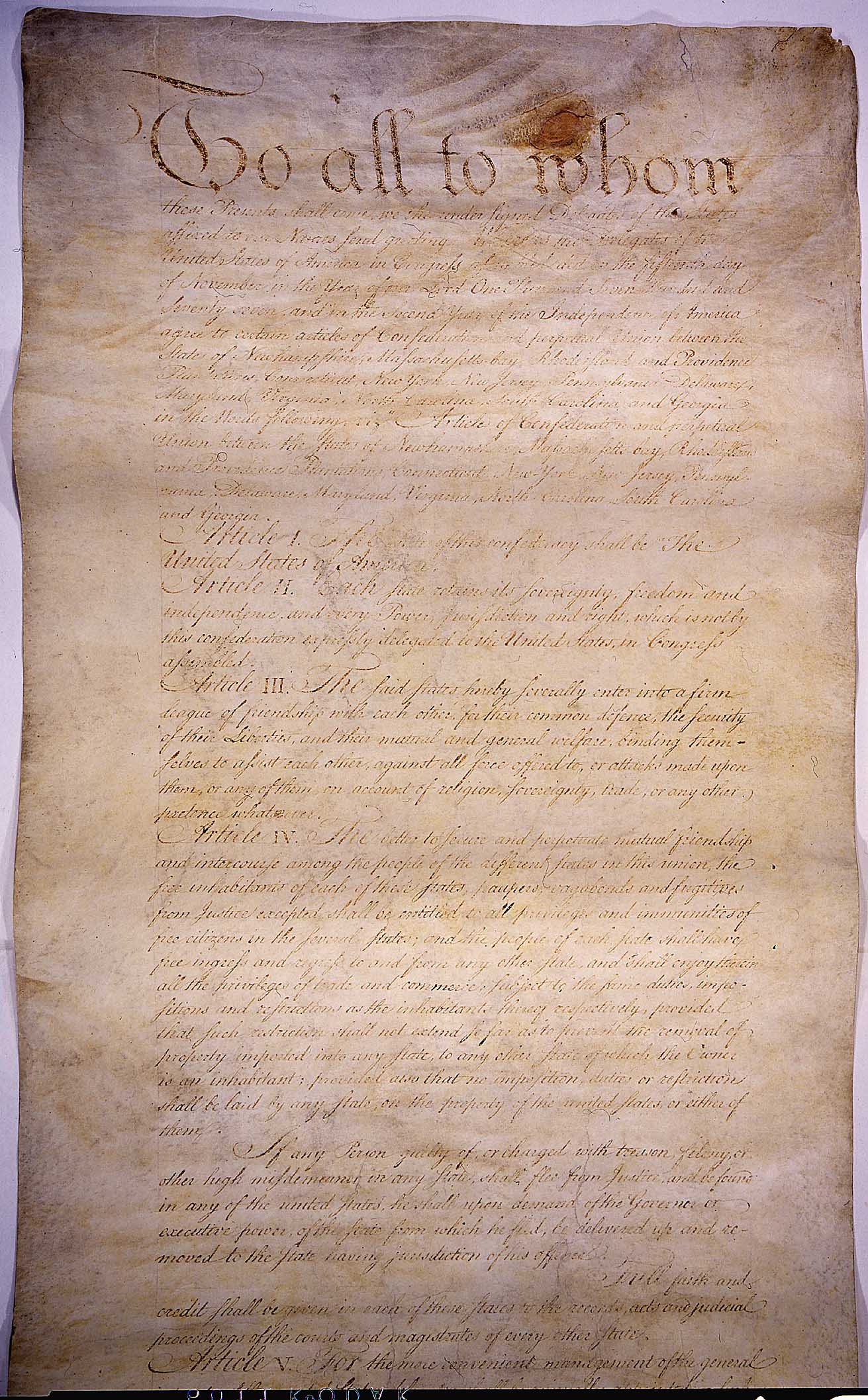
The Anti-Federalists emerged as a significant political force in the United States during the late 1780s, primarily in opposition to the proposed U.S. Constitution. This movement was not a monolithic entity but rather a loose coalition of individuals with varied backgrounds and concerns, united by their apprehension towards a powerful, centralized federal government. Many Anti-Federalists had been proponents of the Articles of Confederation, viewing them as a bulwark against the kind of distant, overreaching authority they had experienced under British rule. Figures like Patrick Henry and George Mason became prominent voices, articulating fears that the new Constitution would concentrate too much power in the hands of a national elite, mirroring the very governmental structures they had fought to escape. Their opposition was a direct response to the Federalist push for a stronger union, a debate that echoed through newspapers and public forums across the nascent nation, much like later debates seen on platforms like Reddit.
⚙️ Core Beliefs and Arguments
At the heart of the Anti-Federalist critique was a deep-seated fear of tyranny and a strong commitment to individual liberties and states' rights. They argued that the Constitution, as written, lacked sufficient protections for citizens, most notably the absence of a Bill of Rights. This omission, they contended, left the door open for the federal government to infringe upon fundamental freedoms. Unlike the Federalists, who believed that enumerated powers implicitly protected rights, the Anti-Federalists insisted on explicit guarantees. They also worried about the potential for an overly powerful presidency and judiciary, and the erosion of state autonomy, believing that power should remain as close to the people as possible, a sentiment that resonates with modern discussions about local governance and citizen participation, contrasting with the centralized models sometimes seen in large tech platforms like TikTok.
🌍 Key Figures and Writings
The Anti-Federalist movement produced a significant body of written work, often published under pseudonyms, collectively known as the Anti-Federalist Papers. These essays served as a crucial counterpoint to the Federalist Papers, authored by James Madison, Alexander Hamilton, and John Jay. Prominent Anti-Federalist writers included "Brutus" (likely Robert Yates), "Cato" (likely George Clinton), and "Federal Farmer" (likely Melancton Smith or Richard Henry Lee). These writings delved into specific objections, such as the structure of the proposed legislature, the powers of taxation, and the potential for a standing army. The intellectual rigor of these arguments challenged the Federalist vision and contributed to a robust national debate, akin to the diverse opinions found on platforms like 4chan.org, though with a more focused political agenda.
🔮 Legacy and Impact
While the Anti-Federalists ultimately failed to prevent the ratification of the Constitution, their influence was profound and lasting. Their persistent advocacy for a Bill of Rights was a key factor in its subsequent adoption, directly shaping the first ten amendments to the Constitution and safeguarding fundamental liberties. This legacy underscores the importance of dissenting voices in the democratic process, demonstrating how opposition can lead to crucial improvements and checks on power. The historical debate between Federalists and Anti-Federalists continues to inform discussions about the balance of power between federal and state governments, a perennial theme in American political discourse, and their arguments are still studied today, much like foundational texts in philosophy or early technological developments like those discussed on Wikipedia.
Key Facts
- Year
- 1787-1789
- Origin
- United States
- Category
- history
- Type
- movement
Frequently Asked Questions
Who were the Anti-Federalists?
The Anti-Federalists were a diverse group of individuals in the late 18th century who opposed the ratification of the U.S. Constitution. They generally favored a weaker central government and stronger state governments, fearing that the proposed Constitution would lead to tyranny and the erosion of individual liberties.
What were the main arguments of the Anti-Federalists?
Their primary arguments included the lack of a Bill of Rights in the Constitution, the fear of an overly powerful executive and judiciary, concerns about the concentration of power in a national government, and the potential for the federal government to infringe upon the sovereignty of the states. They believed that explicit protections for individual rights were essential.
Why did the Anti-Federalists oppose the Constitution?
They opposed the Constitution because they believed it created a national government that was too powerful and could become oppressive, similar to the British government they had fought against. They feared the loss of individual freedoms and the diminishment of the power of individual states.
What was the significance of the Anti-Federalist Papers?
The Anti-Federalist Papers are a collection of essays written by opponents of the Constitution, serving as a critical counterpoint to the Federalist Papers. They articulated the core concerns of the Anti-Federalists and played a vital role in the public debate over ratification, influencing later constitutional developments.
What was the legacy of the Anti-Federalists?
The most significant legacy of the Anti-Federalists is their role in the eventual adoption of the Bill of Rights. Their persistent arguments for explicit protections of individual liberties led to the first ten amendments to the Constitution, which remain a cornerstone of American civil liberties.
References
- en.wikipedia.org — /wiki/Anti-Federalists
- firstamendment.mtsu.edu — /article/anti-federalists/
- teachingamericanhistory.org — /resources/fafd-antifederalist-intro/
- britannica.com — /topic/Anti-Federalists
- khanacademy.org — /humanities/constitution-101/x7a03a96a83aa80ff:the-constitutional-convention-and
- en.wikipedia.org — /wiki/Anti-Federalist_Papers
- constitutioncenter.org — /education/classroom-resource-library/classroom/5.3-info-brief-the-anti-federali
- battlefields.org — /learn/articles/antifederalists-and-birth-american-party-politics