
Contents
Overview
The roots of audio equipment maintenance are as old as audio reproduction itself, tracing back to the early days of phonographs and radio receivers. As electronic circuits became more complex, so did the need for specialized care. Early radio technicians, for instance, routinely cleaned contacts, replaced vacuum tubes, and adjusted tuning capacitors to maintain signal clarity. The advent of magnetic tape recording in the mid-20th century introduced new maintenance challenges, such as cleaning tape heads and demagnetizing capstans, tasks that became standard practice in studios worldwide. Companies like RCA and Philips published service manuals detailing these procedures, establishing the foundational principles of electronic equipment upkeep that still guide us today. The rise of the home stereo enthusiast in the 1970s and 80s further democratized maintenance knowledge, with magazines like Stereo Review often featuring DIY tips for turntable alignment and amplifier cleaning.
⚙️ How It Works
At its core, audio equipment maintenance involves addressing the physical and electrical integrity of components. Physically, this means cleaning dust and debris from vents, contacts, and surfaces, which can impede airflow and cause overheating or signal degradation. Electrically, it involves ensuring proper voltage levels, checking for worn-out components like capacitors that degrade over time, and calibrating sensitive circuits. For analog gear, this might include deoxit-treating potentiometers and switches to ensure smooth, noise-free operation, or re-tensioning drive belts in tape decks and turntables. Digital equipment, while often perceived as maintenance-free, still requires attention to firmware updates, proper ventilation, and occasional cleaning of digital interfaces like USB ports to prevent data transmission errors.
📊 Key Facts & Numbers
The global market for professional audio equipment, a significant segment requiring regular maintenance, was valued at approximately $12.1 billion in 2023 and is projected to reach $17.8 billion by 2030, growing at a CAGR of 5.7%. Speaker cone surrounds, often made of foam or rubber, typically degrade within 10-20 years, necessitating replacement. Vacuum tubes, common in high-end amplifiers, have a lifespan of 1,000 to 10,000 hours depending on usage and type. Regular cleaning can prevent dust buildup, which, according to some estimates, can reduce heat dissipation efficiency by up to 15%. A single professional amplifier might contain dozens of electrolytic capacitors, each with a finite lifespan, often rated for 2,000 to 5,000 hours of operation at maximum temperature.
👥 Key People & Organizations
Key figures in audio equipment maintenance often operate behind the scenes, though pioneers like George Alexander Martin (founder of Martin Audio) and engineers at companies like Yamaha and Bose have implicitly shaped maintenance needs through their designs. Service technicians and repair shops, such as Sweetwater Sound's repair department, are crucial organizations that keep the industry running. The Audio Engineering Society (AES) often publishes technical papers and standards that indirectly inform best practices for equipment longevity. Independent repair specialists, often found on platforms like Reverb.com, play a vital role in preserving vintage and high-end gear, with some dedicating over 30 years to the craft.
🌍 Cultural Impact & Influence
The cultural impact of audio equipment maintenance is profound, though rarely celebrated. It's the silent guardian of sonic fidelity, ensuring that the artistic intent of musicians and producers is faithfully reproduced. For audiophiles, meticulous maintenance is a ritual, a way to deepen their connection with their sound system and the music itself. The longevity of classic audio gear, from Marantz receivers to Technics turntables, is a testament to the effectiveness of proper upkeep, allowing these pieces to remain functional and desirable for decades. This sustained usability contributes to a vibrant vintage audio market, where well-maintained equipment can fetch premium prices, demonstrating that care equals value.
⚡ Current State & Latest Developments
Current trends in audio equipment maintenance are increasingly influenced by digital integration and the rise of smart devices. While analog gear still demands hands-on attention, many modern digital audio workstations (DAWs) and networked audio systems benefit from software updates and network diagnostics. Companies like Apple provide regular software patches for their audio interfaces and operating systems, addressing bugs and performance issues. The DIY repair community, fueled by online forums and video tutorials on platforms like YouTube.com, is more active than ever, sharing knowledge on everything from soldering surface-mount components to replacing worn-out faders on digital mixing consoles. The increasing complexity of integrated circuits, however, also presents challenges, making some repairs more difficult for the average user.
🤔 Controversies & Debates
A significant debate in audio equipment maintenance revolves around the 'throwaway culture' versus 'repair culture.' Critics argue that many modern consumer electronics are designed with planned obsolescence, making them difficult or uneconomical to repair, thus encouraging replacement. This contrasts with the audiophile and professional audio communities, where repair and refurbishment are often seen as essential for preserving quality and value. Another point of contention is the use of proprietary parts and software, which can limit repair options to authorized service centers, often at higher costs. The debate over whether to replace aging electrolytic capacitors in amplifiers—some argue they are essential for the 'vintage sound,' while others insist they degrade performance—also highlights differing philosophies.
🔮 Future Outlook & Predictions
The future of audio equipment maintenance will likely see a blend of advanced diagnostics, modular design, and continued community-driven repair. Expect more devices to incorporate self-diagnostic capabilities, alerting users to potential issues before they become critical. Modular component design, where entire circuit boards or modules can be easily swapped out, could simplify repairs for both professionals and advanced DIYers. Furthermore, the increasing availability of 3D-printed replacement parts for vintage or discontinued equipment, facilitated by online repositories like Thingiverse.com, will empower enthusiasts to keep older gear alive. The integration of AI for predictive maintenance, analyzing usage patterns to forecast component failure, is also a strong possibility, especially in professional studio environments.
💡 Practical Applications
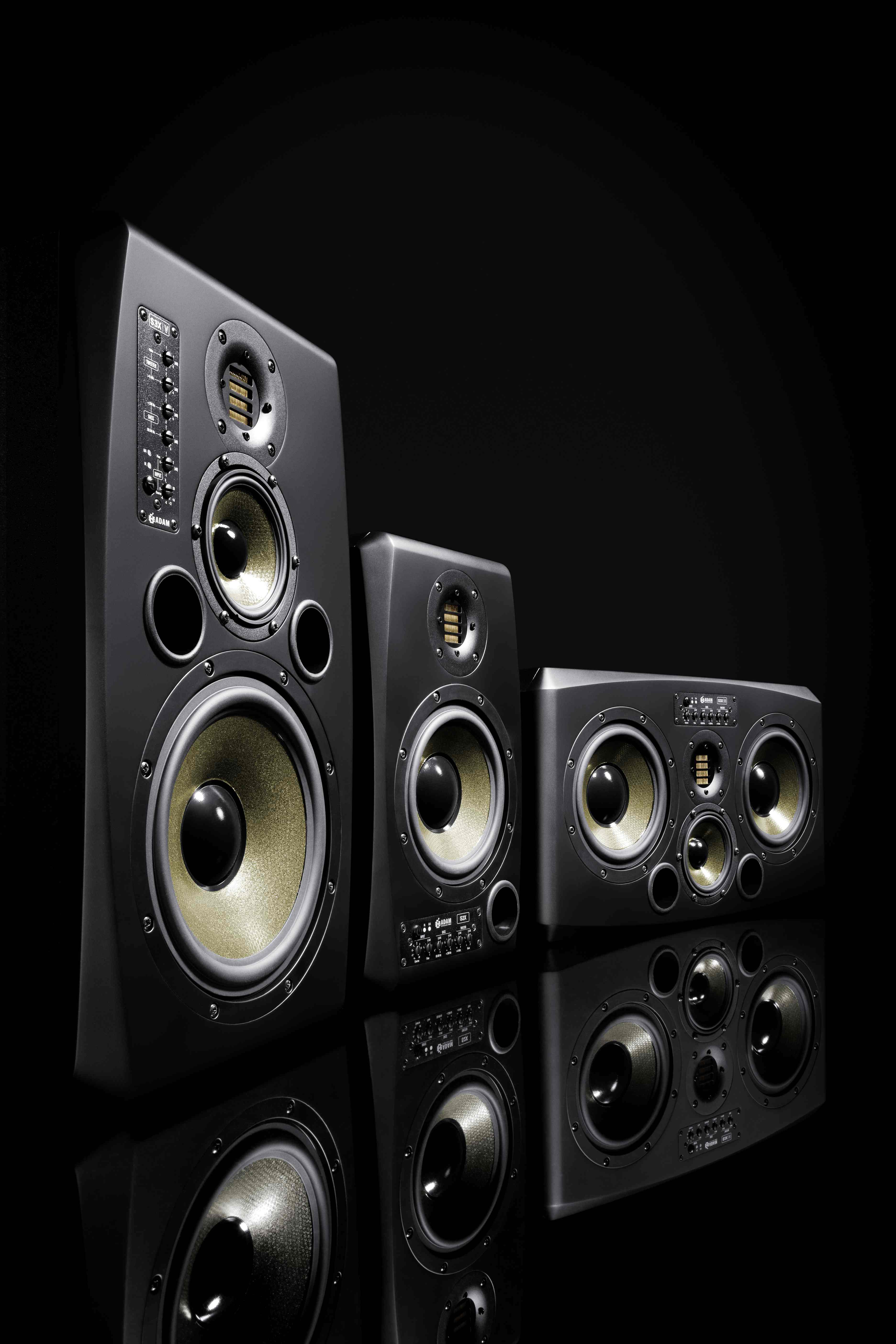
Practical applications of audio equipment maintenance are ubiquitous across various sectors. In professional recording studios, regular cleaning of mixing consoles, microphones, and outboard gear ensures optimal signal paths and prevents unwanted noise. For live sound engineers, maintaining PA systems, including speaker cabinets, amplifiers, and microphones, is crucial for reliable performance at concerts and events. Home theater enthusiasts perform similar tasks to ensure their surround sound systems deliver immersive experiences. Even simple maintenance, like cleaning headphone jacks on smartphones or laptops, can prevent intermittent audio dropouts. For musicians, keeping instruments like electric guitars and keyboards in good working order through regular cleaning and setup is fundamental to their craft.
Key Facts
- Category
- technology
- Type
- concept