
Contents
Overview
The roots of audiophile culture can be traced back to the early days of sound recording and playback, with pioneers like Thomas Edison and Alexander Graham Bell laying the groundwork for capturing and reproducing sound. As stereo recording and playback technologies emerged, particularly with the advent of vinyl records and high-fidelity (hi-fi) systems, a segment of listeners began to prioritize sonic accuracy over mere convenience. Early hi-fi enthusiasts, often engineers and musicians themselves, sought out the best available equipment, forming the nascent audiophile community. The development of specialized components like vacuum tube amplifiers and advanced loudspeaker designs by companies such as Marantz and Klipsch further fueled this passion. By the 1970s and 80s, with the rise of digital audio and the Compact Disc, the audiophile world saw a schism, with some embracing the perceived clarity of digital while others lamented the loss of analog warmth, solidifying the ongoing debates that define the culture.
⚙️ How It Works
At its core, audiophile culture revolves around optimizing every link in the audio reproduction chain. This begins with the source material, whether it's a high-resolution digital file (like FLAC or DSD), a pristine vinyl record, or a master tape. The signal then travels through a preamplifier, which controls volume and source selection, before reaching a power amplifier that boosts the signal to drive loudspeakers. Critical components include the digital-to-analog converter (DAC), which translates digital audio data into an analog signal, and the phono preamplifier for turntables. The listening environment itself is paramount, with audiophiles often investing in acoustic treatments for their rooms to minimize reflections and resonances. Even the cables connecting components are scrutinized for their impact on sound quality, with specialized interconnects and speaker cables being a common, albeit controversial, element.
📊 Key Facts & Numbers
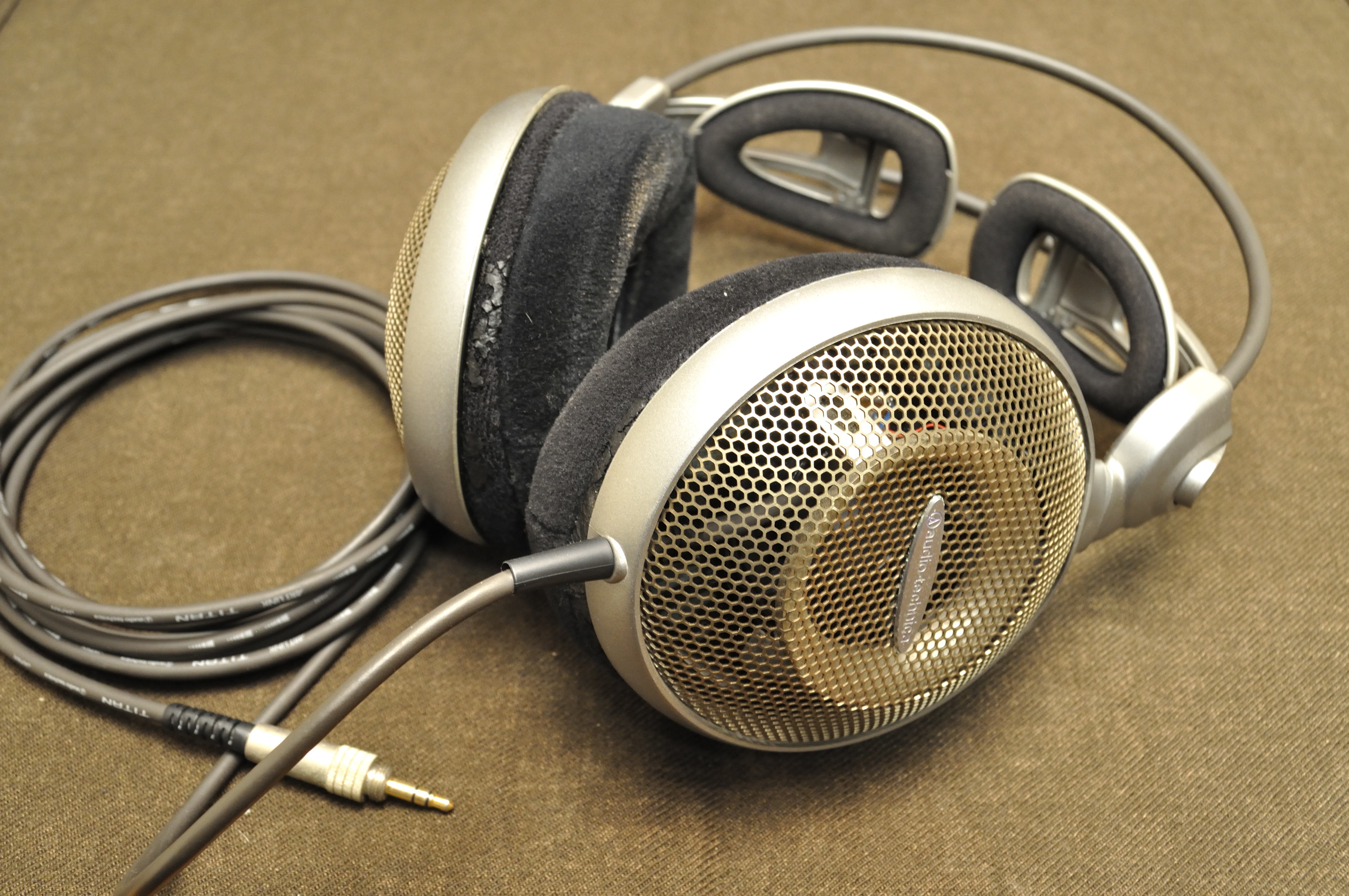
The global audiophile market is substantial. The market for headphones alone, a key entry point for many audiophiles, is significant, with a substantial portion dedicated to premium models. A single pair of high-end headphones can cost upwards of $1,000. Flagship loudspeakers from brands like Focal or Bowers & Wilkins can easily range from $10,000 to over $100,000. The market for dedicated digital-to-analog converters (DACs) and headphone amplifiers also sees significant investment, with high-performance units often costing several thousand dollars. This economic scale underscores the depth of commitment within the audiophile community, where enthusiasts are willing to spend considerable sums to achieve their sonic ideals.
👥 Key People & Organizations
Key figures in audiophile culture span engineers, manufacturers, reviewers, and dedicated enthusiasts. John B. Laws, a pioneer in hi-fi audio, was instrumental in popularizing high-fidelity sound reproduction in the mid-20th century. Paul W. Klipsch founded Klipsch, becoming renowned for his horn-loaded speaker designs. Dan D'Agostino is a celebrated name in high-end amplifier design, having founded Krell Industries and later Dan D'Agostino Master Audio Systems. On the digital side, Robert Stuart co-founded Meridian Audio, a company at the forefront of digital signal processing and high-resolution audio. Publications like Stereophile and The Absolute Sound have served as influential platforms for reviews and discourse, shaping consumer choices and industry trends for decades.
🌍 Cultural Impact & Influence
Audiophile culture has had a profound, albeit niche, impact on the broader music industry and consumer electronics. It has driven innovation in audio component design, pushing the boundaries of what's technically possible in sound reproduction, which occasionally trickles down to more mainstream products. The emphasis on critical listening and sonic detail has also influenced music production techniques, with some artists and engineers adopting audiophile-grade monitoring equipment and mastering practices. Furthermore, the culture has fostered a dedicated online community, with forums like Audiogon and Head-Fi.org serving as hubs for discussion, gear trading, and knowledge sharing. The persistent demand for higher fidelity has also contributed to the resurgence of analog formats like vinyl, demonstrating a counter-trend to the ubiquity of compressed digital audio.
⚡ Current State & Latest Developments
The current state of audiophile culture is dynamic, marked by the continued evolution of digital audio technologies and a robust analog resurgence. High-resolution audio streaming services like Tidal and Qobuz are gaining traction, offering lossless and high-resolution music files directly to consumers. The headphone market remains a hotbed of innovation, with planar magnetic and electrostatic headphone designs challenging traditional dynamic drivers. In the realm of loudspeakers, advancements in driver materials and digital room correction software are enhancing performance. Simultaneously, the vinyl revival shows no signs of slowing, with new pressings and vintage turntables commanding significant interest. The rise of portable high-resolution players, such as those from Astell&Kern, further caters to the audiophile on the go, blurring the lines between portable and desktop audio.
🤔 Controversies & Debates
The most persistent controversy in audiophile culture centers on the perceived subjectivity versus objectivity of sound quality. Critics often argue that many audiophile claims about the sonic superiority of expensive cables, exotic power conditioners, or specific DAC chips are not supported by rigorous scientific evidence or double-blind listening tests. The debate over whether audible differences exist between high-resolution audio and CD-quality, or between different amplifier designs, remains heated. Another point of contention is the 'placebo effect' or 'confirmation bias' among enthusiasts, where the belief in an expensive component's superiority influences their perception of its sound. The high cost of entry into the hobby also draws criticism, with some labeling it as elitist or unnecessarily extravagant, especially when compared to the sonic capabilities of well-engineered, more affordable mainstream equipment.
🔮 Future Outlook & Predictions
The future of audiophile culture will likely be shaped by the ongoing convergence of digital and analog technologies, alongside advancements in artificial intelligence and spatial audio. Expect to see more sophisticated digital signal processing (DSP) integrated into playback systems, offering personalized room correction and sound tuning. The development of more accessible, yet still high-fidelity, wireless audio solutions will continue to challenge the dominance of wired connections. The increasing interest in immersive audio formats like Dolby Atmos and DTS:X suggests a potential shift towards more object-based sound experiences, moving beyond traditional stereo. Furthermore, as computing power becomes more ubiquitous, we might see AI-driven audio analysis and optimization tools become commonplace, potentially democratizing some aspects of high-fidelity sound reproduction.
💡 Practical Applications
Audiophile principles and technologies find practical applications beyond dedicated listening rooms. High-fidelity audio components are crucial in professional recording studios for accurate monitoring and mixing, where engineers rely on pristine sound to make critical decisions. In the film industry, high-end audio systems are used for sound design, mixing, and mastering, ensuring that soundtracks translate effectively across various playback systems. Audiophile-grade headphones and DACs are also utilized by musicians for pr
Key Facts
- Category
- culture
- Type
- topic