
Contents
Overview
Branding strategies are the deliberate, long-term plans designed to shape how a target audience perceives a company, product, or service. These strategies go far beyond a simple logo or slogan, encompassing every touchpoint a consumer has with an entity, from advertising campaigns and product design to customer service interactions and corporate social responsibility initiatives. Effective branding aims to create a unique identity, foster emotional connections, build trust, and ultimately, differentiate offerings in a crowded marketplace. The goal is to cultivate brand equity – the intangible value that a brand name adds to a product or service, influencing consumer preference and loyalty. In essence, a strong branding strategy transforms a commodity into a recognized, desired, and often premium entity, impacting market share, pricing power, and long-term business sustainability.
🎵 Origins & History
The roots of branding stretch back to antiquity. In medieval Europe, guilds used maker's marks on goods to signify quality and origin. The Industrial Revolution in the 18th and 19th centuries, however, truly catalyzed modern branding. Mass production necessitated distinct identities for goods, leading to early trademarks and advertising. The word 'brand' likely derives from the Old Norse 'brandr' (to burn), serving as an early form of product differentiation.
⚙️ How It Works
A robust branding strategy operates on multiple interconnected levels. It begins with defining a clear brand identity: its mission, vision, values, and personality. This identity is then translated into tangible elements like a logo, color palette, typography, and tone of voice, which are consistently applied across all communication channels. The strategy dictates how these elements are used in marketing campaigns, product packaging, website design, and customer service protocols to evoke specific emotions and associations. Crucially, it involves understanding the target audience deeply, identifying their needs and desires, and positioning the brand as the ideal solution. This requires market research, competitive analysis, and a commitment to delivering on the brand promise consistently, building trust and recognition over time. The ultimate aim is to create a strong mental association in the consumer's mind, making the brand the default choice.
📊 Key Facts & Numbers
Globally, brand value is a colossal economic force. Companies invest heavily in branding. Research by Nielsen Holdings indicates that 59% of consumers prefer to buy new products from brands they know. Furthermore, a study by Harvard Business Review found that companies with strong brands often command price premiums of 10-20% over unbranded competitors.
👥 Key People & Organizations
Pioneers like David Ogilvy, often called the 'father of advertising,' revolutionized brand storytelling with his emphasis on research and creative execution for clients like Rolls-Royce and Shell Oil. Paul Rand, a titan of American graphic design, famously stated, 'Design is the silent ambassador of your brand.' Figures like Jeff Bezos built Amazon into a global retail behemoth through relentless customer focus and a data-driven approach to brand experience. Organizations like the American Marketing Association and The Brand Institute play crucial roles in setting standards and disseminating knowledge. Modern branding also sees influence from digital marketing agencies like Ogilvy (founded by David Ogilvy) and Saatchi & Saatchi, which continue to shape global brand narratives.
🌍 Cultural Impact & Influence
Branding strategies have profoundly shaped global culture, influencing everything from consumer behavior to artistic expression. Iconic brands like Coca-Cola have become ubiquitous symbols of American culture, their red and white script instantly recognizable worldwide. The branding of Disney has created a powerful narrative of magic and family entertainment, extending across theme parks, films, and merchandise. In music, artists like Beyoncé have meticulously crafted personal brands that transcend music, influencing fashion, activism, and business ventures. The rise of social media platforms like Instagram has democratized branding, allowing individuals and small businesses to build followings and establish unique identities, often challenging traditional corporate dominance. This pervasive influence means brands are not just products; they are cultural touchstones that reflect and shape societal values and aspirations.
⚡ Current State & Latest Developments
The current landscape of branding strategies is heavily influenced by digital transformation and evolving consumer expectations. Personalization is paramount; brands are leveraging data analytics and AI to deliver tailored experiences across channels, moving beyond one-size-fits-all messaging. The rise of purpose-driven branding, where companies align with social and environmental causes (e.g., Patagonia's environmental activism), is gaining traction, with consumers increasingly favoring brands that demonstrate ethical commitments. Influencer marketing, though maturing, remains a significant channel, with brands partnering with creators who have authentic connections with niche audiences. Furthermore, the metaverse and Web3 technologies are opening new frontiers for immersive brand experiences, with companies experimenting with NFTs, virtual goods, and digital storefronts in virtual worlds like Roblox and Decentraland.
🤔 Controversies & Debates
One of the most persistent debates in branding revolves around authenticity versus manufactured perception. Critics argue that many branding strategies rely on creating an illusion, a carefully curated image that may not reflect the company's true operations or values. This leads to accusations of 'greenwashing' when environmental claims are exaggerated, or 'wokewashing' when social causes are adopted purely for marketing benefit. Another controversy concerns data privacy; the extensive data collection required for personalized branding raises ethical questions about surveillance and consumer manipulation. The power of established brands also sparks debate about market monopolization and the challenges faced by smaller, emerging businesses trying to compete. The very definition of a 'brand' is also contested, with some arguing it has become overly commercialized, overshadowing genuine product quality or service.
🔮 Future Outlook & Predictions
The future of branding strategies will likely be defined by deeper integration with emerging technologies and an even greater emphasis on ethical consumerism. Expect to see more sophisticated AI-driven personalization, creating hyper-individualized brand interactions. Augmented reality (AR) will play a larger role, allowing consumers to virtually try products or experience brand narratives in their physical environment. The concept of the 'metaverse' will continue to evolve, offering new platforms for brand building and community engagement, potentially leading to entirely new forms of brand ownership and loyalty through NFTs and decentralized autonomous organizations (DAOs). Brands that can authentically demonstrate social and environmental responsibility, backed by transparent practices and verifiable impact, will likely gain a significant competitive advantage, as consumers become more discerning about where they direct their spending and attention.
💡 Practical Applications
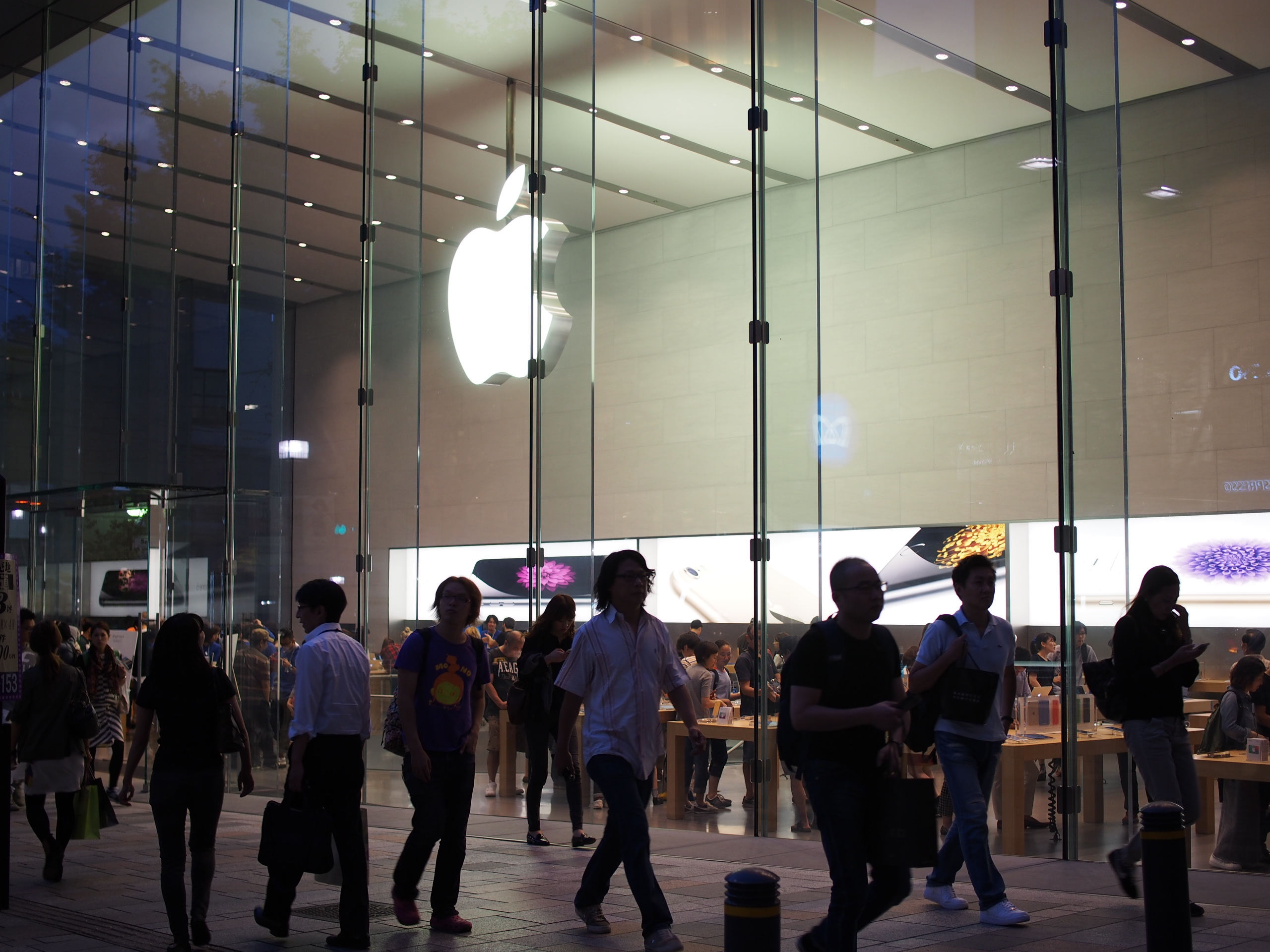
Branding strategies are applied across virtually every sector. In consumer goods, companies like Procter & Gamble use distinct branding for hundreds of products, from Tide to Pampers, to target specific demographics. In the technology sector, Google's brand signifies innovation and accessibility, while Apple's brand represents premium design and user experience. Financial institutions like JPMorgan Chase invest heavily in branding to build trust and credibility. Even non-profits and government agencies employ branding strategies to communica
Key Facts
- Category
- marketing
- Type
- topic