
Contents
Overview
The genesis of building construction stretches back to humanity's earliest settlements. Ancient Egyptians built monumental pyramids and temples, while ancient Romans built aqueducts, roads, and the Pantheon, honing engineering and architectural principles. The medieval period saw the rise of Gothic cathedrals, pushing the boundaries of structural engineering with flying buttresses and ribbed vaults. The Industrial Revolution, beginning in the late 18th century, introduced new materials like iron and steel, and later concrete, revolutionizing the scale and speed of construction, paving the way for skyscrapers and mass housing projects pioneered by figures like Andrew Carnegie and John Roebling with the Brooklyn Bridge.
⚙️ How It Works
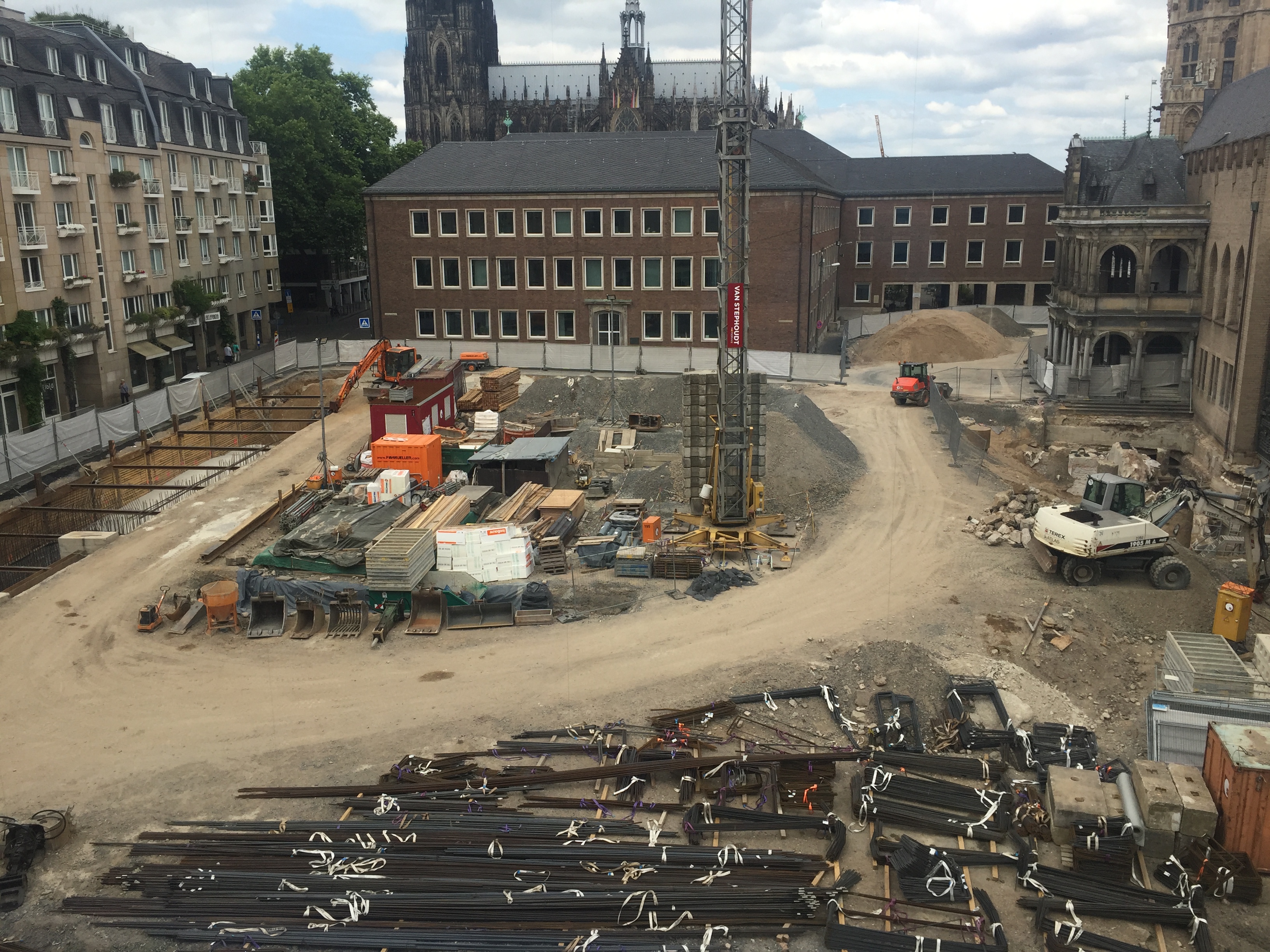
At its core, building construction is a meticulously orchestrated sequence of activities. It begins with architectural design and engineering plans, followed by site preparation, including excavation and foundation laying. The structural framework, whether steel, concrete, or timber, is erected next. Subsequently, exterior walls, roofing, and windows are installed to enclose the building. Interior work involves plumbing, electrical systems, HVAC (heating, ventilation, and air conditioning), insulation, and finishing touches like drywall, flooring, and painting. Project management, often overseen by general contractors like Bechtel, is crucial for coordinating subcontractors, managing schedules, and ensuring adherence to building codes and safety regulations, as mandated by bodies like the International Code Council.
📊 Key Facts & Numbers
The residential construction sector accounts for a significant portion of the industry, with millions of new housing units built annually. The sheer scale of the global construction industry is staggering. The cost of a single large-scale project, such as the Burj Khalifa, can exceed $1.5 billion.
👥 Key People & Organizations
The construction industry is populated by a diverse array of key players. Developers initiate projects. Architects like Frank Lloyd Wright and Zaha Hadid provide the design vision. Engineers ensure structural integrity. General contractors, such as Skanska and Vinci SA, manage the overall construction process, employing numerous specialized subcontractors for trades like electrical work, plumbing, and HVAC. Material suppliers, like Cemex and Saint-Gobain, are integral to the supply chain. Regulatory bodies and building code officials ensure compliance and safety.
🌍 Cultural Impact & Influence
Building construction has profoundly shaped human civilization and culture. It provides shelter, facilitates commerce, and creates spaces for social interaction and cultural expression. The architectural styles of different eras and regions reflect societal values, technological capabilities, and aesthetic preferences, from the functionalism of Bauhaus architecture to the ornate details of Baroque palaces. Construction projects often become iconic landmarks, symbolizing national pride or technological achievement, such as the Eiffel Tower or the Golden Gate Bridge. The industry also drives innovation in materials science, engineering, and project management, influencing other sectors.
⚡ Current State & Latest Developments
The construction industry in 2024 is grappling with several key developments. A major trend is the increasing adoption of Building Information Modeling (BIM), which enhances collaboration and reduces errors through digital 3D models. Prefabrication and modular construction are gaining traction, promising faster build times and improved quality control. Sustainability is paramount, with a growing emphasis on green building practices, energy-efficient designs, and the use of recycled or low-carbon materials like cross-laminated timber. The sector is also facing labor shortages in many regions, prompting greater investment in automation and robotics on construction sites, as seen in pilot projects by companies like Katerra (though Katerra itself faced financial difficulties).
🤔 Controversies & Debates
Construction is not without its controversies. Labor practices, including worker safety, wages, and the use of migrant labor, are frequently debated. Environmental concerns, such as habitat destruction, resource depletion, and the significant carbon footprint of materials like cement production, are major points of contention. The high cost and potential for budget overruns in large-scale projects, often involving public funds, frequently lead to scrutiny and public outcry. Furthermore, issues of gentrification and the displacement of existing communities due to new construction projects are persistent social challenges, particularly in rapidly developing urban areas.
🔮 Future Outlook & Predictions
The future of building construction points towards increased digitalization, automation, and sustainability. Expect wider adoption of AI for project planning and risk assessment, alongside more advanced robotics for tasks like bricklaying and welding. The push for net-zero buildings and circular economy principles will drive innovation in materials and construction methods, potentially leading to self-healing concrete or buildings that generate more energy than they consume. The integration of smart technologies will create 'smart buildings' that are more responsive to occupants' needs and environmental conditions. The industry may also see a shift towards more resilient construction techniques to withstand the impacts of climate change, such as extreme weather events.
💡 Practical Applications
Building construction has diverse practical applications. Residential construction provides housing for individuals and families. Commercial construction delivers spaces for retail, offices, and entertainment. Industrial construction erects factories, power plants, and processing facilities. Infrastructure construction builds essential public works like roads, bridges, tunnels, airports, and water treatment plants. Renovation and remodeling services extend the life and utility of existing structures. Specialized construction includes projects like stadiums, hospitals, and museums, each with unique design and engineering requirements.
Key Facts
- Category
- technology
- Type
- concept