
Contents
Overview
The quest to identify cancer dates back to antiquity, with Hippocrates (c. 460–370 BCE) describing tumors and coining the term 'karkinos' (crab) for malignant growths. Early diagnoses relied solely on observable symptoms and palpation, often too late for effective intervention. The 17th century saw advancements with physicians like Giovanni Battista Morgagni (1682–1771) correlating autopsy findings with clinical observations, laying groundwork for pathological understanding. Rudolf Virchow (1821–1902) contributed significantly to the field with his foundational cellular pathology theories. This era also saw the development of early imaging techniques, though rudimentary, and the formalization of clinical examination protocols by institutions like the Mayo Clinic in the early 20th century. The mid-20th century brought biochemical markers and the dawn of radiology, fundamentally reshaping the diagnostic landscape.
⚙️ How It Works
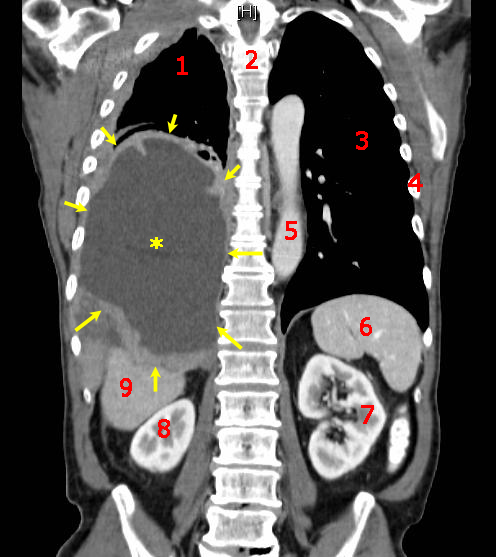
Cancer diagnosis typically begins with a patient presenting symptoms or an abnormality detected during routine screening. A physician then gathers a detailed medical history, including family history of cancer, lifestyle factors, and symptom onset. A physical examination follows, assessing for palpable masses, enlarged lymph nodes, or other physical signs. If suspicion remains, diagnostic imaging plays a crucial role, employing modalities like X-rays, CT scans, MRI scans, and PET scans to visualize internal structures and identify suspicious lesions. When a tissue sample is surgically removed, a pathologist examines it under a microscope to determine if cancer cells are present, their type, and their aggressiveness (grade). Further tests, such as blood tests for tumor markers (e.g., PSA for prostate cancer) or genetic tests for inherited predispositions, can supplement the diagnosis and inform treatment strategies.
📊 Key Facts & Numbers
The International Agency for Research on Cancer (IARC) tracks global cancer statistics, noting that lung cancer remains the most commonly diagnosed cancer worldwide. The accuracy of diagnostic tests varies across different modalities. In the United States, the American Cancer Society reports on national cancer case projections. The cost of cancer diagnosis can range from a few hundred dollars for basic blood tests and imaging to tens of thousands for complex procedures and advanced molecular profiling, creating significant access disparities. Issues with diagnostic accessibility and timeliness remain a critical concern in lower- and middle-income countries.
👥 Key People & Organizations
Pioneering figures in cancer diagnosis include Rudolf Virchow, whose cellular pathology theories were foundational. Marie Curie's work on radioactivity, while not directly diagnostic, paved the way for radiological advancements. Key organizations like the National Cancer Institute (NCI) in the US and the World Health Organization (WHO) globally fund research and set diagnostic guidelines. Companies such as Roche Diagnostics, Abbott Laboratories, and Thermo Fisher Scientific are major players in developing and manufacturing diagnostic tools, from imaging equipment to molecular assays. Pathologists, radiologists, and oncologists form the core professional groups involved in the diagnostic process.
🌍 Cultural Impact & Influence
The cultural narrative around cancer diagnosis is deeply intertwined with fear, hope, and the fight for survival. Media portrayals, from dramatic medical procedurals to personal memoirs, have shaped public perception, often emphasizing the life-or-death stakes of accurate diagnosis. The phrase 'You have cancer' is one of the most impactful statements a physician can deliver, carrying immense psychological weight. Public awareness campaigns, often spearheaded by organizations like the Susan G. Komen Foundation for breast cancer or the Livestrong Foundation, have significantly influenced screening behaviors and early detection efforts. The increasing focus on personalized medicine, driven by diagnostic insights, has also shifted the cultural understanding of cancer from a monolithic disease to a spectrum of individual conditions, each requiring tailored diagnostic and therapeutic approaches.
⚡ Current State & Latest Developments
The current landscape of cancer diagnosis is characterized by rapid technological integration. Companies like Guardant Health and Foundation Medicine are leading the charge in the development of liquid biopsy technology. AI algorithms, such as those developed by Google Health, have shown promise in detecting breast cancer from mammograms with accuracy comparable to or exceeding human experts. The development of novel imaging agents and techniques continues to enhance visualization of tumors at earlier stages.
🤔 Controversies & Debates
One of the most significant controversies in cancer diagnosis revolves around overdiagnosis and overtreatment, particularly with screening tests like mammography and PSA tests. Critics argue that these tests can identify slow-growing or indolent cancers that may never have caused harm, leading to unnecessary anxiety, biopsies, and treatments with significant side effects. The debate over the optimal screening intervals and age cutoffs for various cancers, such as colon cancer screening with colonoscopies, also highlights diagnostic tensions. Another area of contention is the accessibility and cost of advanced diagnostic technologies, which can be prohibitively expensive, exacerbating health disparities. The interpretation of complex molecular data and the standardization of diagnostic criteria across different laboratories and regions also present ongoing challenges.
🔮 Future Outlook & Predictions
The future of cancer diagnosis points towards even greater precision, speed, and accessibility. We can anticipate a significant rise in non-invasive diagnostic methods, with liquid biopsies potentially becoming a standard component of routine cancer screening and monitoring for a wider array of cancer types. AI will likely become an indispensable tool, augmenting human expertise in image analysis and data interpretation, potentially leading to earlier and more accurate diagnoses. Furthermore, efforts are underway to develop point-of-care diagnostic devices that can provide rapid results in resource-limited settings, democratizing access to critical diagnostic capabilities. The goal is to shift from reactive diagnosis to proactive risk assessment and early detection, potentially transforming cancer management.
Key Facts
- Category
- science
- Type
- topic