
Contents
Overview
Cannabis is a genus of flowering plants in the family Cannabaceae. While the exact number of species is debated, the term 'hemp' typically refers to varieties cultivated for industrial purposes, yielding fiber, seeds, oils, and edible leaves. Beyond its industrial applications, cannabis boasts a profound and ancient history of medicinal use and has become a globally recognized recreational substance, known by numerous slang terms like marijuana, pot, and weed. Its cultivation and consumption remain subjects of intense legal, social, and scientific scrutiny worldwide, with ongoing research exploring its complex chemical compounds and their effects.
🎵 Origins & History
The story of the cannabis plant is as old as civilization itself. Early humans likely encountered Cannabis sativa in the Himalayan region, recognizing its utility for fiber, food, and potentially its psychoactive properties. Its journey continued through trade routes, reaching Africa and eventually the Americas with European colonizers, who utilized it for rope, sails, and paper. This global diffusion underscores cannabis's adaptability and its integral role in human history long before its modern classification and controversies.
⚙️ Botanical Breakdown
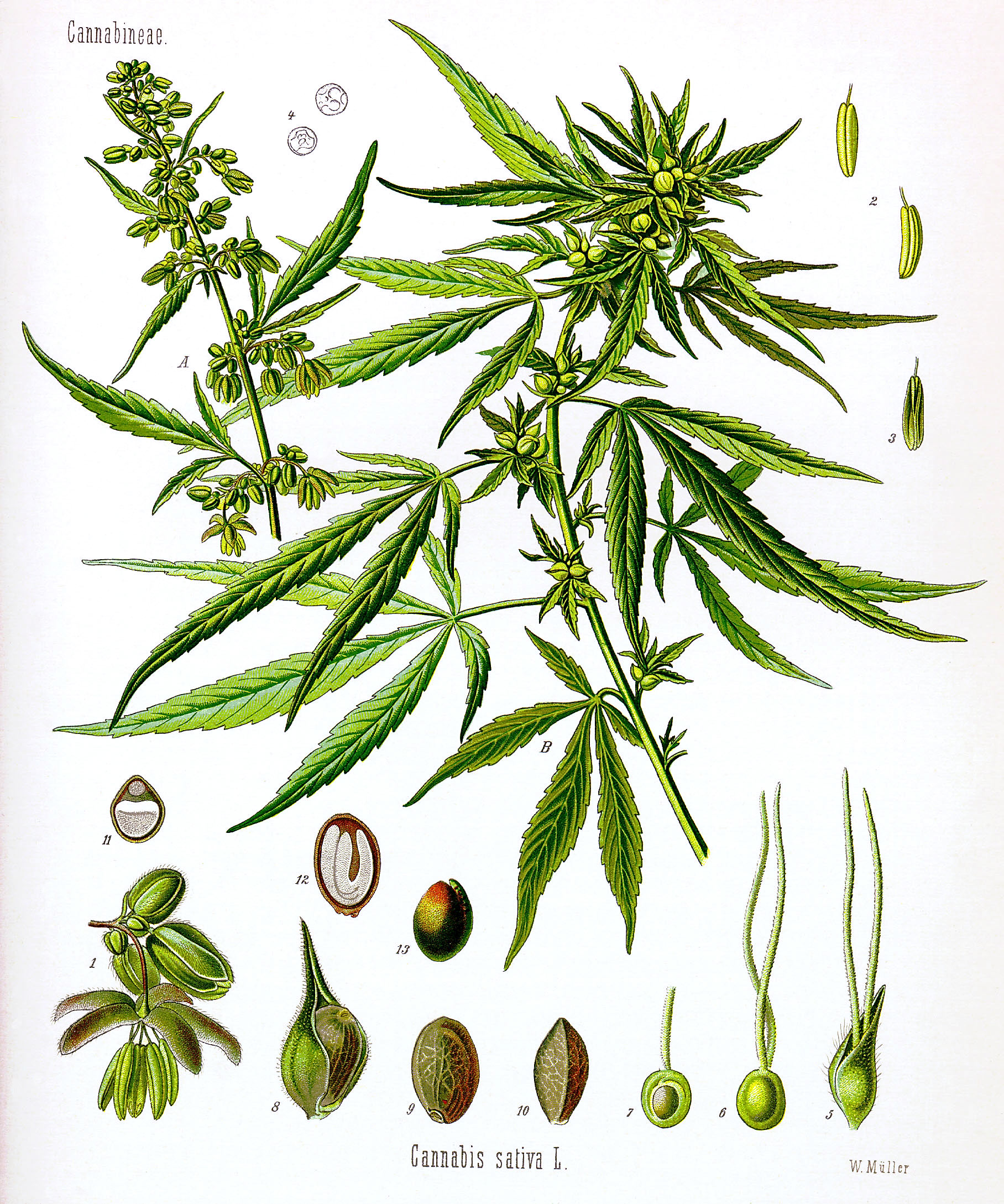
Botanically, the cannabis genus is characterized by its distinct morphology and chemical composition. C. sativa typically grows tall with narrow leaves and is often associated with higher THC (tetrahydrocannabinol) content and uplifting effects. C. indica plants are generally shorter and bushier with broader leaves, commonly linked to higher CBD (cannabidiol) content and more relaxing, sedative effects. C. ruderalis, native to Eastern Europe and Russia, is a smaller, hardier plant that flowers based on age rather than light cycle, a trait crucial for developing autoflowering strains. These species hybridize readily, leading to a vast array of cultivars with diverse cannabinoid profiles and terpene expressions, making precise classification a continuous challenge for botanists and breeders alike.
📊 Key Facts & Numbers
Globally, cannabis cultivation is a massive, albeit often illicit, industry. The United States leads in legal market size. Globally, countries like Canada and Uruguay have legalized recreational use. The plant's fiber can produce textiles that are up to 8 times stronger than cotton, and its seeds are a nutritional powerhouse, containing nearly all essential amino acids.
👥 Key Figures & Organizations
While no single individual can claim sole ownership of the cannabis plant's legacy, numerous figures have shaped its modern perception and industry. The burgeoning legal industry has also seen the rise of entrepreneurs like Charlie Bixby (founder of MedMen) and Jorge Cervantes, a prominent author and educator on cannabis cultivation.
🌍 Cultural Impact & Influence
The cultural footprint of cannabis is immense and deeply embedded across societies. From ancient spiritual rituals in India and the Middle East to its association with counterculture movements in the 20th century, cannabis has been a recurring motif in art, music, and literature. Bob Marley's advocacy for Rastafarianism, which reveres cannabis, brought its cultural significance to global attention. Today, cannabis culture is a vibrant subculture, influencing fashion, lifestyle brands, and a growing lexicon of terms. Its presence in popular media, from films like 'Pineapple Express' to documentaries exploring its history, continues to shape public perception and acceptance.
⚡ Current State & Latest Developments
The current landscape of cannabis is defined by rapid legalization and evolving scientific understanding. As of 2024, over 20 U.S. states have legalized recreational cannabis, with more considering it, while numerous others permit medical use. Canada and Uruguay have fully legalized recreational sales, and countries like Germany are moving towards similar reforms. This expansion fuels a booming legal industry, with new dispensaries, cultivation facilities, and product innovations emerging constantly. Simultaneously, scientific research is accelerating, with studies published in journals like Nature Medicine and The Lancet Psychiatry investigating the therapeutic potential of cannabinoids for conditions such as chronic pain, epilepsy, and anxiety, while also examining potential risks associated with heavy use.
🤔 Controversies & Debates
The controversies surrounding cannabis are as potent as its psychoactive compounds. Historically, the plant has been subject to prohibitionist policies. Debates persist regarding its classification as a Schedule I drug by the United Nations and national governments, despite growing evidence of medical benefits and lower harm profiles compared to legal substances like alcohol and tobacco. Public health concerns include potential impacts on adolescent brain development, risks of addiction, and impaired driving. Furthermore, the transition from illicit to legal markets raises questions about social equity, ensuring that communities disproportionately harmed by past prohibition benefit from the new industry, a challenge highlighted by ongoing debates in states like California and Illinois.
🔮 Future Outlook & Predictions
The future of cannabis is poised for significant transformation, driven by scientific discovery and policy shifts. Experts predict continued global legalization trends, potentially leading to a fully regulated international market within the next decade. Research into the entourage effect—the synergistic interaction of various cannabinoids and terpenes—promises more targeted and effective therapeutic applications. Innovations in cultivation, such as vertical farming and precision agriculture, aim to increase efficiency and sustainability. The development of non-psychoactive cannabinoids like CBG and CBC for specific health benefits is also on the horizon. However, challenges remain, including navigating international drug treaties and addressing the persistent illicit market, which may continue to coexist with legal frameworks for years to come.
💡 Practical Applications
Cannabis finds application across a surprisingly broad spectrum of industries. Industrially, hemp fibers are used to produce durable textiles, paper, biodegradable plastics, and even building materials like hempcrete. Hemp seeds and oil are nutritional powerhouses, incorporated into foods, supplements, and cosmetics for their rich omega-3 and omega-6 fatty acid content. Medicinally, cannabis and its derived compounds, such as CBD and THC, are used to manage chronic pain, nausea associated with chemotherapy, muscle spasticity in multiple sclerosis, and certain forms of epilepsy, as seen with the FDA-approved drug Epidiolex. Recreational use, where legal, has spawned a multi-billion dollar industry of dispensaries, edibles, and vaporizers, catering to adult consumers seeking relaxation or altered states of consciousness.
Key Facts
- Category
- nature
- Type
- topic