
Contents
Overview
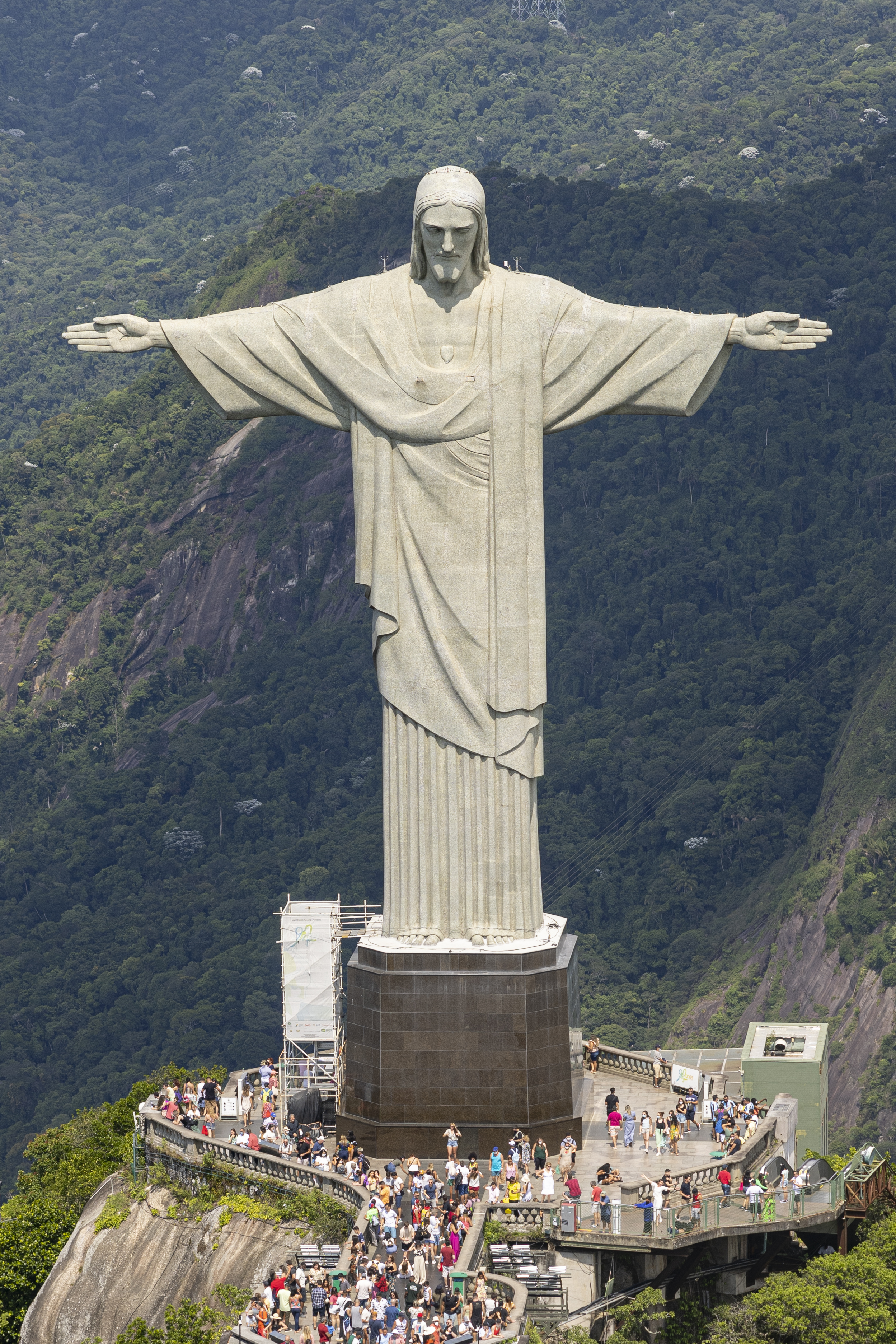
The genesis of Christ the Redeemer can be traced back to the 1850s when a Catholic priest, Father Pedro Maria Boss, proposed a Christian monument in Brazil. However, the idea didn't gain significant traction until the 1920s, spurred by the centenary of Brazil's independence. The Catholic Circle of Rio de Janeiro spearheaded the fundraising campaign, which relied heavily on donations from Brazilian Catholics. French-Polish sculptor Paul Landowski was commissioned to create the design, eventually settling on the now-famous pose with arms outstretched. Brazilian engineer Heitor da Silva Costa oversaw the construction, collaborating with French engineer Albert Caquot for the structural engineering and Romanian sculptor Gheorghe Leonida for the detailed facial features. Construction commenced and was completed, marking a significant feat of engineering and artistic collaboration.
⚙️ How It Works
The statue's construction employed a unique method of building with reinforced concrete, a relatively new material at the time, encased in thousands of small soapstone tiles. This choice of soapstone, known for its durability and resistance to weathering, was crucial for a structure exposed to the elements at such a high altitude. The internal structure consists of a steel frame supporting the concrete, with the soapstone tiles meticulously applied by hand. The sheer scale of the project necessitated innovative scaffolding and construction techniques. The statue's design, particularly the wide-reaching arms, was engineered to withstand the strong winds prevalent on Corcovado Mountain, a testament to the collaborative efforts of Albert Caquot and Heitor da Silva Costa. The internal access allows for maintenance and repairs, ensuring its longevity.
📊 Key Facts & Numbers
Christ the Redeemer stands a commanding 30 meters (98 ft) tall, with its pedestal adding another 8 meters (26 ft). The statue's arms stretch an impressive 28 meters (92 ft) wide, creating a visual span of 58 meters (190 ft). The entire structure weighs approximately 635 metric tons. Perched atop Corcovado Mountain, the statue is situated at an elevation of 700 meters (2,300 ft) above sea level, offering panoramic views of Rio de Janeiro and Guanabara Bay. Since its completion, it has consistently ranked among the most visited tourist attractions in Brazil, attracting an estimated 2 million visitors annually. In 2007, it was voted one of the New7Wonders of the World, a global recognition of its iconic status.
👥 Key People & Organizations
The creation of Christ the Redeemer involved a constellation of talented individuals and organizations. Heitor da Silva Costa, the Brazilian engineer, conceived the initial idea and led the project's execution. Paul Landowski, a renowned French sculptor, is credited with the primary sculptural design, bringing the figure to life with his artistic vision. Gheorghe Leonida, a Romanian sculptor, meticulously crafted the statue's expressive face. Albert Caquot, a French engineer, provided crucial structural expertise, ensuring the statue's stability. The Catholic Church played a pivotal role through the Catholic Circle of Rio de Janeiro, which organized fundraising and promoted the project as a symbol of faith and national pride. The Brazilian government also provided support, recognizing its potential as a national monument.
🌍 Cultural Impact & Influence
Christ the Redeemer has transcended its religious origins to become an internationally recognized symbol of Brazil and Rio de Janeiro. Its image is ubiquitous in tourism campaigns, films, and popular culture, solidifying its status as a global icon. The statue's open arms have been interpreted as a gesture of welcome and peace, resonating with people of all backgrounds. It has inspired numerous similar statues worldwide, including the Christ the King statue in Świebodzin, Poland, and the Christ the King statue in Almada, Portugal. As a UNESCO World Heritage Site, it contributes significantly to Brazil's cultural tourism, drawing millions of visitors and generating substantial revenue. Its silhouette is an indelible part of the Rio de Janeiro skyline, as iconic as the Eiffel Tower is to Paris.
⚡ Current State & Latest Developments
In recent years, Christ the Redeemer has undergone significant restoration and modernization efforts to preserve its integrity and enhance visitor experience. In 2010, a major restoration project was completed, addressing damage caused by weather and vandalism, which included cleaning the exterior, repairing cracks, and replacing some of the soapstone tiles. The statue is also increasingly integrated with digital technologies; for instance, in 2020, during the COVID-19 pandemic, its lights were used to project messages of solidarity and gratitude to healthcare workers. The surrounding infrastructure, including the cog railway that transports visitors up Corcovado Mountain, is continually being upgraded to manage the high volume of tourism and ensure accessibility. Discussions are ongoing about further enhancing the visitor experience with augmented reality features and improved viewing platforms.
🤔 Controversies & Debates
Despite its widespread adoration, Christ the Redeemer is not without its controversies. Some critics argue that the immense cost of its construction and ongoing maintenance could have been better allocated to social programs in a country with significant economic disparities. There have also been debates regarding its religious symbolism, with some secular groups questioning the prominence of a religious figure as a national icon. The statue has also been a target for vandalism, with incidents of graffiti and damage occurring periodically, raising concerns about security and preservation. Furthermore, the sheer volume of tourism, while economically beneficial, poses environmental challenges to the Tijuca National Park ecosystem surrounding the statue, leading to discussions about sustainable tourism practices and visitor management.
🔮 Future Outlook & Predictions
The future of Christ the Redeemer likely involves a continued focus on preservation and sustainable tourism. Advanced monitoring systems are being explored to detect structural weaknesses or environmental impacts in real-time. There's a growing interest in leveraging virtual reality and augmented reality to offer immersive experiences, potentially reducing the physical strain on the site while expanding its reach globally. Discussions are also underway regarding potential expansions of visitor facilities, including improved accessibility for individuals with disabilities and enhanced educational exhibits about the statue's history and cultural significance. The ongoing challenge will be balancing the preservation of this iconic monument with the demands of mass tourism and the evolving expectations of visitors in the digital age.
💡 Practical Applications
The primary practical application of Christ the Redeemer is as a major tourist attraction and a pilgrimage site for Christians. It serves as a powerful symbol for Rio de Janeiro and Brazil, driving significant economic activity through tourism, hospitality, and related industries. The statue's image is widely used in branding and marketing for Brazilian tourism. Beyond its economic function, it acts as a cultural unifier, representing a shared heritage and identity for many Brazilians. For religious individuals, it is a focal point for prayer and reflection, embodying faith and hope. Its imposing presence also makes it a landmark for navigation within the city and a backdrop for significant public events and celebrations.
Key Facts
- Category
- aesthetics
- Type
- topic