
Contents
- 📍 What Exactly Are Community Groups?
- 👥 Who Are These Groups For?
- 🗺️ Finding Your Local Scene
- 🤝 The Power of Collective Action
- ⚖️ Organizing vs. Consensus Building
- 💡 Key Players & Tactics
- 📈 Measuring Impact: The Vibe Score
- ❓ Common Criticisms & Debates
- 🚀 The Future of Community Organizing
- 🔗 Getting Involved: Your First Steps
- Frequently Asked Questions
- Related Topics
Overview
Community groups, at their core, are organized collectives of individuals united by geography, shared interests, or common challenges. They're not just social clubs; they are engines for collective power, designed to amplify voices and influence decisions that impact their members. Think of them as the grassroots backbone of civic engagement, transforming individual concerns into actionable group demands. The fundamental principle is that by pooling resources and coordinating efforts, a community can achieve outcomes unattainable by individuals acting alone, creating a tangible democratic structure within a defined area or shared interest.
👥 Who Are These Groups For?
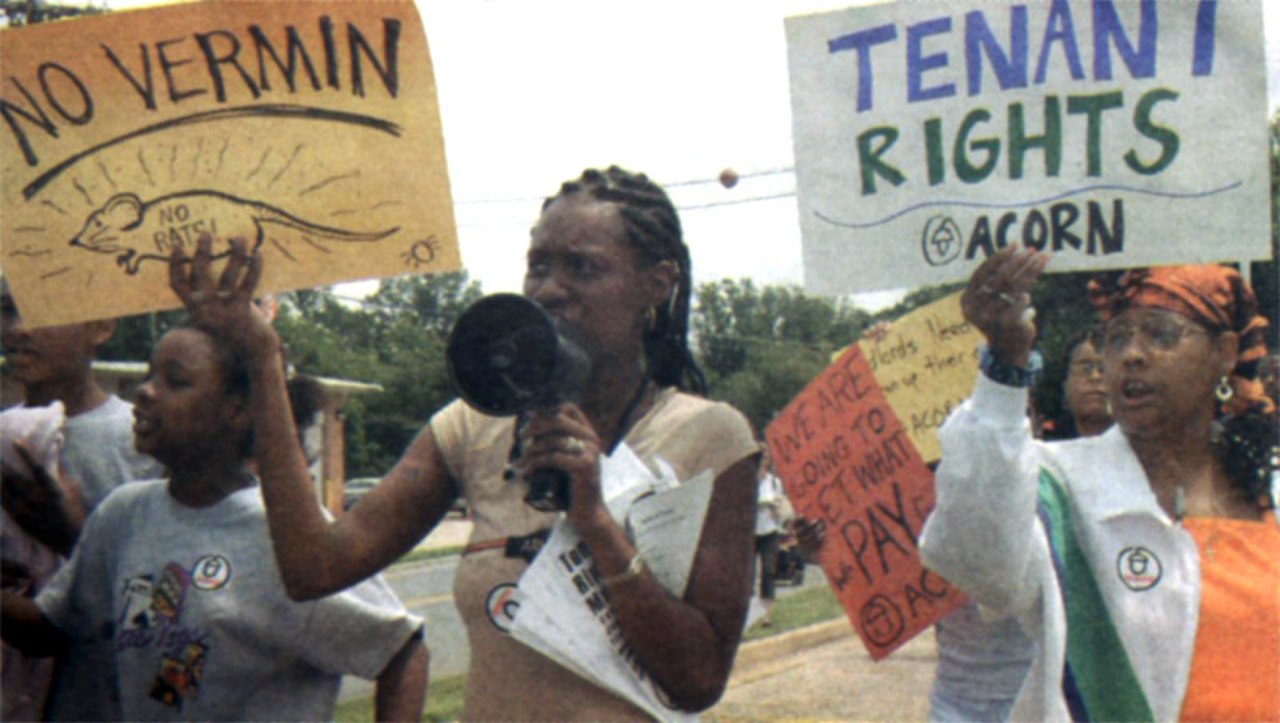
These groups are for anyone who feels their voice isn't being heard, whether it's about local zoning laws, school funding, environmental protection, or tenant rights. If you live in a neighborhood, work in a specific industry, or share a passion for a particular cause, there's likely a community group that aligns with your interests. They are particularly vital for groups facing systemic disadvantage, providing a platform to challenge power imbalances and advocate for equitable treatment. The goal is to empower the powerless, turning shared grievances into a unified front for change.
🗺️ Finding Your Local Scene
Finding a community group often starts hyper-locally. Look for flyers in community centers, libraries, or local businesses. Online platforms like Meetup, Facebook Groups, or even specialized forums can be goldmines. Don't underestimate word-of-mouth; ask neighbors or colleagues if they're involved in any local initiatives. Many established groups have websites or social media presences detailing their mission, meeting times, and contact information. For a broader overview, Vibepedia's subculture mapping can help identify emerging or established organizing hubs.
🤝 The Power of Collective Action
The driving force behind successful community groups is the generation of durable power. This isn't about fleeting popularity; it's about building an organization that can consistently influence decision-makers over time. Organizers focus on developing local leaders, forging strategic inter-group collaboration, and executing well-planned campaigns. The aim is to secure a seat at the table, ensuring community interests are considered before decisions are finalized, rather than reacting to them after the fact.
⚖️ Organizing vs. Consensus Building
A key distinction in community organizing lies in its approach to social change. Unlike consensus-building models that prioritize harmony, traditional community organizing, as pioneered by figures like Alinsky's principles, often embraces conflict as a necessary catalyst for progress. Organizers acknowledge that power dynamics are inherent and that change requires challenging existing structures. This doesn't mean gratuitous antagonism, but a strategic understanding that the powerless must actively struggle to gain leverage against entrenched interests.
💡 Key Players & Tactics
Community organizers employ a range of tactics, from door-to-door canvassing and public forums to direct action and legislative advocacy. They identify and cultivate new leaders within the community, empowering them through training and experience. Tactics often involve detailed research, strategic planning, and the mobilization of members for specific actions. The objective is to build a robust, organized local democracy where diverse members can unite for common goals, fostering a sense of shared purpose and collective efficacy.
📈 Measuring Impact: The Vibe Score
Vibepedia measures the cultural energy and impact of various entities through Vibe Score methodology. For community groups, a high Vibe Score would indicate significant local influence, active membership, successful campaigns, and a strong capacity to mobilize. Conversely, a low score might suggest internal fragmentation, declining participation, or an inability to effect tangible change. The score reflects the group's actual power and resonance within its sphere of influence, moving beyond mere self-reported success.
❓ Common Criticisms & Debates
Community organizing isn't without its critics. Some argue that its confrontational approach can alienate potential allies or create unnecessary division. Others question the sustainability of power generated through conflict, suggesting it can lead to burnout or co-optation. There's also debate about who truly benefits from organized power – whether it serves the entire community or specific factions within it. The controversy spectrum analysis for community organizing typically shows moderate to high contention, particularly around tactics and ultimate goals.
🚀 The Future of Community Organizing
The future of community organizing is likely to be shaped by evolving technologies and shifting social landscapes. Digital organizing tools can expand reach and facilitate communication, but they also raise questions about digital divides and the authenticity of online engagement. We may see more sophisticated data-informed strategies and a greater emphasis on intersectionality, recognizing how various forms of oppression overlap. The challenge will be to maintain the core principles of grassroots power while adapting to new forms of influence and control in the digital age.
🔗 Getting Involved: Your First Steps
To get started, identify your primary concern or interest. Research existing groups in your area that address this. Attend a public meeting as an observer to gauge the group's dynamics and effectiveness. Don't be afraid to ask questions about their mission, current campaigns, and how members can contribute. If no suitable group exists, consider initiating one by talking to neighbors or like-minded individuals. Vibepedia's mapping connections can help you understand how different groups and issues intersect, potentially informing your strategy.
Key Facts
- Year
- Ancient
- Origin
- Human Social Organization
- Category
- Social Structures
- Type
- Concept
Frequently Asked Questions
What's the difference between community organizing and volunteering?
Volunteering typically involves donating time and skills to an existing organization or cause, often focusing on service delivery. Community organizing, however, is about building collective power within a community to challenge existing power structures and advocate for systemic change. Organizers focus on developing leadership, strategy, and sustained campaigns to influence decision-makers, rather than just providing immediate assistance.
How do community groups gain 'power'?
Power in community organizing is built through membership, organization, and strategic action. It's generated by bringing people together around shared interests or grievances, developing their leadership capacity, and mobilizing them for collective action. This organized power allows groups to negotiate with, pressure, and influence institutions and decision-makers, securing concessions or driving policy changes that benefit the community.
Are community groups always political?
While many community groups engage in political action to achieve their goals, not all are explicitly partisan or focused on traditional electoral politics. Their 'politics' often lie in challenging power dynamics, advocating for resource allocation, and influencing local policy or institutional practices. Even groups focused on social or environmental issues often find themselves engaging in political advocacy to effect the changes they seek.
How do I know if a community group is legitimate?
Look for transparency in their operations, clear communication about their mission and activities, and evidence of active participation from members. Legitimate groups often have public meeting minutes, accessible contact information, and a track record of tangible actions or achievements. Be wary of groups that are overly secretive, demand large upfront financial commitments without clear accountability, or lack a defined structure for decision-making.
Can one person start a community group?
Yes, one person can initiate the process by identifying a shared need or concern and reaching out to others who feel the same way. However, a true community group requires collective buy-in and participation to be effective. The initial organizer acts as a catalyst, but sustained success depends on building a broader base of engaged members who share ownership and drive the group's agenda.
What is the role of conflict in community organizing?
Conflict is often viewed as a necessary tool in community organizing, particularly in the tradition of Alinsky's methodology. Organizers believe that social change requires challenging existing power structures, which inherently involves confronting those who hold power. This conflict is strategic, aimed at creating leverage and forcing decision-makers to address community demands, rather than being an end in itself.