
Contents
- 🌐 Introduction to Digitization
- 💻 The Process of Digitization
- 📊 Digital Representation and Binary Numbers
- 📈 The Impact of Digitization on Society
- 📊 The Role of Computers in Digitization
- 📁 Digital Storage and Retrieval
- 📈 The Future of Digitization and Its Challenges
- 🤝 The Interplay between Digitization and [[artificial-intelligence|Artificial Intelligence]]
- 📊 The Economic Benefits of Digitization
- 📚 The Importance of [[data-privacy|Data Privacy]] in the Digital Age
- 📈 The Global Reach of Digitization and Its [[internet-of-things|Internet of Things]] Applications
- Frequently Asked Questions
- Related Topics
Overview
Digitization, the process of converting information or analog signals into digital form, has been a cornerstone of modern technological advancement. With a history tracing back to the early 20th century, digitization has evolved significantly, influenced by pioneers like Claude Shannon and Vannevar Bush. Today, it encompasses a wide range of applications, from digital archiving and e-government services to the Internet of Things (IoT) and artificial intelligence (AI). The digitization of industries such as healthcare, finance, and education has opened up new avenues for efficiency, accessibility, and innovation. However, it also raises critical questions about data privacy, job displacement, and the digital divide. As we move forward, understanding the multifaceted nature of digitization is crucial for harnessing its potential while mitigating its challenges. The future of digitization will be shaped by advancements in technologies like blockchain, quantum computing, and 5G networks, promising even more profound impacts on society and the economy.
🌐 Introduction to Digitization
The advent of digitization has revolutionized the way we live, work, and interact with one another. At its core, digitization is the process of converting information into a digital format, making it possible for computers to read and process. This conversion enables the representation of objects, images, sounds, documents, and signals in a discrete set of points or samples, which can be expressed as binary numbers. For instance, the digitization of music has made it possible to store and play back songs with Music Streaming services. The impact of digitization can be seen in various aspects of our lives, including the way we communicate through Social Media and access information through Online Learning platforms.
💻 The Process of Digitization
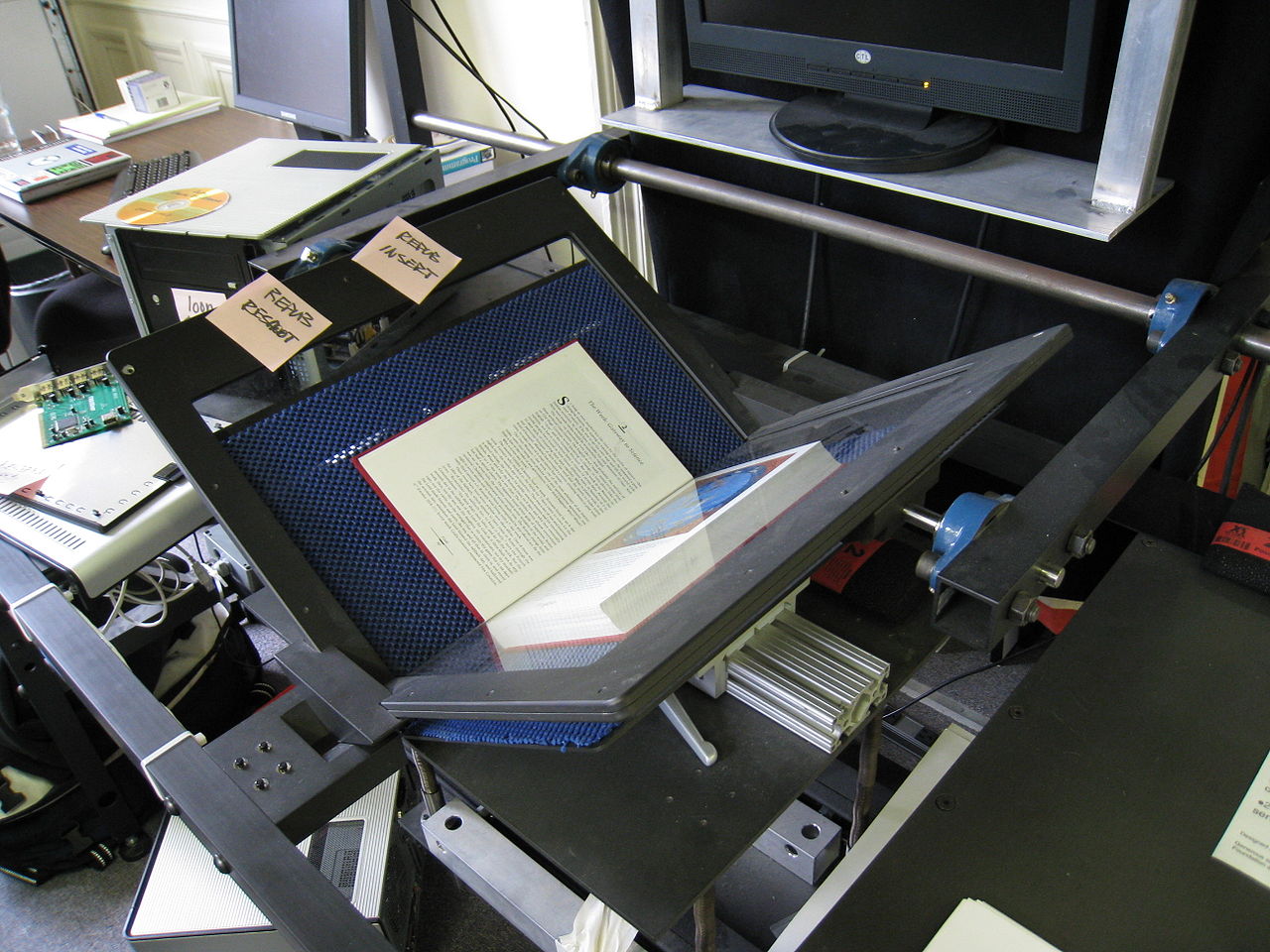
The process of digitization involves the conversion of analog source material into a numerical format. This can be achieved through various methods, including scanning, digitizing audio and video recordings, and converting physical documents into digital files. The result of this conversion is a digital representation of the original material, which can be processed, stored, and transmitted using digital computers. The use of Cloud Computing has made it possible to store and access digitized data from anywhere, at any time. Furthermore, the development of Machine Learning algorithms has enabled the automation of digitization processes, making it faster and more efficient.
📊 Digital Representation and Binary Numbers
Digital representation is a fundamental concept in digitization, as it enables the conversion of analog information into a digital format. This is achieved by generating a series of numbers that describe a discrete set of points or samples. The resulting digital representation can be expressed in various number systems, including binary, decimal, or hexadecimal. The use of binary numbers has become the standard in contemporary practice, as it enables efficient processing and storage of digital information. For example, the digitization of images has made it possible to store and share photos through Photo Sharing platforms. The development of Computer Vision has also enabled the analysis and interpretation of digitized images.
📈 The Impact of Digitization on Society
The impact of digitization on society has been profound, transforming the way we live, work, and interact with one another. The widespread adoption of digital technologies has enabled the creation of new industries, jobs, and opportunities for economic growth. However, it has also raised concerns about Job Displacement, Income Inequality, and the Digital Divide. The digitization of education has made it possible to access knowledge and learning resources through Online Education platforms. Moreover, the development of Telemedicine has enabled remote healthcare services, improving access to medical care for people in remote areas.
📊 The Role of Computers in Digitization
Computers play a crucial role in the process of digitization, as they enable the processing, storage, and transmission of digital information. The development of powerful computers and specialized software has made it possible to digitize and analyze large amounts of data, enabling new insights and discoveries. The use of Big Data analytics has become a key aspect of digitization, as it enables the extraction of valuable insights from large datasets. For instance, the digitization of customer data has made it possible for companies to personalize their marketing efforts through Customer Relationship Management systems. Furthermore, the development of Cybersecurity measures has become essential to protect digitized data from cyber threats.
📁 Digital Storage and Retrieval
Digital storage and retrieval are critical components of the digitization process, as they enable the safekeeping and access of digital information. The development of cloud storage and retrieval systems has made it possible to store and access large amounts of data from anywhere, at any time. The use of Data Compression algorithms has also enabled the efficient storage and transmission of digital data. For example, the digitization of documents has made it possible to store and retrieve them through Document Management systems. Moreover, the development of Search Engine algorithms has enabled the efficient retrieval of digitized information from large databases.
📈 The Future of Digitization and Its Challenges
The future of digitization is likely to be shaped by emerging technologies such as Artificial Intelligence, Blockchain, and the Internet of Things. These technologies have the potential to enable new applications and use cases for digitization, such as autonomous vehicles, smart cities, and personalized medicine. The development of 5G Networks has also enabled faster data transmission rates, making it possible to support more demanding applications. However, the future of digitization also raises concerns about Job Displacement, Income Inequality, and the Digital Divide. The digitization of healthcare has made it possible to access medical services remotely through Telehealth platforms.
🤝 The Interplay between Digitization and [[artificial-intelligence|Artificial Intelligence]]
The interplay between digitization and Artificial Intelligence is likely to be a key driver of innovation in the future. The use of AI algorithms can enable the automation of digitization processes, making it faster and more efficient. The development of Machine Learning algorithms has also enabled the analysis and interpretation of digitized data, enabling new insights and discoveries. For instance, the digitization of customer service has made it possible to use Chatbots to provide automated support. Furthermore, the development of Natural Language Processing has enabled the analysis and interpretation of digitized text data.
📊 The Economic Benefits of Digitization
The economic benefits of digitization are significant, as it enables the creation of new industries, jobs, and opportunities for economic growth. The widespread adoption of digital technologies has also enabled the improvement of productivity, efficiency, and competitiveness. The use of Digital Payment systems has made it possible to conduct transactions online, reducing the need for physical currency. For example, the digitization of banking has made it possible to access financial services through Online Banking platforms. Moreover, the development of E-commerce has enabled the online sale of goods and services, making it possible for businesses to reach a global market.
📚 The Importance of [[data-privacy|Data Privacy]] in the Digital Age
The importance of Data Privacy in the digital age cannot be overstated. The widespread adoption of digital technologies has raised concerns about the collection, storage, and use of personal data. The development of Data Protection regulations has become essential to safeguard the rights of individuals and prevent the misuse of personal data. For instance, the digitization of personal data has made it possible to use Biometrics for authentication and identification. Furthermore, the development of Encryption algorithms has enabled the secure transmission and storage of digitized data.
📈 The Global Reach of Digitization and Its [[internet-of-things|Internet of Things]] Applications
The global reach of digitization is evident in its applications in various industries and sectors. The use of Internet of Things devices has enabled the connection of physical objects to the digital world, making it possible to monitor and control them remotely. The development of Smart Cities has also enabled the use of digitization to improve the efficiency and sustainability of urban infrastructure. For example, the digitization of transportation systems has made it possible to use Ride Hailing services to improve mobility. Moreover, the development of Digital Twin technology has enabled the creation of virtual replicas of physical objects, making it possible to simulate and optimize their behavior.
Key Facts
- Year
- 2023
- Origin
- Global
- Category
- Technology and Society
- Type
- Concept
Frequently Asked Questions
What is digitization?
Digitization is the process of converting information into a digital format, making it possible for computers to read and process. This conversion enables the representation of objects, images, sounds, documents, and signals in a discrete set of points or samples, which can be expressed as binary numbers. The use of Cloud Computing has made it possible to store and access digitized data from anywhere, at any time. Furthermore, the development of Machine Learning algorithms has enabled the automation of digitization processes, making it faster and more efficient.
What are the benefits of digitization?
The benefits of digitization are significant, as it enables the creation of new industries, jobs, and opportunities for economic growth. The widespread adoption of digital technologies has also enabled the improvement of productivity, efficiency, and competitiveness. The use of Digital Payment systems has made it possible to conduct transactions online, reducing the need for physical currency. For example, the digitization of banking has made it possible to access financial services through Online Banking platforms. Moreover, the development of E-commerce has enabled the online sale of goods and services, making it possible for businesses to reach a global market.
What are the challenges of digitization?
The challenges of digitization are significant, as it raises concerns about Job Displacement, Income Inequality, and the Digital Divide. The development of Artificial Intelligence and Automation has also raised concerns about the potential displacement of jobs. Furthermore, the widespread adoption of digital technologies has also raised concerns about Cybersecurity and the protection of personal data. The use of Data Protection regulations has become essential to safeguard the rights of individuals and prevent the misuse of personal data.
How does digitization affect society?
The impact of digitization on society is profound, as it has transformed the way we live, work, and interact with one another. The widespread adoption of digital technologies has enabled the creation of new industries, jobs, and opportunities for economic growth. However, it has also raised concerns about Job Displacement, Income Inequality, and the Digital Divide. The digitization of education has made it possible to access knowledge and learning resources through Online Education platforms. Moreover, the development of Telemedicine has enabled remote healthcare services, improving access to medical care for people in remote areas.
What is the future of digitization?
The future of digitization is likely to be shaped by emerging technologies such as Artificial Intelligence, Blockchain, and the Internet of Things. These technologies have the potential to enable new applications and use cases for digitization, such as autonomous vehicles, smart cities, and personalized medicine. The development of 5G Networks has also enabled faster data transmission rates, making it possible to support more demanding applications. However, the future of digitization also raises concerns about Job Displacement, Income Inequality, and the Digital Divide.
How does digitization affect the economy?
The economic benefits of digitization are significant, as it enables the creation of new industries, jobs, and opportunities for economic growth. The widespread adoption of digital technologies has also enabled the improvement of productivity, efficiency, and competitiveness. The use of Digital Payment systems has made it possible to conduct transactions online, reducing the need for physical currency. For example, the digitization of banking has made it possible to access financial services through Online Banking platforms. Moreover, the development of E-commerce has enabled the online sale of goods and services, making it possible for businesses to reach a global market.
What is the role of computers in digitization?
Computers play a crucial role in the process of digitization, as they enable the processing, storage, and transmission of digital information. The development of powerful computers and specialized software has made it possible to digitize and analyze large amounts of data, enabling new insights and discoveries. The use of Big Data analytics has become a key aspect of digitization, as it enables the extraction of valuable insights from large datasets. For instance, the digitization of customer data has made it possible to use Customer Relationship Management systems to personalize marketing efforts.