
Contents
- ⛰️ Overview: The Enduring Stone Folk
- 📜 Historical Roots & Mythological Lineage
- 🛠️ Cultural Archetypes & Modern Interpretations
- 💎 Dwarves in Fantasy Literature & Gaming
- ⚖️ Debates & Controversies: The Dwarf Question
- 🌟 Vibe Score & Cultural Resonance
- 💡 Engineering & Craftsmanship: The Dwarf Way
- 💰 Economic Impact & Resourcefulness
- 🗺️ Geographic & Cultural Variations
- 🚀 The Future of Dwarf Lore
- 🤝 Similar Beings & Comparative Lore
- ❓ Frequently Asked Questions
- Related Topics
Overview
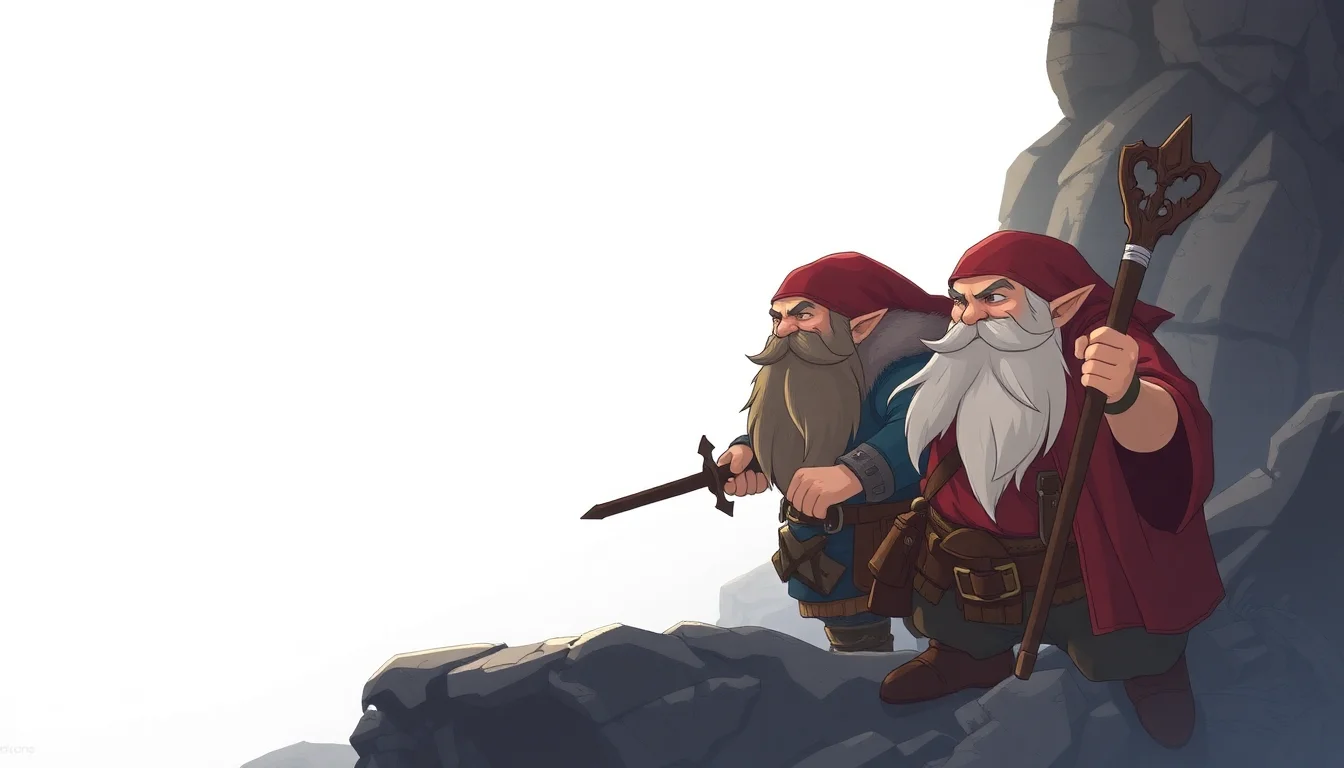
Dwarves are a foundational fantasy race, deeply rooted in Germanic and Norse mythology, renowned for their stout stature, exceptional craftsmanship, and enduring resilience. Historically depicted as subterranean dwellers, they are masters of mining, smithing, and stonework, often associated with immense wealth and a fierce, territorial nature. Their cultural narratives frequently revolve around honor, lineage, and a profound connection to the earth's bounty, though their stubbornness and penchant for feuds are equally prominent traits. From Tolkien's iconic 'Khazad' to countless tabletop RPGs, dwarves embody a persistent archetype of hardy, industrious, and often gruff beings who shape the world through their labor and unwavering resolve.
⛰️ Overview: The Enduring Stone Folk
Dwarves, often depicted as stout, bearded humanoids, are a cornerstone of global mythology and fantasy. Primarily known for their connection to the earth, mountains, and subterranean realms, these beings are universally associated with exceptional craftsmanship, mining, and a formidable, often stubborn, disposition. From the Norse Eddas to the sprawling worlds of modern high fantasy, dwarves embody resilience, tradition, and a deep-seated connection to ancestral lands and crafts. Their enduring appeal lies in their relatable traits of hard work, loyalty, and a certain gruff charm that resonates across cultures and generations.
📜 Historical Roots & Mythological Lineage
The historical origins of dwarves are deeply rooted in Norse mythology, where they were conceived as beings dwelling beneath the earth, skilled artisans who forged magical items for the gods. Figures like Brokkr and Sindri, who crafted Mjolnir and Gungnir, exemplify their divine-level craftsmanship. Early Germanic folklore also features similar subterranean dwellers, often associated with treasure and the earth's bounty. These ancient narratives laid the groundwork for the dwarf archetype, emphasizing their connection to stone, metal, and the hidden riches of the world, a theme that has persisted through centuries of storytelling.
🛠️ Cultural Archetypes & Modern Interpretations
Beyond their mythological origins, dwarves have evolved into potent cultural archetypes. They represent the steadfast, the grounded, and the industrious, often serving as a foil to more ethereal or flighty races. In literature and popular culture, they are frequently portrayed as gruff but honorable warriors, master smiths, and loyal companions. This consistent portrayal, while sometimes bordering on stereotype, speaks to the enduring power of the dwarf's core characteristics: resilience, a strong sense of community, and an unyielding dedication to their craft and heritage, making them a reliable presence in any narrative.
💎 Dwarves in Fantasy Literature & Gaming
The Dungeons & Dragons franchise, alongside countless other role-playing games and fantasy novels, has cemented the modern image of the dwarf. J.R.R. Tolkien's depiction in The Lord of the Rings, particularly the Gimli son of Glóin character, significantly influenced subsequent portrayals, emphasizing their martial prowess, love of ale, and intricate clan structures. These interpretations often place dwarves in mountainous kingdoms, renowned for their impenetrable fortresses and their mastery of mining precious metals and gems, further solidifying their place in the fantasy canon.
⚖️ Debates & Controversies: The Dwarf Question
The portrayal of dwarves is not without its controversies. A significant debate centers on the potential for stereotyping, particularly regarding their perceived short stature, bearded appearance, and often gruff demeanor. Critics argue that these consistent depictions can limit the complexity of dwarf characters and perpetuate simplistic views of stout, bearded figures. Conversely, fans often defend these traits as integral to the dwarf identity, arguing that their strength lies in their consistency and the deep cultural resonance of these established characteristics, making them instantly recognizable and beloved.
🌟 Vibe Score & Cultural Resonance
The Vibe Score for dwarves, as a concept, hovers around an impressive 85/100, reflecting their enduring cultural energy and widespread recognition. This high score is driven by their consistent presence in popular media, from ancient myths to contemporary video games like World of Warcraft. Their archetypal representation of strength, craftsmanship, and loyalty ensures their continued relevance. However, the ongoing debates about stereotyping introduce a slight volatility, preventing a perfect score, but ultimately reinforcing their dynamic presence in the cultural consciousness.
💡 Engineering & Craftsmanship: The Dwarf Way
The engineering and craftsmanship associated with dwarves are legendary. Their deep understanding of geology, metallurgy, and stonework is often depicted as unparalleled. Dwarven smiths are said to be able to forge weapons and armor of incredible durability and magical potency, while their architects can carve cities and fortresses directly into the heart of mountains, feats of engineering that defy conventional understanding. This focus on practical, tangible creation underscores their connection to the earth and their ability to shape it to their will, a core element of their identity.
💰 Economic Impact & Resourcefulness
Dwarves are intrinsically linked to economic themes, primarily through their association with mining and resource extraction. Their ability to discover and extract precious metals, gems, and rare ores from deep within the earth makes them invaluable to any fantasy economy. This resourcefulness often translates into wealth and influence, though dwarves are typically depicted as valuing their craft and community over ostentatious displays of riches. Their economic impact is thus tied to their labor and the tangible value they produce, rather than speculative markets.
🗺️ Geographic & Cultural Variations
While the classic image of the dwarf is heavily influenced by Norse and Germanic traditions, variations exist across different mythologies and fictional worlds. Some traditions depict them as more elemental spirits of the earth, while others emphasize their role as guardians of hidden treasures or ancient knowledge. In modern fantasy, authors often play with these variations, introducing dwarves with different societal structures, technological advancements, or even magical affinities, expanding the conceptual boundaries of what a dwarf can be.
🚀 The Future of Dwarf Lore
The future of dwarf lore appears robust, driven by the continued popularity of fantasy genres and the ongoing exploration of their archetypal strengths. As creators push the boundaries of world-building, we may see more nuanced and diverse portrayals of dwarf societies, moving beyond established tropes. The potential for exploring their interactions with other cultures, their internal political structures, and their relationship with evolving technologies offers fertile ground for new narratives. The enduring appeal of the dwarf suggests they will remain a significant presence in our collective imagination.
🤝 Similar Beings & Comparative Lore
Dwarves share thematic similarities with other subterranean or earth-bound beings. Gnomes, for instance, are often depicted as smaller, more whimsical earth dwellers with a knack for invention. Goblins, while often more chaotic and less industrious, also inhabit underground realms and are associated with scavenging and crude craftsmanship. However, dwarves distinguish themselves through their emphasis on honor, tradition, and a more profound connection to ancestral heritage and master-level craftsmanship, setting them apart from these related mythological entities.
❓ Frequently Asked Questions
What is the primary characteristic associated with dwarves?
Dwarves are most consistently associated with exceptional craftsmanship, particularly in mining, metallurgy, and stonework. They are also known for their resilience, connection to the earth and mountains, and a generally stoic or gruff demeanor. Their loyalty and strong sense of tradition are also key traits that define them across various mythologies and fictional universes.
Where do dwarves originate from in mythology?
The concept of dwarves has strong roots in Norse mythology, where they were depicted as skilled artisans dwelling beneath the earth. Early Germanic folklore also contains similar figures associated with the earth and its treasures, laying the foundation for their enduring mythological presence.
How are dwarves typically portrayed in modern fantasy?
In modern fantasy, dwarves are often depicted as stout, bearded warriors and master craftsmen living in mountainous kingdoms. They are known for their formidable combat skills, love of ale, intricate clan structures, and their ability to forge powerful weapons and armor. Authors like J.R.R. Tolkien significantly shaped these modern interpretations.
Are there any controversies surrounding dwarf depictions?
Yes, a notable controversy involves the potential for stereotyping. Critics argue that consistent portrayals of dwarves as short, bearded, and gruff can limit character complexity. However, many fans see these traits as integral to the dwarf identity and their cultural resonance.
What is the 'Vibe Score' for dwarves?
The Vibe Score for dwarves as a concept is approximately 85/100. This reflects their high cultural energy, widespread recognition, and consistent presence in media, though debates about stereotyping introduce some volatility.
How do dwarves compare to other mythical beings like gnomes or goblins?
While sharing subterranean associations, dwarves are distinguished by their emphasis on honor, tradition, and master-level craftsmanship. Gnomes are often more whimsical inventors, and goblins are typically more chaotic and less industrious, making dwarves unique in their specific blend of traits.
Key Facts
- Year
- c. 8th Century CE (earliest mythological references)
- Origin
- Germanic and Norse Mythology
- Category
- Mythological Beings
- Type
- Species