
Contents
Overview
The roots of elective monarchy stretch back to antiquity, predating formalized hereditary succession. Early tribal societies, such as those of the ancient Germanic tribes, often chose their leaders based on perceived strength and charisma, a precursor to formal election. In ancient Greece, some city-states experimented with elected kings. The Roman Republic itself, though not a monarchy, saw elected consuls wielding supreme power, demonstrating a preference for elected leadership in certain contexts. The Khazar Khaganate in Eastern Europe also featured an elected monarchy, where the ruler, the Khagan, was chosen from a specific lineage but still subject to election and even deposition. The sheer diversity of these early forms highlights a global, rather than geographically isolated, tendency towards elective rule when hereditary claims were not yet firmly established or were actively contested.
⚙️ How It Works
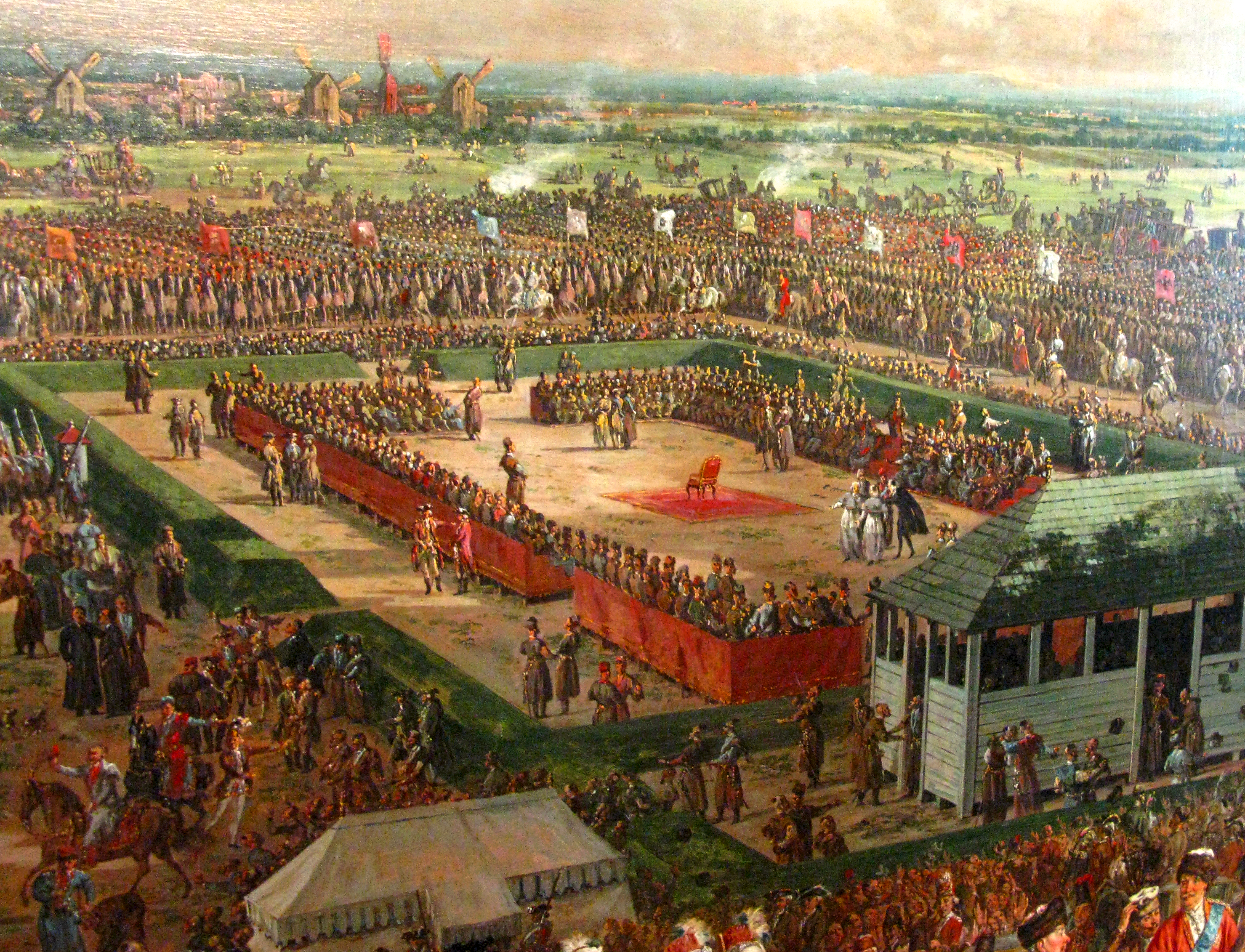
The mechanics of an elective monarchy are as varied as its history. At its core, it involves a defined body of electors—individuals or groups empowered to cast votes for the next monarch. These electors could be high-ranking nobles, religious leaders, or even representatives of different regions or guilds. The qualifications for candidates also differ significantly: some systems allowed any male member of a particular noble house to stand, while others had more stringent criteria, such as religious standing or demonstrated military prowess. The election process itself could range from a formal ballot, to more informal consultations or even hereditary succession within the electoral families, a phenomenon known as 'de facto' hereditary succession. The transition from an elected to a hereditary system was a common evolutionary path, often driven by the desire for stability and the consolidation of power by ruling dynasties, as observed in the Kingdom of Poland's gradual shift towards a more hereditary system despite its formal elective status.
📊 Key Facts & Numbers
Globally, elective monarchies have appeared in numerous forms. Malaysia's rotational monarchy, where nine hereditary state rulers elect a king for a five-year term, showcases a unique blend of tradition and elective principle, with the rotation mechanism established in 1957.
👥 Key People & Organizations
Key figures in the history of elective monarchies are often the electors themselves and the monarchs who navigated these systems. The Prince-Electors of the Holy Roman Empire wielded immense power, shaping imperial succession for centuries. Monarchs like Jan III Sobieski were elected monarchs of the Polish-Lithuanian Commonwealth, celebrated for their military victories. Organizations like the Vatican City State and the Malaysian monarchy are contemporary entities that embody elective principles within their governance structures, demonstrating the system's adaptability.
🌍 Cultural Impact & Influence
Elective monarchies have profoundly shaped political thought and practice, influencing concepts of legitimacy and sovereignty. The idea that a ruler's authority derives from the consent of the governed, even if that consent is limited to a select group, is a foundational element that resonates with later democratic ideals. The debates surrounding the election of monarchs in the Holy Roman Empire and the Polish-Lithuanian Commonwealth contributed to the development of constitutionalism and the separation of powers. The visual and ceremonial aspects of royal elections, from the solemn conclaves of cardinals to the elaborate coronations of elected emperors, have also permeated art, literature, and popular culture, often depicting the drama of succession and the struggle for power. The very notion of a 'chosen king' has been a recurring motif in epic tales and historical narratives, symbolizing justice, merit, and the rejection of arbitrary hereditary claims.
⚡ Current State & Latest Developments
In the 21st century, elective monarchies persist, albeit in varied forms. Malaysia continues its unique rotational system, electing a king every five years from among its nine hereditary state rulers, a practice established in 1957. The Vatican City remains the most prominent example of a modern elective monarchy, with the College of Cardinals electing the Pope in a conclave. While the number of purely elective monarchies is small, the influence of elective principles can be seen in other systems. For instance, the United Arab Emirates operates as a federation of emirates where the rulers elect the president and vice-president from among themselves, a system established in 1971. The ongoing discussions about succession in some hereditary monarchies, particularly during periods of crisis or when direct heirs are absent, sometimes touch upon the theoretical possibility of elective succession, demonstrating the enduring appeal of choice in leadership.
🤔 Controversies & Debates
The primary controversy surrounding elective monarchies centers on the potential for corruption, political instability, and the concentration of power within an elite group of electors. The history of the Holy Roman Empire is replete with examples of electors being bribed or coerced, undermining the legitimacy of the elected emperor. In the Polish-Lithuanian Commonwealth, the liberum veto, a parliamentary procedure that allowed any single member of the Sejm (parliament) to nullify all legislation, often paralyzed the government and made effective royal elections nearly impossible, contributing to the state's eventual partition by neighboring powers in the late 18th century. Critics argue that even with formal elections, the process can become a de facto hereditary succession if electoral families consistently choose their own members, as happened with the Habsburgs and Luxembourgs in the Holy Roman Empire. Furthermore, the exclusion of the general populace from the electoral process raises questions about democratic legitimacy.
🔮 Future Outlook & Predictions
The future of elective monarchies is likely to remain niche, with significant challenges to widespread adoption. However, the underlying principle of chosen leadership may continue to influence discussions on governance. As hereditary monarchies face increasing scrutiny regarding their anachronistic nature
Key Facts
- Category
- history
- Type
- topic