
Contents
Overview
An emergency room (ER), also known as an emergency department (ED), is a critical medical facility within a hospital dedicated to providing immediate, acute care for patients experiencing life-threatening conditions or severe injuries. These departments operate around the clock, serving as a vital entry point for unscheduled medical needs, from heart attacks and strokes to trauma and sudden illnesses. ERs must be equipped to handle a vast array of medical emergencies, often acting as the last line of defense for individuals lacking consistent access to primary healthcare. The sheer volume and unpredictability of cases, coupled with the high stakes involved, make the ER one of the most demanding and dynamic environments in modern medicine, a place where split-second decisions can mean the difference between life and death. The global capacity for emergency care is immense, with millions of patient visits occurring annually across thousands of facilities worldwide.
🎵 Origins & History
The concept of a dedicated space for immediate medical intervention predates modern hospitals. Early forms of emergency care can be traced back to military field hospitals during conflicts like the Napoleonic Wars, where surgeons rapidly treated wounded soldiers. In civilian life, the development of ambulances and trauma surgery in the late 19th and early 20th centuries paved the way for specialized emergency departments. The American College of Surgeons played a pivotal role in establishing standards for trauma care in the 1930s, advocating for organized emergency services. By the mid-20th century, with advancements in CPR and emergency medicine as a specialty, the modern ER began to take shape, evolving from a mere holding area for the critically injured to a sophisticated hub of life-saving technology and expertise.
⚙️ How It Works
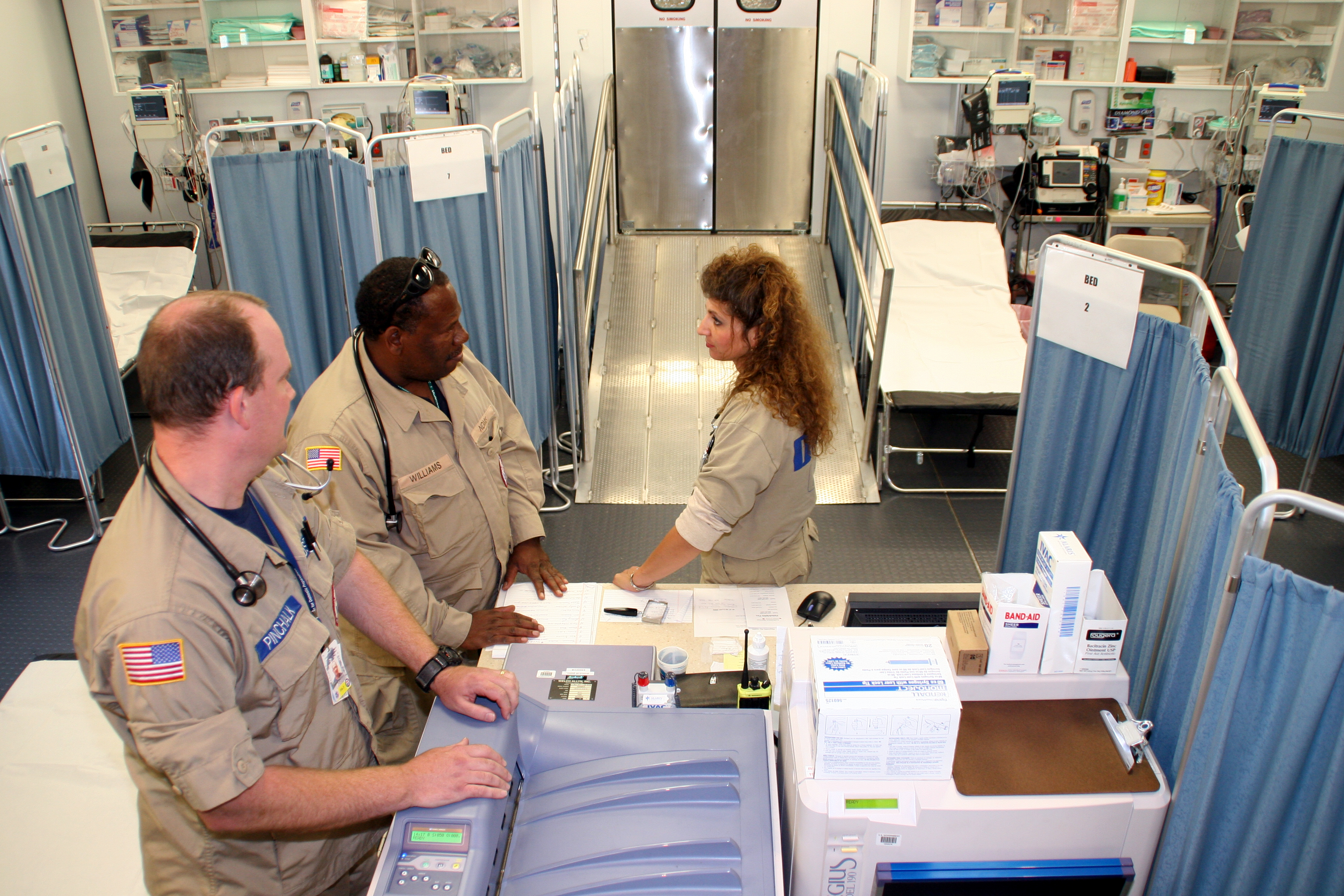
An emergency room functions as a high-acuity, multidisciplinary medical hub designed for rapid patient assessment, stabilization, and treatment. Upon arrival, patients are triaged by nurses based on the severity of their condition, with the most critical cases receiving immediate attention. The department is typically organized into zones: a waiting area, triage stations, examination rooms, resuscitation bays for critically ill patients, and specialized areas for procedures like X-rays or CT scans. A core team of emergency physicians, nurses, paramedics, and support staff work collaboratively, utilizing advanced medical equipment and protocols to manage a wide spectrum of conditions, from acute heart attacks to severe burn injuries.
📊 Key Facts & Numbers
Globally, emergency departments handle an astounding volume of patient encounters. The cost of an emergency room visit in the U.S. has steadily increased over the past two decades. These numbers underscore the immense pressure and demand placed on emergency services worldwide.
👥 Key People & Organizations
Key figures in the development of emergency medicine include Dr. R. Adams Cowley, often called the 'father of trauma care,' who established the first trauma center at the University of Maryland in 1972. Organizations like the ACEP, founded in 1972, and the RCEM in the UK, play crucial roles in setting standards, training physicians, and advocating for the specialty. Major hospital systems such as Mayo Clinic and Cleveland Clinic are renowned for their advanced emergency care capabilities, attracting patients from across the globe. The development of telemedicine platforms is also increasingly involving organizations like Teladoc Health in extending emergency consultations.
🌍 Cultural Impact & Influence
The emergency room has become a powerful cultural icon, frequently depicted in television dramas like ER and Grey's Anatomy, often portraying a heightened sense of drama and heroism. These portrayals, while entertaining, can sometimes create unrealistic expectations about the speed and nature of emergency care. The ER's role as a safety net for the uninsured and underinsured in countries like the United States has also made it a focal point in debates about healthcare policy and access to medical treatment. The stark reality of the ER—the constant influx of patients, the life-or-death decisions, and the emotional toll on staff—has permeated popular culture, solidifying its image as a place of intense human drama and medical urgency.
⚡ Current State & Latest Developments
Current trends in emergency medicine are focused on improving efficiency, patient flow, and access to care. Many ERs are implementing AI-powered triage systems and predictive analytics to better manage patient surges and allocate resources. The rise of urgent care centers has begun to alleviate some of the burden on hospital ERs for non-life-threatening conditions, though these centers are not equipped for severe emergencies. Furthermore, the integration of telehealth services is expanding, allowing for remote consultations and follow-up care, potentially reducing unnecessary ER visits. The ongoing challenge remains balancing the need for immediate care with the rising costs and resource constraints faced by healthcare systems globally.
🤔 Controversies & Debates
Significant controversies surround emergency room operations, particularly concerning patient wait times and access to care. Overcrowding and long waits are persistent issues in many emergency rooms, leading to patient dissatisfaction and potentially worse outcomes. The debate over whether ERs should be the primary point of entry for all medical needs, especially for those without insurance or regular access to primary care physicians, is ongoing. Critics argue that ERs are not designed for chronic disease management and that their use for non-emergencies strains resources. Conversely, proponents emphasize the ER's role as an essential safety net, providing care regardless of a patient's ability to pay, a principle enshrined in legislation like the EMTALA in the United States.
🔮 Future Outlook & Predictions
The future of emergency rooms is likely to be shaped by further technological integration and evolving healthcare models. Expect to see more widespread use of robotic assistants for tasks like sample transport and disinfection, and advanced imaging technologies that provide faster, more detailed results. VR may be employed for pain management and patient distraction. The role of the ER may also shift, with a greater emphasis on specialized 'fast-track' areas for minor ailments and enhanced integration with community health services to manage chronic conditions and prevent future emergencies. The ultimate goal is to create a more efficient, patient-centered system that leverages technology to improve outcomes and manage costs.
💡 Practical Applications
Emergency rooms are indispensable for a wide range of practical applications in healthcare. They serve as the primary point of care for acute medical emergencies such as strokes, heart attacks, sepsis, and severe allergic reactions. They are critical for managing traumatic injuries resulting from accidents, falls, or violence, including fractures, head injuries, and internal bleeding. ERs also provide immediate treatment for acute conditions like appendicitis, pneumonia, and diabetic emergencies. Furthermore, they are essential for public health emergencies, such as outbreaks of infectious diseases like COVID-19 or mass casualty incidents, where they act as command centers for coordinated response.
Key Facts
- Category
- technology
- Type
- topic