
Contents
- ⚕️ What is Endovascular Surgery?
- 🎯 Who is it For?
- 📍 Accessing Endovascular Care
- 💡 Key Procedures & Technologies
- ⚖️ Open vs. Endovascular: The Trade-offs
- 📈 Outcomes & Recovery
- 💰 Cost Considerations
- 🌟 Patient Experiences & Ratings
- 🤔 Navigating Your Options
- 📞 Getting Started
- Frequently Asked Questions
- Related Topics
Overview
Endovascular surgery represents a seismic shift in treating vascular disease, moving interventions from open incisions to the intricate pathways inside blood vessels. Pioneered in the late 20th century, this field utilizes catheters, guidewires, and specialized devices to repair aneurysms, open blocked arteries, and manage vascular malformations with minimal trauma. Procedures like angioplasty, stenting, and stent-graft deployment are now standard for conditions affecting the aorta, peripheral arteries, and even cerebral vasculature. The appeal lies in reduced recovery times, lower complication rates, and the ability to treat complex anatomies previously deemed inoperable. However, challenges remain in long-term device durability, radiation exposure for practitioners, and the need for highly specialized training.
⚕️ What is Endovascular Surgery?
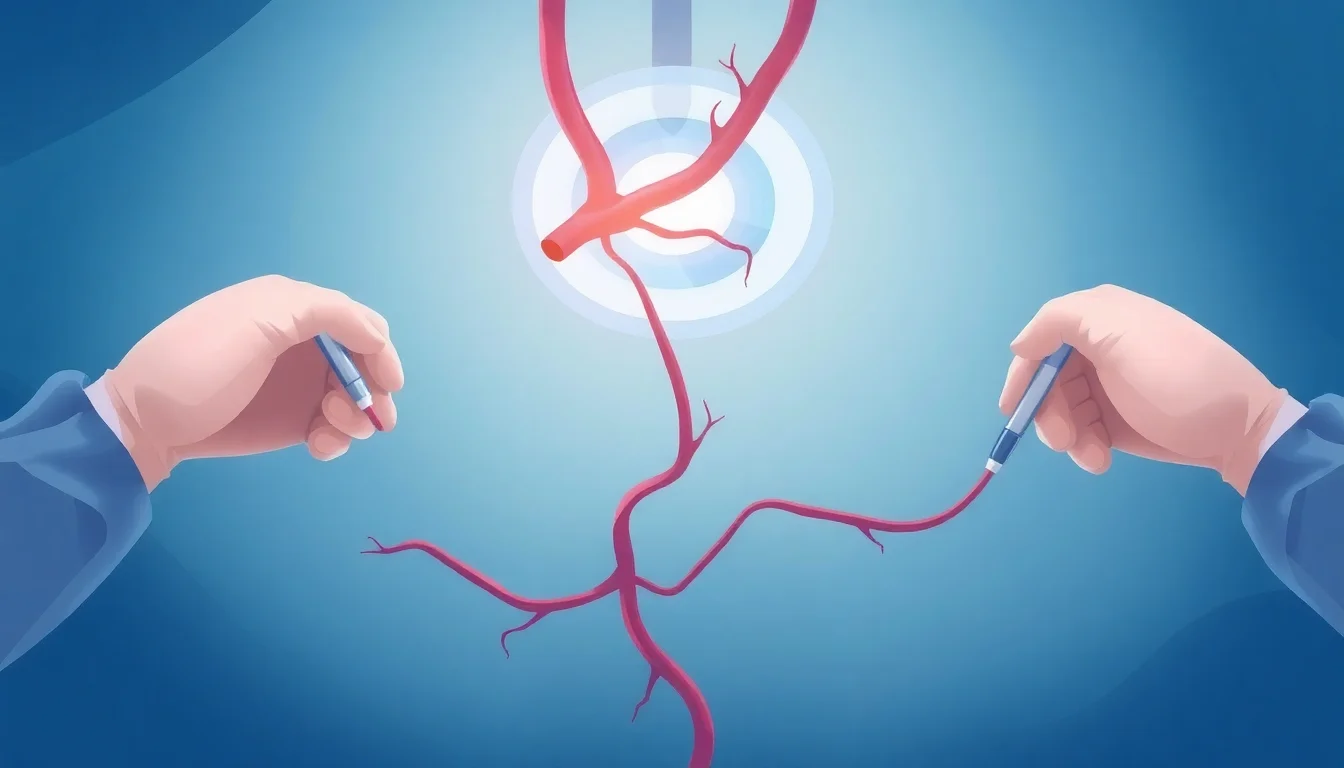
Endovascular surgery represents a significant evolution in treating vascular disease, allowing surgeons to operate from within the blood vessels. This minimally invasive approach, a subspecialty of vascular surgery, relies on catheters, guidewires, and specialized imaging to access and repair arteries and veins. Pioneered in the late 20th century, it has dramatically reduced the need for large incisions, offering a less traumatic alternative to traditional open surgery for a wide range of conditions affecting the circulatory system. The core principle is precision, targeting the problem area through a tiny entry point, often in the groin or arm.
🎯 Who is it For?
This approach is ideal for patients with conditions like peripheral artery disease, abdominal aortic aneurysms, and certain types of stroke or carotid artery disease. It's particularly beneficial for individuals who may be poor candidates for open surgery due to age, comorbidities, or the location of their vascular issue. If you have been diagnosed with a vascular problem that can be accessed via the bloodstream, endovascular options are likely being considered. The goal is to restore normal blood flow with minimal disruption to the body.
📍 Accessing Endovascular Care
Accessing endovascular surgical care typically begins with a referral from your primary care physician or a specialist like a cardiologist or neurologist. You'll likely undergo diagnostic imaging, such as CT angiography or MR angiography, to precisely map the affected vessels. The procedure itself is usually performed in a specialized angiography suite or hybrid operating room within a hospital setting. While not a walk-in service, the accessibility of these procedures has expanded significantly with advancements in medical technology and training.
💡 Key Procedures & Technologies
The toolkit of endovascular surgery is vast and constantly expanding. Key procedures include angioplasty to widen narrowed arteries, stent placement to keep them open, and endovascular aneurysm repair (EVAR) to reinforce weakened arterial walls. Technologies like atherectomy devices remove plaque buildup, while specialized catheters can deliver clot-busting medications directly to blockages. Advanced imaging, including fluoroscopy, is critical for real-time guidance throughout the intervention.
⚖️ Open vs. Endovascular: The Trade-offs
The primary advantage of endovascular surgery over open surgery is its less invasive nature. This often translates to smaller scars, reduced pain, shorter hospital stays, and quicker recovery times. However, open surgery may still be the preferred or only option for certain complex or extensive vascular diseases. The decision between endovascular and open approaches is highly individualized, based on the specific condition, patient anatomy, and surgeon expertise, with outcomes carefully weighed for each case.
📈 Outcomes & Recovery
Outcomes for endovascular procedures are generally excellent, with high success rates for restoring blood flow and preventing complications. Recovery is typically much faster than with open surgery; many patients can go home within 24-48 hours and return to normal activities within a week or two, though strenuous activity may be restricted for longer. Long-term follow-up with imaging is crucial to monitor the treated area and ensure the durability of the repair, as endovascular interventions may require re-treatment over time.
💰 Cost Considerations
The cost of endovascular surgery can vary significantly based on the complexity of the procedure, the devices used (stents, grafts, etc.), and the length of hospital stay. While the upfront cost might appear high due to specialized equipment and materials, the reduced recovery time and shorter hospitalizations can often make it more cost-effective in the long run compared to open surgery. Insurance coverage is generally good for medically necessary endovascular procedures, but it's essential to verify your specific plan details.
🌟 Patient Experiences & Ratings
Patient experiences with endovascular surgery are often positive, with many reporting significant relief from symptoms like leg pain or the threat of rupture. Online reviews and patient testimonials frequently highlight the reduced pain and faster return to daily life as major benefits. However, like any medical procedure, there are risks, and individual outcomes can differ. Seeking out experienced surgeons and facilities with strong track records in endovascular interventions is paramount.
📞 Getting Started
To explore endovascular surgery, the first step is to consult with your physician for a referral to a qualified vascular surgeon or a vascular center. Be prepared to discuss your medical history and symptoms in detail. Once a consultation is scheduled, you'll have the opportunity to ask all your questions and understand the diagnostic and treatment plan. Many hospitals and specialized clinics offer patient education resources online to help you prepare for your appointment.
Key Facts
- Year
- 1964
- Origin
- Charles Dotter performed the first angioplasty, laying the groundwork for endovascular techniques.
- Category
- Medical Procedures
- Type
- Medical Specialty
Frequently Asked Questions
Is endovascular surgery painful?
Endovascular surgery is performed under local anesthesia or sedation, so you won't feel pain during the procedure. Post-procedure, you may experience some discomfort at the puncture site, but it's generally much less severe than the pain associated with open surgery. Pain management is a standard part of recovery.
How long does recovery typically take?
Recovery times vary, but endovascular procedures are known for their rapid healing. Many patients can return to light activities within a few days and resume normal routines within one to two weeks. Strenuous physical activity might be restricted for a longer period, typically 4-6 weeks, to ensure proper healing.
What are the main risks of endovascular surgery?
While generally safe, risks can include bleeding or bruising at the puncture site, blood clots, damage to the blood vessel, allergic reaction to contrast dye, or the need for a repeat procedure. Your surgeon will discuss these potential risks in detail based on your specific condition and health status.
How do I find an experienced endovascular surgeon?
Look for board-certified vascular surgeons with extensive experience in endovascular techniques. Ask your primary doctor or cardiologist for recommendations, and check hospital websites for surgeon profiles and credentials. Don't hesitate to ask potential surgeons about their specific experience with your condition.
Will I need follow-up appointments after the procedure?
Yes, regular follow-up appointments are crucial. These typically involve physical exams and imaging tests (like ultrasound or CT scans) to monitor the treated vessel and ensure the long-term success of the repair. The frequency of follow-ups will be determined by your surgeon.
Can endovascular surgery treat all vascular diseases?
No, endovascular techniques are not suitable for every vascular condition. Some complex or extensive diseases may still require traditional open surgery. The decision depends on the precise nature of the disease, its location, and the patient's overall health.