
Contents
Overview
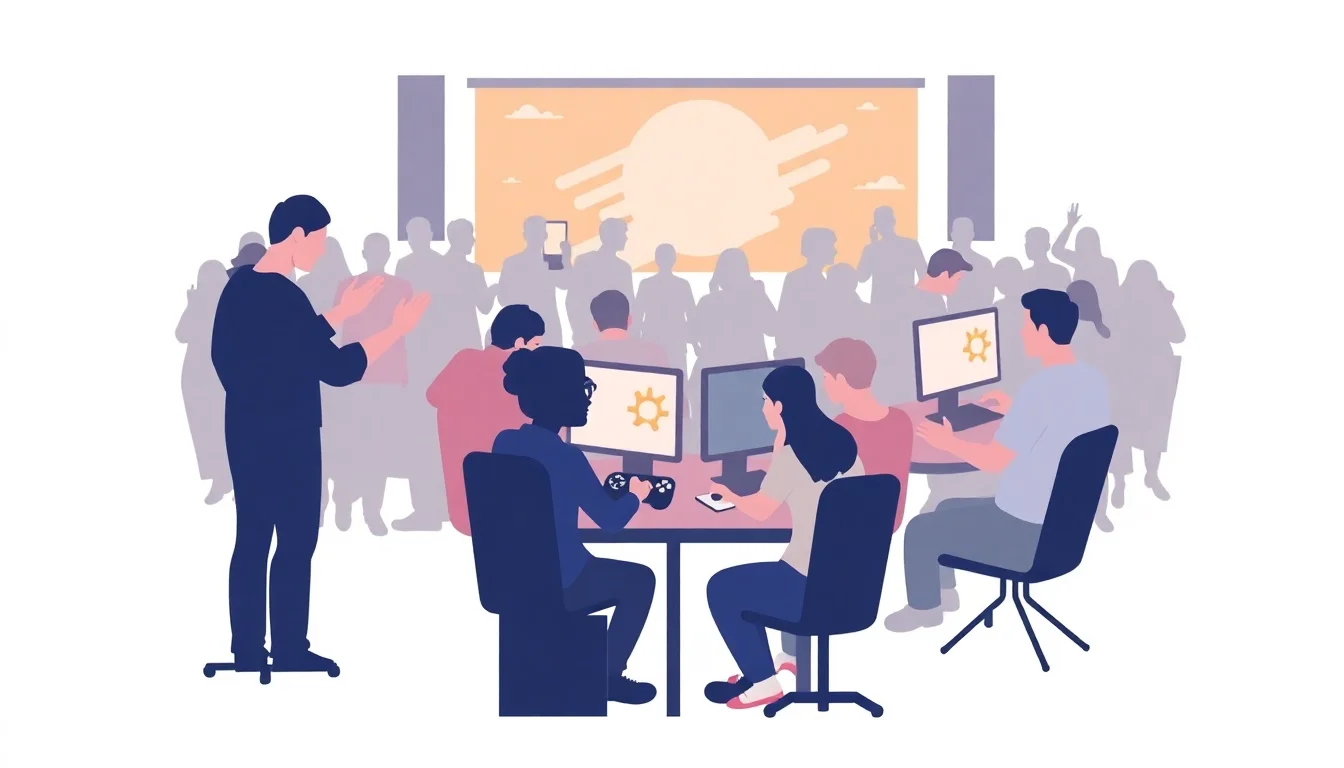
Gaming events encompass a vast spectrum of gatherings centered around video games, ranging from intimate local LAN parties and game jams to massive, multi-day conventions like E3 and professional esports tournaments with millions in prize pools. These events serve as crucial hubs for community building, product reveals, competitive play, and cultural exchange within the global gaming industry. They foster a sense of shared passion, drive innovation through developer showcases, and provide platforms for both aspiring and established players to compete on a grand stage. The scale and impact of gaming events have grown exponentially, mirroring the industry's own expansion, with major tournaments now rivaling traditional sports in viewership and economic significance. From the early days of arcade competitions to the sophisticated broadcasts of modern esports leagues, gaming events are a dynamic force shaping how we play, consume, and connect through video games.
🎵 Origins & History
Local arcades hosted informal competitions for high scores on games like Space Invaders and Pac-Man. These nascent gatherings evolved with the rise of home computing and console gaming, leading to the first organized LAN parties in the late 1980s and early 1990s, allowing players to connect their PCs for multiplayer sessions. Events like QuakeCon showcased intense FPS competitions. Simultaneously, consumer electronics shows like E3 (Electronic Entertainment Expo) began to serve as major industry showcases for new game announcements and hardware. The rise of online gaming paved the way for organized esports leagues and tournaments, such as the CPL, which offered significant prize money and professionalized competitive play.
⚙️ How It Works
Gaming events operate on diverse models, from ticketed conventions and trade shows to free-to-enter community meetups and highly structured professional esports tournaments. Conventions like Gamescom and Tokyo Game Show typically feature publisher booths showcasing upcoming titles, developer panels, playable demos, and sometimes amateur competitions. Esports events, on the other hand, are centered around professional leagues and tournaments for specific games like League of Legends, Dota 2, or Counter-Strike 2. These events involve elaborate stage productions, professional casters and analysts, and often broadcast globally via platforms like Twitch and YouTube. The logistics involve securing venues, managing player registrations, coordinating broadcast production, ensuring stable internet connectivity, and handling ticketing and security for attendees.
📊 Key Facts & Numbers
Major conventions can attract hundreds of thousands of attendees; Gamescom in Cologne, Germany, reported over 370,000 visitors in 2023. Esports tournaments regularly draw millions of concurrent online viewers, with the League of Legends World Championship finals often exceeding 100 million unique viewers. Prize pools for top-tier esports events can be staggering, with The International for Dota 2 surpassing $40 million in 2021. The cost of sponsoring a major esports team or event can range from tens of thousands to millions of dollars annually.
👥 Key People & Organizations
Key figures in the gaming events space include Reed Hastings and Marc Randolph, co-founders of Netflix, whose platform has become a major broadcaster of esports documentaries and series. Gabe Newell, co-founder of Valve, is instrumental through Steam's support of game distribution and events like The International. Organizations like Riot Games (League of Legends), Valve (Dota 2), and Blizzard Entertainment (formerly Overwatch League) are major players in organizing and sponsoring professional leagues. Event organizers such as ESL (formerly Electronic Sports League) and BLAST are crucial for executing large-scale tournaments. Industry bodies like the IGDA also play a role in fostering developer-focused events.
🌍 Cultural Impact & Influence
Gaming events have profoundly shaped the culture surrounding video games, transforming them from a solitary pastime into a spectator sport and a communal experience. They provide a tangible space for fans to connect with their favorite games, developers, and fellow enthusiasts, fostering strong community bonds. The spectacle of esports events has elevated gaming's cultural status, attracting mainstream attention and investment. Furthermore, these events act as powerful marketing engines, driving hype and sales for new game releases and hardware. The cosplay culture at conventions, the shared excitement of esports finals, and the collaborative spirit of game jams all contribute to a rich tapestry of gaming subcultures that extend far beyond the digital realm.
⚡ Current State & Latest Developments
The landscape of gaming events is constantly evolving, driven by technological advancements and shifting player preferences. The rise of decentralized autonomous organizations (DAOs) and blockchain technology is also beginning to influence event organization and ticketing, with potential for fan-owned events and unique digital collectibles. The increasing professionalization of esports continues with new leagues, expanded broadcast rights deals, and greater investment from traditional sports organizations.
🤔 Controversies & Debates
Gaming events are not without their controversies and debates. The immense pressure and demanding schedules in professional esports have raised concerns about player burnout and mental health, leading to discussions about player welfare and unionization. The commercialization of events, with heavy sponsorship from non-endemic brands and the prevalence of loot boxes or gambling-like mechanics in games featured at events, draws criticism regarding potential exploitation, particularly of younger audiences. Accessibility at physical events remains an issue, with debates around ticket pricing, venue accessibility for individuals with disabilities, and the environmental impact of large-scale gatherings. The authenticity of online events versus the 'in-person' experience is also a recurring point of contention.
🔮 Future Outlook & Predictions
The future of gaming events points towards increased integration of virtual and physical experiences, creating 'phygital' events that offer the best of both worlds. Virtual Reality and Augmented Reality technologies are poised to play a larger role, enabling more immersive digital attendance and interactive experiences. Esports will likely continue its trajectory of growth, potentially seeing greater mainstream sports integration, including Olympic consideration. The decentralization of event ownership and management through blockchain and DAOs could empower communities to have a greater say in the events they attend and support. Expect more specialized events catering to niche genres and communities, alongside continued innovation in broadcast production and fan engagement technologies.
💡 Practical Applications
Gaming events serve multiple practical purposes. For developers and publishers, they are critical platforms for marketing, community engagement, and gathering player feedback on upcoming titles. For players, they offer opportunities to compete, socialize, learn new skills, and experience games firsthand. Esports events provide professional careers for players, coaches, casters, and production staff. Game jams, a specific type of gaming event, are crucial for rapid prototyping, fostering innovation, and training new talent in game design and development. Conventions also drive significant economic activity in their host cities through tourism and hospitality.
Key Facts
- Category
- culture
- Type
- topic