
Contents
- 🌎 Introduction to Geological Processes
- 📍 Location & Access to Geological Formations
- 💡 Understanding Tectonic Plate Movement
- 🌋 Volcanic Activity and Land Formation
- 🏔️ Weathering and Erosion Processes
- 📊 Geological Time Scale and Fossil Record
- 👥 Key Players in Geological Research
- 🔍 Comparison with Similar Geological Phenomena
- 💡 Practical Tips for Studying Geological Processes
- 📚 Getting Started with Geological Fieldwork
- 📊 Career Paths in Geology
- 🌐 Staying Updated on Geological Discoveries
- Frequently Asked Questions
- Related Topics
Overview
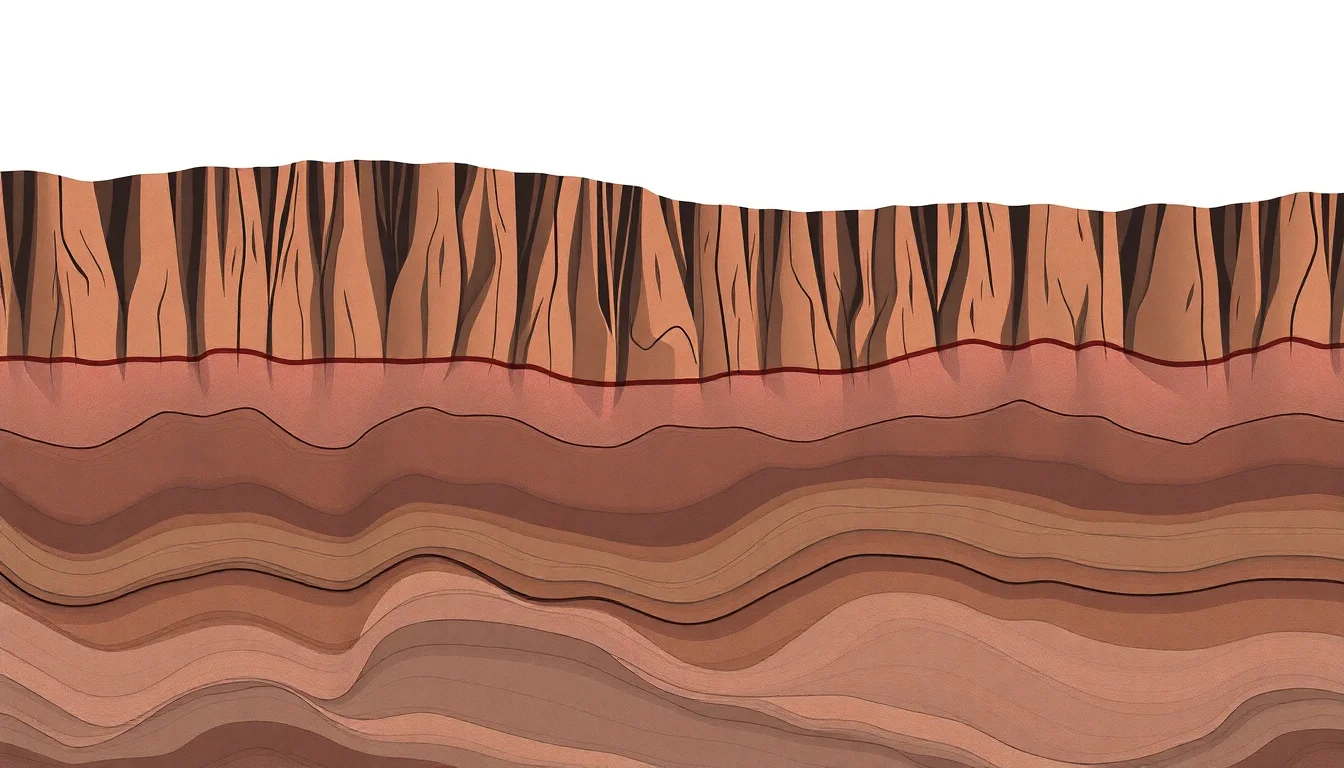
Geological processes have been shaping the Earth's surface for over 4.5 billion years, from the formation of mountains and volcanoes to the creation of oceans and landscapes. These processes, including plate tectonics, weathering, erosion, and deposition, are driven by the movement of the Earth's crust, climate, and other factors. The study of geological processes is crucial for understanding natural hazards, such as earthquakes and landslides, and for managing natural resources, like water and minerals. For example, the Himalayan mountain range was formed as a result of the collision between the Indian and Eurasian tectonic plates, a process that began around 50 million years ago. The Grand Canyon, one of the most iconic landscapes in the United States, was carved out by the Colorado River over millions of years through erosion and weathering. By understanding geological processes, we can better appreciate the dynamic nature of our planet and make informed decisions about how to manage and protect its resources.
🌎 Introduction to Geological Processes
Geological processes have been shaping the Earth's surface for millions of years, resulting in the diverse range of landscapes we see today. From the movement of tectonic plates to the erosion of rocks by water, these processes are essential to understanding the Earth's history. The study of geological processes is crucial for geologists and environmental scientists who aim to understand the Earth's systems and predict future changes. By studying geological formations and rock formations, researchers can gain insights into the Earth's past and present. For example, the study of fossil records can provide valuable information about the Earth's history and the evolution of life.
📍 Location & Access to Geological Formations
Geological formations can be found all over the world, from the Grand Canyon in the United States to the Great Barrier Reef in Australia. These formations are a result of various geological processes, including plate tectonics and weathering and erosion. To access these formations, one can visit national parks or take guided tours with experienced geology guides. The National Park Service in the United States offers a range of educational programs and activities for visitors to learn about geological processes and formations. Additionally, online resources such as geology maps and geological surveys can provide valuable information for researchers and enthusiasts alike.
💡 Understanding Tectonic Plate Movement
Tectonic plate movement is a fundamental process that shapes the Earth's surface. The movement of lithospheric plates can result in the creation of mountain ranges, volcanic activity, and earthquakes. The theory of plate tectonics was first proposed by Alfred Wegener in the early 20th century and has since been widely accepted by the scientific community. Understanding tectonic plate movement is essential for predicting natural hazards such as earthquakes and volcanic eruptions. For example, the study of seismic activity can help scientists predict the likelihood of earthquakes in a given region.
🌋 Volcanic Activity and Land Formation
Volcanic activity is another important geological process that shapes the Earth's surface. Volcanic eruptions can create new landforms, such as volcanic islands, and can also affect the surrounding environment. The study of volcanology is crucial for understanding the risks and benefits associated with volcanic activity. For instance, the USGS monitors volcanic activity in the United States and provides updates on volcanic eruptions and their potential impacts. Additionally, the study of volcanic ash can provide valuable information about the Earth's climate and the effects of volcanic eruptions on the environment.
🏔️ Weathering and Erosion Processes
Weathering and erosion are two closely related geological processes that shape the Earth's surface. Weathering refers to the breakdown of rocks into smaller particles, while erosion refers to the removal of these particles by water, wind, or ice. The study of weathering and erosion is essential for understanding the formation of landforms and the creation of sedimentary rocks. For example, the study of glacial erosion can provide valuable information about the Earth's climate and the formation of glacial landforms.
📊 Geological Time Scale and Fossil Record
The geological time scale is a fundamental concept in geology that helps scientists understand the Earth's history. The time scale is divided into eons, eras, and periods, each representing a specific period of time. The study of fossil records is crucial for understanding the evolution of life on Earth and the Earth's history. For instance, the discovery of dinosaurs and other fossil species has provided valuable information about the Earth's past and the evolution of life. Additionally, the study of geologic time scale can help scientists understand the Earth's climate and the formation of geological formations.
👥 Key Players in Geological Research
There are many key players in geological research, including geologists, paleontologists, and geophysicists. These scientists use a range of techniques, including rock dating and seismic surveying, to understand the Earth's systems and predict future changes. For example, the work of Charles Lyell and Charles Darwin has had a significant impact on our understanding of the Earth's history and the evolution of life. Additionally, organizations such as the Geological Society of America and the American Geophysical Union provide valuable resources and support for geological researchers.
🔍 Comparison with Similar Geological Phenomena
Geological processes are similar to other geological phenomena, such as geomorphology and hydrology. However, geological processes are unique in that they involve the movement of tectonic plates and the formation of geological formations. For example, the study of landslides and rockfalls can provide valuable information about the stability of slopes and the risks associated with geological hazards. Additionally, the study of geochemistry can help scientists understand the Earth's systems and predict future changes.
💡 Practical Tips for Studying Geological Processes
To study geological processes, it is essential to have a strong foundation in geology and earth sciences. Students can start by taking courses in introductory geology and earth systems. Additionally, participating in fieldwork and research projects can provide valuable hands-on experience and help students develop their skills and knowledge. For example, the National Science Foundation provides funding for research projects and fieldwork opportunities in geology and earth sciences.
📚 Getting Started with Geological Fieldwork
Getting started with geological fieldwork requires a range of skills and knowledge, including rock identification and geological mapping. Students can start by participating in field camps and research expeditions to gain hands-on experience. Additionally, online resources such as geology blogs and geological surveys can provide valuable information and support for geological researchers. For instance, the USGS provides a range of online resources and tools for geological researchers, including geology maps and geological data.
📊 Career Paths in Geology
There are many career paths in geology, including research geologist, environmental consultant, and geology teacher. Geologists can work in a range of industries, including mining, oil and gas, and environmental consulting. For example, the work of geologists in the mining industry has helped to identify new mineral deposits and develop more sustainable mining practices. Additionally, the study of geochemistry can help scientists understand the Earth's systems and predict future changes.
🌐 Staying Updated on Geological Discoveries
To stay updated on geological discoveries, it is essential to follow reputable sources, such as scientific journals and geology blogs. Additionally, attending conferences and workshops can provide valuable opportunities for networking and learning about the latest developments in geology. For instance, the Geological Society of America hosts an annual conference that brings together geologists and earth scientists from around the world to share their research and discuss the latest developments in the field.
Key Facts
- Year
- 2022
- Origin
- Earth's Formation
- Category
- Geology
- Type
- Natural Phenomenon
Frequently Asked Questions
What is the difference between weathering and erosion?
Weathering refers to the breakdown of rocks into smaller particles, while erosion refers to the removal of these particles by water, wind, or ice. Weathering and erosion are two closely related geological processes that shape the Earth's surface. For example, the study of glacial erosion can provide valuable information about the Earth's climate and the formation of glacial landforms. Additionally, the study of weathering and erosion can help scientists understand the formation of landforms and the creation of sedimentary rocks.
What is the geological time scale?
The geological time scale is a fundamental concept in geology that helps scientists understand the Earth's history. The time scale is divided into eons, eras, and periods, each representing a specific period of time. The study of fossil records is crucial for understanding the evolution of life on Earth and the Earth's history. For instance, the discovery of dinosaurs and other fossil species has provided valuable information about the Earth's past and the evolution of life.
What are the different types of geological processes?
There are several types of geological processes, including tectonic plate movement, volcanic activity, weathering and erosion, and glaciation. These processes shape the Earth's surface and are essential for understanding the Earth's systems and predicting future changes. For example, the study of tectonic plate movement can help scientists understand the formation of mountain ranges and the creation of earthquakes. Additionally, the study of volcanic activity can provide valuable information about the risks and benefits associated with volcanic eruptions.
What is the importance of geological research?
Geological research is essential for understanding the Earth's systems and predicting future changes. Geologists use a range of techniques, including rock dating and seismic surveying, to understand the Earth's history and the evolution of life. For instance, the work of geologists in the mining industry has helped to identify new mineral deposits and develop more sustainable mining practices. Additionally, the study of geochemistry can help scientists understand the Earth's systems and predict future changes.
How can I get started with geological fieldwork?
To get started with geological fieldwork, it is essential to have a strong foundation in geology and earth sciences. Students can start by taking courses in introductory geology and earth systems. Additionally, participating in fieldwork and research projects can provide valuable hands-on experience and help students develop their skills and knowledge. For example, the National Science Foundation provides funding for research projects and fieldwork opportunities in geology and earth sciences.
What are the career paths in geology?
There are many career paths in geology, including research geologist, environmental consultant, and geology teacher. Geologists can work in a range of industries, including mining, oil and gas, and environmental consulting. For instance, the work of geologists in the mining industry has helped to identify new mineral deposits and develop more sustainable mining practices. Additionally, the study of geochemistry can help scientists understand the Earth's systems and predict future changes.
How can I stay updated on geological discoveries?
To stay updated on geological discoveries, it is essential to follow reputable sources, such as scientific journals and geology blogs. Additionally, attending conferences and workshops can provide valuable opportunities for networking and learning about the latest developments in geology. For instance, the Geological Society of America hosts an annual conference that brings together geologists and earth scientists from around the world to share their research and discuss the latest developments in the field.