
Contents
- 🚀 What is Gerontechnology?
- 🏠 Housing & Smart Homes for Seniors
- 🚶♀️ Mobility Aids & Wearables
- 💬 Communication & Social Connection Tools
- 🧠 Cognitive Support & Entertainment
- ⚖️ The Ethics & Accessibility Debate
- 📈 Market Trends & Future Outlook
- 💡 Getting Started with Gerontech
- Frequently Asked Questions
- Related Topics
Overview
Gerontechnology, a field born from the recognition of aging populations, focuses on developing and applying technologies to enhance the quality of life for older adults. It spans a broad spectrum, from assistive devices and smart home solutions designed for independent living to digital health platforms and robotics aimed at improving care and social connection. The core aim is to address the physical, cognitive, and social challenges of aging, fostering autonomy, safety, and well-being. While promising significant benefits, the field grapples with issues of accessibility, affordability, user adoption, and ethical considerations surrounding data privacy and autonomy. As global demographics continue to skew older, gerontechnology is poised to become an increasingly critical sector, reshaping how we approach aging and elder care.
🚀 What is Gerontechnology?
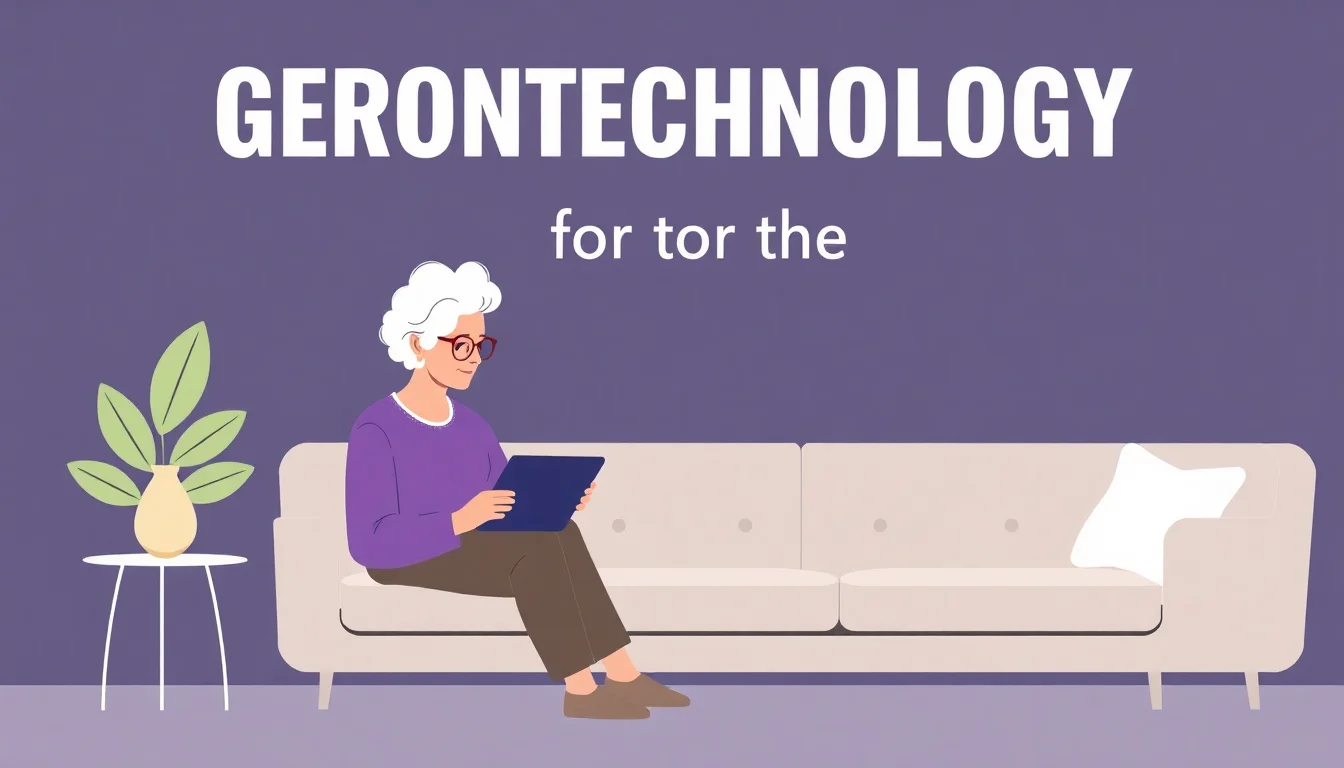
Gerontechnology, often now rebranded as AgeTech or Agetech, is the strategic application of technology to enhance the lives of older adults. It's not just about gadgets; it’s a holistic approach to matching technological environments with the evolving needs of an aging population. Think of it as engineering for independence, safety, and social engagement, aiming to ensure that as people age, their living spaces and tools adapt to them, rather than the other way around. This field draws from gerontology, engineering, design, and healthcare to create solutions for everything from daily living to specialized care, fostering a more sustainable and inclusive society for all ages. The core principle is to empower seniors to live autonomously and participate fully in life, regardless of their health status.
🏠 Housing & Smart Homes for Seniors
Smart home technology is a cornerstone of gerontechnology, transforming traditional residences into supportive environments. These systems can range from simple Voice Assistants like Amazon Echo or Google Home, which can control lights, thermostats, and even make calls, to more sophisticated integrated systems. Features like automated lighting that responds to movement, smart locks for enhanced security, and fall detection sensors integrated into the home infrastructure are becoming increasingly common. The goal is to create a living space that proactively supports safety and comfort, reducing the burden of daily tasks and providing peace of mind for both seniors and their families. This focus on Inclusive Design ensures that technology serves, rather than complicates, the aging process within the home.
🚶♀️ Mobility Aids & Wearables
Mobility is a critical concern for many older adults, and gerontechnology offers a growing array of solutions. This includes advanced Mobility Scooters and powered wheelchairs with improved maneuverability and comfort, as well as wearable devices that monitor gait, balance, and detect falls. Smart canes with built-in sensors can alert caregivers to potential issues, while exoskeletons, though still largely in the research phase, promise to restore or augment physical capabilities. The integration of GPS tracking in these devices also provides an added layer of safety, allowing for quick location of individuals who may wander. These innovations aim to maintain independence and reduce the risk of injury, enabling seniors to navigate their environments with greater confidence.
🧠 Cognitive Support & Entertainment
Cognitive health is another area where gerontechnology is making significant inroads. Digital tools designed for Cognitive Training offer engaging exercises and games that can help maintain or improve memory, attention, and problem-solving skills. Personalized digital assistants can provide reminders for medication, appointments, and daily routines, reducing cognitive load. Furthermore, entertainment technologies are being adapted; for instance, curated streaming services with accessible interfaces or even VR experiences designed to evoke pleasant memories can provide mental stimulation and enjoyment. The aim is to keep the mind active and engaged, supporting cognitive vitality throughout later life.
⚖️ The Ethics & Accessibility Debate
The rapid advancement of gerontechnology is not without its controversies and challenges, particularly concerning digital divide and accessibility. While the potential benefits are immense, ensuring that these technologies are affordable and usable by all seniors, regardless of their socioeconomic status or technical proficiency, remains a significant hurdle. There are ongoing debates about data privacy and security, especially with the proliferation of connected devices collecting sensitive personal information. Furthermore, the ethical implications of relying on technology for care and companionship are complex, raising questions about human connection and the potential for over-reliance. Addressing these issues is crucial for the equitable and responsible deployment of gerontechnology.
📈 Market Trends & Future Outlook
The AgeTech market is experiencing exponential growth, projected to reach hundreds of billions of dollars globally within the next decade. This surge is driven by an aging global population, increased awareness of the benefits of technology, and significant investment from venture capital firms and established tech companies. Innovations are rapidly evolving, moving beyond basic assistive devices to encompass AI-powered health monitoring, personalized wellness platforms, and sophisticated robotics for elder care. Companies like CarePredict and GrandPad are leading the charge, but the landscape is becoming increasingly competitive. The future promises even more integrated and proactive solutions, potentially reshaping how we approach aging and long-term care.
💡 Getting Started with Gerontech
Getting started with gerontechnology involves a few practical steps. First, assess the specific needs of the older adult: is the focus on safety, communication, mobility, or cognitive engagement? Research available assistive technologies that directly address these needs, looking for user-friendly interfaces and reliable performance. Consider consulting with healthcare professionals or gerontology experts for personalized recommendations. When selecting products, prioritize ease of use, clear instructions, and strong customer support. Many companies offer free trials or demonstrations, which can be invaluable before making a purchase. Finally, ensure that the chosen technology integrates well with existing routines and is embraced by the user, rather than feeling like an imposition.
Key Facts
- Year
- 1990
- Origin
- The term 'gerontechnology' was first coined by Dutch researcher Dr. Hans-Werner Wahl in the early 1990s, stemming from the convergence of gerontology (the study of aging) and technology.
- Category
- Technology & Society
- Type
- Field of Study/Industry
Frequently Asked Questions
What's the difference between Gerontechnology and AgeTech?
Gerontechnology is the broader, academic term that emerged first, focusing on the interdisciplinary study of technology for aging. AgeTech (or Agetech) is a more recent, market-driven term, particularly popular in Europe and the US since the 2010s, often used by companies and investors to describe the commercial products and services within this space. While the underlying goals are similar—enhancing the lives of older adults through technology—AgeTech often implies a more direct consumer or business-to-business product focus.
Are these technologies expensive?
The cost of gerontechnology varies widely. Basic assistive devices like simple reminder apps or voice assistants can be relatively inexpensive or even free. However, more advanced systems, such as integrated smart home security, advanced mobility aids, or comprehensive health monitoring platforms, can represent a significant investment. It's important to research specific products and compare features against cost, and to look for potential government subsidies or insurance coverage where applicable.
How do I ensure my elderly parent will actually use the technology?
User adoption is key. Involve the older adult in the selection process as much as possible, explaining the benefits in terms they understand and value. Start with simple, intuitive devices and gradually introduce more complex ones. Ensure clear, patient training and ongoing support. Sometimes, a peer recommendation or seeing a friend use and benefit from a technology can be more persuasive than family suggestions. Focus on how the technology solves a problem for them or enhances their independence and enjoyment.
What are the privacy concerns with gerontechnology?
Many gerontech devices, especially smart home systems and wearables, collect personal data, including health metrics, location, and daily routines. This raises concerns about data security and how this information is stored, used, and potentially shared. It's crucial to research the privacy policies of any device or service you consider. Look for companies that prioritize data encryption, offer clear control over data sharing, and have a strong track record of security. Understanding who has access to the data and for what purpose is paramount.
Can gerontechnology replace human caregivers?
Gerontechnology is designed to augment, not replace, human care. While technologies can automate tasks, provide monitoring, and enhance safety, they cannot replicate the empathy, emotional support, and complex decision-making that human caregivers provide. The goal is to empower seniors to live more independently and to support caregivers by reducing their workload and providing them with better insights into the well-being of the person they are caring for. The ideal scenario involves a blend of technology and human interaction.
Where can I find reliable reviews or comparisons of gerontech products?
Finding unbiased reviews can be challenging. Look for reputable consumer review sites that focus on technology for seniors, or publications from gerontology organizations. Websites of aging advocacy groups and AARP often provide product guides and reviews. Additionally, tech review sites that have specific sections on accessibility or elder care can be useful. Be wary of overly promotional content and seek out reviews that discuss real-world usability and long-term reliability.