
Contents
- 🎵 Origins & History
- ⚙️ How It Works
- 📊 Key Facts & Numbers
- 👥 Key People & Organizations
- 🌍 Cultural Impact & Influence
- ⚡ Current State & Latest Developments
- 🤔 Controversies & Debates
- 🔮 Future Outlook & Predictions
- 💡 Practical Applications
- 📚 Related Topics & Deeper Reading
- Frequently Asked Questions
- References
- Related Topics
Overview
The genesis of headphones can be traced back to the late 19th century, driven by the burgeoning telephone industry's need for private communication. Nathaniel Baldwin is widely credited with inventing the first practical pair of headphones around 1910, reportedly assembling them in his kitchen and selling them to the U.S. Navy. Prior to this, early attempts included Thomas Edison's phonograph receivers in the 1880s, which were more akin to small ear trumpets. The 1920s saw the commercialization of headphones for radio listening, with companies like Western Electric producing models for home use. The post-World War II era brought further refinement, with the introduction of stereo sound and more comfortable designs, laying the groundwork for the personal audio revolution spearheaded by brands like Sony and Sennheiser in the latter half of the 20th century.
⚙️ How It Works
At their core, headphones function as electroacoustic transducers. An electrical audio signal, typically from a smartphone, computer, or audio player, is fed into the headphone's drivers. These drivers contain a diaphragm, a voice coil, and a magnet. The electrical current from the audio signal flows through the voice coil, generating a fluctuating magnetic field that interacts with the permanent magnet. This interaction causes the voice coil and the attached diaphragm to vibrate, pushing and pulling the air to create sound waves that mimic the original electrical signal. Different driver technologies, such as dynamic, balanced armature, and planar magnetic, employ variations on this principle to achieve distinct sound characteristics and efficiencies.
📊 Key Facts & Numbers
The global headphone market is colossal, projected to reach over $37.6 billion by 2027, with shipments already exceeding 350 million units in 2022. Wireless headphones, particularly Bluetooth earbuds, now dominate sales, accounting for over 60% of the market share. The average selling price for premium noise-canceling headphones can range from $250 to $400, while basic wired models can be found for under $20. Over 80% of consumers report using headphones daily, with music streaming services like Spotify and Apple Music being the primary audio sources for an estimated 70% of headphone users worldwide.
👥 Key People & Organizations
Key figures in headphone development include Nathaniel Baldwin, whose early 20th-century designs were foundational. JVC engineer Philo Farnsworth (though more known for television) also contributed to audio transducer technology. Sony's introduction of the Walkman in 1979, alongside its accompanying lightweight headphones, democratized portable music. Sennheiser, founded by Fritz Sennheiser in 1945, has consistently pushed the boundaries of audio fidelity. More recently, Apple's AirPods have redefined the true wireless earbud market, while companies like Bose and Sony lead in active noise cancellation technology.
🌍 Cultural Impact & Influence
Headphones have profoundly reshaped cultural consumption and social interaction. They enabled the rise of portable music players like the iPod and Walkman, turning commutes and public spaces into personal concert halls. This 'privatization' of sound has been both liberating and isolating, allowing for deep immersion in audio content but also potentially reducing public awareness and shared auditory experiences. The ubiquity of headphones in media, from music videos to film, has cemented them as a symbol of individual focus, artistic expression, and modern urban life. Furthermore, the rise of podcasting and audiobooks, facilitated by accessible headphones, has created new avenues for learning and entertainment.
⚡ Current State & Latest Developments
The current headphone landscape is dominated by true wireless stereo (TWS) earbuds, with advancements focusing on improved battery life, enhanced active noise cancellation (ANC), and spatial audio features. Apple's AirPods Pro and Sony's WF-1000XM5 are prime examples of this trend. Integration with AI assistants, such as Siri and Google Assistant, is becoming standard, allowing for voice control of devices and information retrieval. Wearable technology is also expanding, with some headphones incorporating health tracking sensors for heart rate and activity monitoring, blurring the lines between audio devices and personal wellness gadgets.
🤔 Controversies & Debates
A significant debate surrounds the potential health impacts of prolonged headphone use, particularly regarding hearing damage from high volumes. The World Health Organization estimates that over 1 billion young people are at risk of hearing loss due to unsafe listening practices. Another controversy involves the environmental impact of disposable earbuds and the complex recycling processes for lithium-ion batteries found in wireless models. Furthermore, the ethical implications of pervasive ANC technology, which can disconnect users from their surroundings, are frequently discussed in urban planning and public safety contexts. The proprietary nature of some wireless audio codecs also sparks debate among audiophiles regarding sound quality and interoperability.
🔮 Future Outlook & Predictions
The future of headphones points towards even deeper integration with augmented reality (AR) and virtual reality (VR) systems, potentially serving as primary audio interfaces for immersive digital experiences. Expect advancements in bone conduction technology for even more unobtrusive audio delivery and enhanced situational awareness. Personalized audio, driven by AI that adapts sound profiles to individual hearing and preferences, is likely to become mainstream. Furthermore, the development of 'smart' headphones with advanced health monitoring capabilities, including non-invasive glucose monitoring or stress level detection, is a strong possibility, positioning them as central hubs for personal data and well-being management.
💡 Practical Applications
Headphones are indispensable across numerous domains. In professional audio, they are critical for mixing, mastering, and monitoring sound quality by engineers and musicians. For remote work and online education, they are essential for clear communication and focused learning, particularly with the rise of Zoom and Microsoft Teams. Gamers rely on them for immersive soundscapes and competitive advantage. Athletes use them for motivation and communication during training. Even in healthcare, specialized headphones are used for audiometry testing and auditory rehabilitation. Their ability to isolate sound makes them invaluable in noisy environments, from construction sites to busy offices.
Key Facts
- Year
- c. 1910 (practical invention)
- Origin
- United States
- Category
- technology
- Type
- product
Frequently Asked Questions
What is the primary function of headphones?
The primary function of headphones is to deliver audio signals directly to a user's ears, enabling private listening. They act as electroacoustic transducers, converting electrical audio signals into sound waves. This allows individuals to listen to music, podcasts, calls, or other audio content without disturbing others nearby, unlike loudspeakers which emit sound into the open environment.
How have headphones evolved from their invention?
Headphones have evolved dramatically since Nathaniel Baldwin's early designs around 1910. Initially bulky and wired, they became more comfortable and stereo-capable by the mid-20th century. The advent of portable music players like the Sony Walkman in 1979 spurred the development of smaller, lighter models. The 21st century has seen the rise of Bluetooth connectivity, active noise cancellation (ANC) pioneered by Bose, and the miniaturization into true wireless earbuds like Apple's AirPods, fundamentally changing their form factor and functionality.
What are the main types of headphones available today?
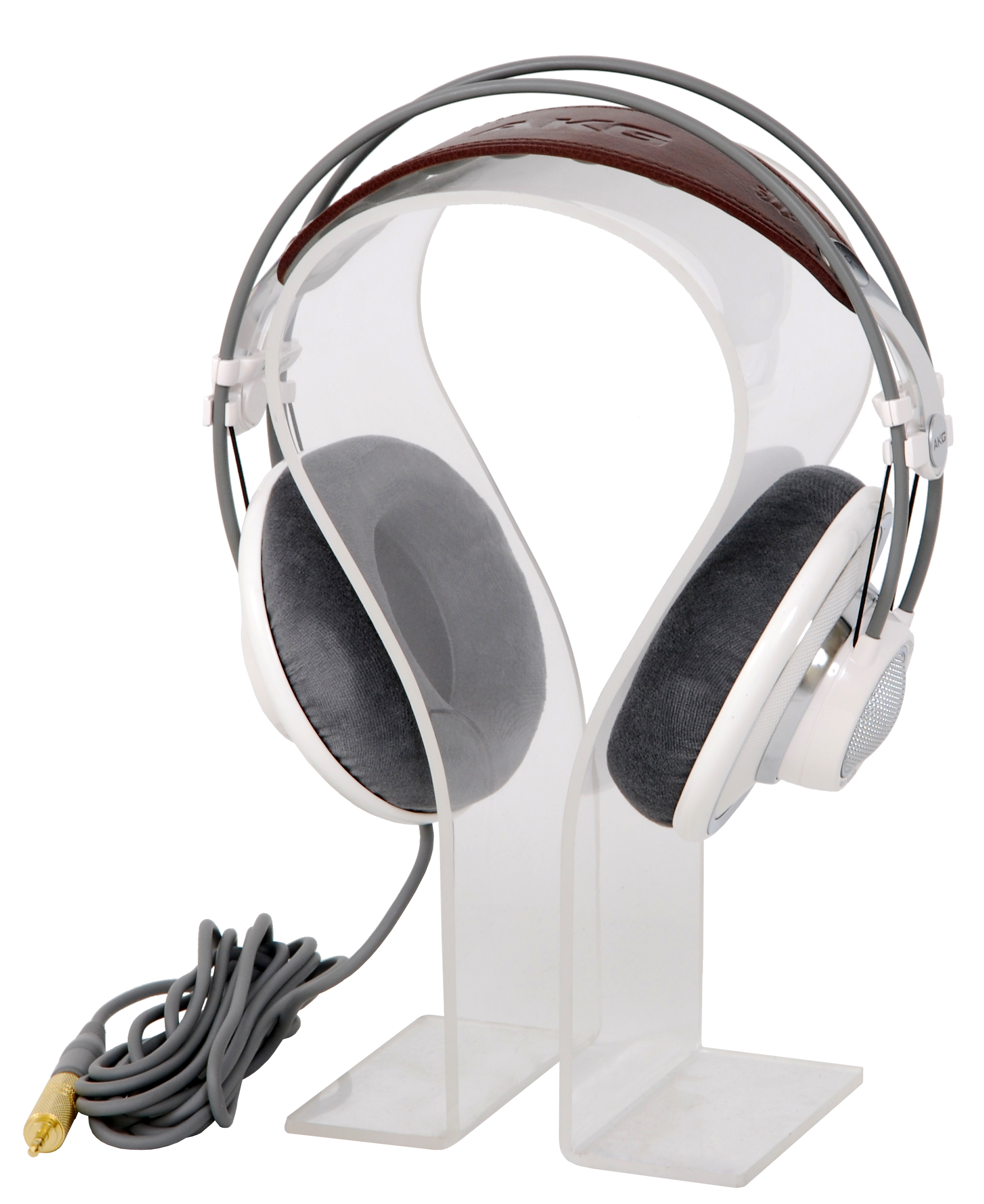
Today's market offers several primary headphone types: over-ear (circumaural) headphones that fully enclose the ear, on-ear (supra-aural) headphones that rest on the ear, in-ear monitors (IEMs) or earbuds that fit inside the ear canal, and true wireless stereo (TWS) earbuds which are completely wire-free. Bone conduction headphones, which transmit sound through the skull, are another distinct category, leaving the ear canal open for ambient awareness.
What are the health risks associated with using headphones?
The most significant health risk is noise-induced hearing loss, which can occur from prolonged exposure to high volume levels. The World Health Organization recommends listening at no more than 60% of maximum volume for no more than 60 minutes per day. Other potential concerns include ear infections from unhygienic earbuds and reduced situational awareness, which can increase the risk of accidents in environments requiring attention to surroundings.
Are wireless headphones safe compared to wired ones?
Wireless headphones use Bluetooth technology, which emits radiofrequency (RF) energy. The levels emitted are generally considered very low, well below established safety limits set by regulatory bodies like the FCC. While research into the long-term effects of low-level RF exposure is ongoing, current scientific consensus suggests that the RF energy from wireless headphones does not pose a significant health risk. Wired headphones, by contrast, do not emit RF energy.
How can I choose the best headphones for my needs?
Consider your primary use case: for critical listening and audio production, wired, open-back headphones from brands like Sennheiser or Beyerdynamic might be best. For commuting and travel, noise-canceling over-ear or TWS earbuds from Sony or Bose are excellent. For exercise, look for sweat-resistant, secure-fitting earbuds. Budget is also a factor, with prices ranging from under $20 for basic models to over $400 for premium ANC or audiophile-grade options. Reading reviews from reputable tech sites like Rtings.com can also guide your decision.
What is the future of headphone technology likely to involve?
The future points towards deeper integration with augmented reality and virtual reality for immersive experiences. Expect advancements in personalized audio, where AI tailors sound to individual hearing profiles, and improved health monitoring features, potentially tracking vital signs. Further miniaturization and battery efficiency for TWS earbuds are also anticipated, alongside more sophisticated noise-cancellation and transparency modes that seamlessly blend digital audio with the real world.