
Contents
Overview
Identifying the pivotal figures who shape, disseminate, and influence the ever-shifting currents of online culture is crucial for understanding the modern digital landscape. These aren't just content creators; they are the architects of memes, the catalysts of discourse, and the nodes through which Vibe scores propagate. From the anonymous forum moderators who cultivate niche communities to the celebrity influencers who broadcast trends to millions, each plays a distinct role. Understanding their motivations, reach, and the networks they inhabit provides a critical lens for decoding the dynamics of internet phenomena. This guide highlights the essential archetypes and specific individuals whose actions demonstrably alter the digital zeitgeist.
🗺️ What is Internet Cultural Cartography?
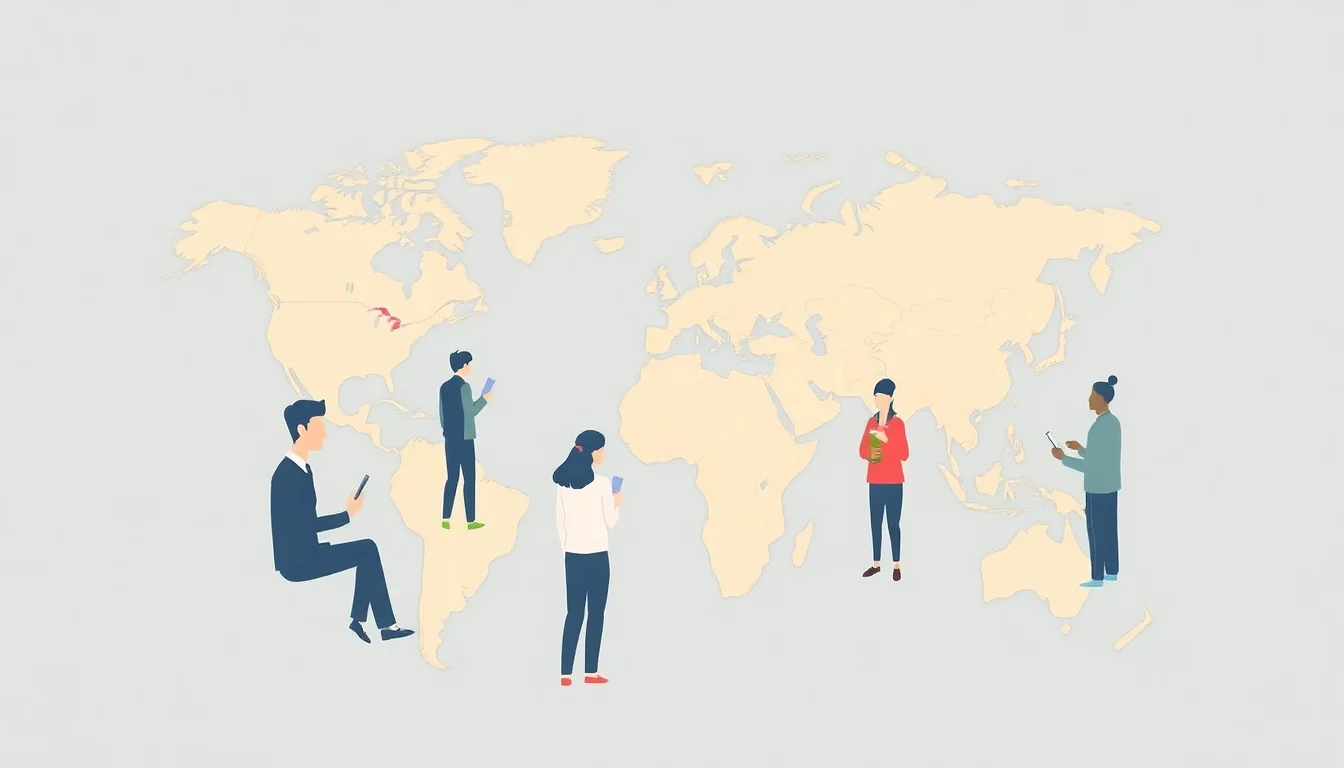
Internet Cultural Cartography is the ongoing, dynamic process of mapping the sprawling, ever-shifting landscape of online subcultures, memes, ideologies, and communities. It's less about static borders and more about understanding the flows of influence, the emergence of new 'vibes,' and the complex relationships between seemingly disparate online groups. Think of it as creating a living atlas for the digital age, charting not just where people are, but why they gather and what cultural energy they generate. This field is crucial for understanding everything from the rise of new political movements to the evolution of internet slang.
👤 Who Are the Cartographers?
The 'cartographers' themselves are a diverse bunch, ranging from academic researchers and investigative journalists to independent data analysts, meme archaeologists, and even dedicated community members who meticulously document their own digital spaces. They employ a variety of methods, from qualitative ethnography and deep forum dives to quantitative analysis of social media trends and network mapping. Their work often appears on platforms like Vibepedia, academic journals, and specialized blogs, aiming to provide a coherent picture of online phenomena that often defy easy categorization. The best cartographers possess a keen eye for emergent patterns and a deep understanding of internet vernacular.
💡 Key Concepts & Tools
Central to this practice are concepts like Vibe Scores, which attempt to quantify the cultural energy and resonance of a particular meme, community, or trend, and Influence Flows, which trace how ideas and aesthetics propagate across different online territories. Tools employed can range from sophisticated AI-driven sentiment analysis and network visualization software to simple, yet effective, manual cataloging of forum threads and social media exchanges. Understanding these conceptual frameworks is key to deciphering the maps created by these digital explorers. The goal is always to move beyond surface-level observations to grasp the underlying cultural mechanics.
📈 Vibe Scores & Influence Flows
Vibe Scores are Vibepedia's proprietary metric for measuring the cultural momentum and resonance of online phenomena, rated on a scale of 0-100. High scores indicate widespread adoption and significant cultural impact, while low scores suggest niche appeal or waning relevance. Influence Flows map the pathways through which ideas, trends, and cultural artifacts spread, identifying key nodes and vectors of dissemination. This allows us to see how a meme originating on TikTok might find its way to a niche Reddit community, or how a philosophical concept discussed on Twitter can shape discourse in a Discord server. Analyzing these flows reveals the interconnectedness of the digital world.
🤔 Controversy Spectrum
The Controversy Spectrum measures how debated a topic or entity is within the broader internet culture. A topic with a high controversy score, for instance, might involve heated debates about its origins, ethical implications, or societal impact. Conversely, a low controversy score suggests general consensus or a lack of significant disagreement. For example, the origins of certain internet memes are often highly debated, placing them on the higher end of the spectrum, while widely accepted internet slang terms would fall on the lower end. Understanding this spectrum helps gauge the stability and acceptance of various online cultural elements.
🌟 Notable Cartographers to Watch
Keep an eye on individuals like Meme_Historian_X, whose meticulous archival work on early internet humor has provided invaluable context for understanding contemporary meme culture. Also, Data_Savant_Y's innovative use of network analysis to map the spread of political disinformation on platforms like Facebook offers critical insights into digital propaganda. Furthermore, the collective efforts of anonymous groups like the 'Digital Ethnographers Collective' in documenting the linguistic evolution of niche gaming communities are essential for a comprehensive cultural map. Their ongoing contributions are shaping our understanding of online social dynamics.
🛠️ How to Map Your Own Vibe
Mapping your own digital vibe is an accessible entry point into cultural cartography. Start by identifying communities or topics that genuinely interest you, whether it's a specific Twitch stream, a particular Substack newsletter, or a recurring theme on 4chan. Observe the language used, the recurring jokes, the shared values, and the points of contention. Document these observations, perhaps in a personal wiki or a dedicated notebook. Consider how your own engagement fits into the broader patterns you're seeing. This personal exploration can reveal micro-cultures and influence flows that are often overlooked by larger-scale analyses.
📚 Further Reading & Resources
For those seeking to deepen their understanding, the Vibepedia Wiki itself serves as a foundational resource, offering detailed entries on countless subcultures, memes, and influential figures. Academic works on Digital Anthropology and Network Theory provide theoretical frameworks. Following investigative journalists who specialize in internet culture, such as those at The Verge or Wired, offers real-time case studies. Exploring the archives of early internet forums like Usenet can also provide invaluable historical context for understanding the evolution of online communication and community formation.
Key Facts
- Year
- 2024
- Origin
- Vibepedia.wiki
- Category
- Internet Culture & Subcultures
- Type
- Resource Guide
Frequently Asked Questions
What's the difference between internet cultural cartography and simply tracking trends?
Trend tracking often focuses on surface-level popularity and virality, like 'what's hot right now.' Cultural cartography goes deeper, aiming to understand the 'why' and 'how' – the underlying structures, ideologies, and relationships that give rise to trends and communities. It's about mapping the ecosystem, not just observing the weather.
Is this field only for academics or tech professionals?
Absolutely not. While academics and data scientists contribute significantly, anyone with a keen interest in online culture can engage in cartography. Dedicated community members, hobbyists, and even casual observers can contribute valuable insights by documenting and analyzing the spaces they inhabit online.
How can I measure the 'vibe' of a community I'm part of?
Observe the common language, inside jokes, recurring themes, and the general sentiment expressed. Note the intensity of engagement during specific discussions or events. Are people passionate, apathetic, or divided? Documenting these qualitative aspects can help you gauge the community's overall cultural energy and its unique 'vibe.'
Are there ethical considerations in mapping internet cultures?
Yes, significant ones. Cartographers must consider privacy, consent, and the potential for misrepresentation. Anonymity in certain online spaces is often a deliberate choice, and exposing individuals or communities without careful consideration can have real-world consequences. Responsible cartography prioritizes ethical data collection and analysis.
How do I find reliable sources for internet cultural analysis?
Look for sources that cite their methods, whether qualitative or quantitative. Academic research, reputable tech journalism, and well-documented analyses on platforms like Vibepedia are good starting points. Be wary of purely anecdotal evidence or sources with clear biases that aren't acknowledged.
Can I use this mapping to predict future internet trends?
While not a crystal ball, understanding influence flows and the dynamics of emergent communities can provide strong indicators of future trends. By identifying nascent subcultures and tracking the propagation of new ideas, one can make informed predictions about where cultural energy is likely to coalesce next.