
Contents
- 🍄 What Exactly Is Koji?
- 📜 A Thousand-Year History
- 🔬 The Science Behind the Magic
- 🥢 Koji in the Kitchen: Beyond Soy Sauce
- 🌎 Global Reach, Local Roots
- 💡 Cultivating Your Own Koji
- 🤔 Koji vs. Other Fermentation Starters
- 📈 The Future of Koji
- ⚠️ Common Koji Misconceptions
- 🌟 Vibepedia's Koji Vibe Score
- Frequently Asked Questions
- Related Topics
Overview
Koji, scientifically known as Aspergillus oryzae, is a filamentous fungus that serves as the cornerstone of many East Asian fermented foods. Its enzymatic power breaks down starches into sugars and proteins into amino acids, creating complex flavors, aromas, and textures. From the savory depth of soy sauce and miso to the delicate sweetness of sake and mirin, koji's influence is profound and pervasive. Understanding its cultivation and application is key to mastering traditional fermentation techniques and innovating in modern cuisine. This guide provides a practical overview for those looking to explore the transformative potential of this remarkable mold.
🍄 What Exactly Is Koji?
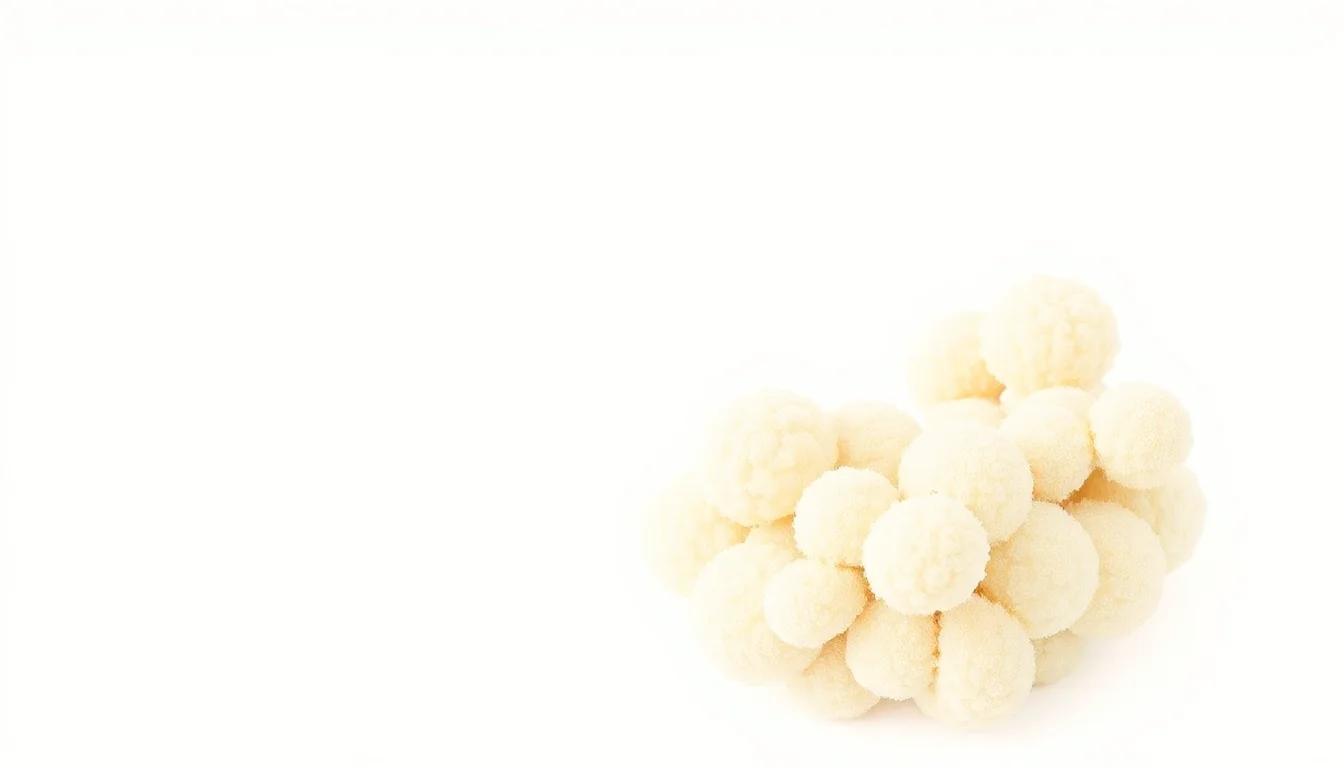
Koji, scientifically known as Aspergillus oryzae, is a filamentous fungus that forms the very bedrock of many East Asian fermented foods. It's not just a mold; it's a culinary catalyst, an enzymatic powerhouse that transforms humble ingredients into complex, umami-rich delicacies. Think of it as the microscopic artisan responsible for the depth of flavor in miso, the savory punch of soy sauce, and the delicate sweetness of sake. For home cooks and professional chefs alike, understanding koji unlocks a universe of flavor transformation, moving beyond simple preservation to active flavor creation.
📜 A Thousand-Year History
The history of koji is deeply intertwined with the development of East Asian civilizations, stretching back over two millennia. While its precise origins are debated, evidence points to its domestication in China before spreading to Korea and Japan. By the Heian period (794-1185) in Japan, koji cultivation was well-established, integral to the production of essential foodstuffs. This ancient practice has been passed down through generations, evolving from household traditions to sophisticated industrial processes, yet retaining its core cultural significance.
🔬 The Science Behind the Magic
At its heart, koji is an enzymatic marvel. The Aspergillus oryzae mold secretes a potent cocktail of enzymes, primarily amylases and proteases. Amylases break down complex carbohydrates (starches) into simpler sugars, providing both sweetness and fuel for yeast in fermentation. Proteases, on the other hand, break down proteins into amino acids, most notably glutamic acid, which is the source of the profound umami taste. Lipases also contribute by breaking down fats, adding further layers of aroma and flavor complexity.
🥢 Koji in the Kitchen: Beyond Soy Sauce
While traditionally associated with Japanese staples like shoyu and amazake, koji's applications in the modern kitchen are exploding. Chefs are using it to create dry-aged meats with unparalleled tenderness and flavor, to cure vegetables, to make unique vinegars, and even to enhance desserts with subtle sweetness and aroma. Koji can be used to make a 'koji butter' that elevates any dish, or to create a 'koji cure' for fish, imparting a delicate, savory depth. Its versatility is limited only by culinary imagination.
🌎 Global Reach, Local Roots
Koji's influence is undeniably global, yet its most profound expressions remain rooted in East Asian culinary traditions. Japan, in particular, has elevated koji cultivation to an art form, with distinct regional variations and specialized producers. However, the growing interest in fermentation and artisanal food production has seen koji gain traction in Western kitchens, with dedicated producers and enthusiasts emerging in North America and Europe. This global spread is fostering innovation while also raising questions about authenticity and appropriation.
💡 Cultivating Your Own Koji
Cultivating your own koji at home is an achievable, albeit meticulous, endeavor. It typically involves inoculating steamed grains, such as rice or barley, with koji spores or a pre-made koji starter. These inoculated grains are then incubated under specific temperature and humidity conditions for 24-48 hours, allowing the mold to grow and spread. Success requires careful attention to hygiene to prevent contamination by undesirable microbes, and a reliable incubator or a well-controlled environment.
🤔 Koji vs. Other Fermentation Starters
Compared to other fermentation starters like yeast or lactic acid bacteria, koji operates on a different enzymatic principle. While yeast primarily converts sugars to alcohol and carbon dioxide, and lactic acid bacteria produce lactic acid for preservation and tang, koji's strength lies in its ability to break down complex molecules into simpler, flavor-enhancing compounds. This makes it less about simple preservation and more about active flavor development and umami creation, often working in concert with yeast and bacteria in complex ferments.
📈 The Future of Koji
The future of koji is bright and dynamic. We're seeing a surge in research exploring its potential beyond food, including applications in biotechnology and pharmaceuticals due to its enzymatic properties. In the culinary world, expect continued innovation in its use, with chefs pushing boundaries and home cooks embracing DIY fermentation. The challenge will be to balance this global expansion with respect for its cultural origins and to ensure sustainable and ethical production practices.
⚠️ Common Koji Misconceptions
A common misconception is that koji is simply 'moldy rice' or that any mold can be used for fermentation. This is dangerously inaccurate. Aspergillus oryzae is a specific, domesticated strain, cultivated for its desirable enzymatic activity and safety. Other molds can be toxic or produce off-flavors, rendering food inedible or harmful. Furthermore, koji is not just about mold growth; it's about the controlled enzymatic transformation of substrates, a nuanced process distinct from simple spoilage.
🌟 Vibepedia's Koji Vibe Score
Vibepedia's Koji Vibe Score is a 92/100. This score reflects koji's profound cultural impact, its indispensable role in global cuisine, its fascinating scientific underpinnings, and its burgeoning potential for innovation. It represents a near-perfect fusion of ancient tradition and modern culinary exploration, a true cornerstone of fermented flavor that continues to inspire and delight.
Key Facts
- Year
- Circa 300 BCE (estimated)
- Origin
- Ancient China
- Category
- Food Science & Culinary Arts
- Type
- Ingredient/Process
Frequently Asked Questions
Is koji safe to eat?
Yes, Aspergillus oryzae, the specific mold used for food fermentation, is considered safe and is even Generally Recognized As Safe (GRAS) by the FDA. It's crucial, however, to use only Aspergillus oryzae for food purposes. Other molds can be toxic. Commercially produced koji starters or carefully cultivated homemade koji are safe when handled properly.
What's the difference between koji and mold?
Koji is a specific, domesticated species of mold, Aspergillus oryzae, carefully selected and cultivated for its beneficial enzymatic properties in food fermentation. 'Mold' is a general term for a wide variety of fungi, many of which are not suitable or are even harmful for consumption. Think of it like the difference between a specific breed of dog and 'animal' – one is a precise, useful entity, the other is a broad category.
Can I use any type of grain for koji?
While rice and barley are the most traditional and widely used grains for koji, other grains and even legumes can be used. The choice of grain affects the final flavor and texture of the fermented product. For example, rice koji is often sweeter and milder, while barley koji can be more robust and earthy. Experimentation is key, but starting with recommended grains is advisable.
How long does it take to make koji?
The incubation period for growing koji on grains typically ranges from 24 to 48 hours. During this time, the mold colonizes the grains, producing the essential enzymes. After this initial growth phase, the koji is ready to be used in further fermentation processes, which can take days, weeks, or even months depending on the desired product, like miso or soy sauce.
Where can I buy koji or koji starters?
Koji and koji starters (spores or pre-inoculated grains) are increasingly available online from specialized fermentation suppliers and Asian grocery stores. Many artisanal food producers also sell their own koji products. For home cultivation, purchasing a reliable koji starter kit is often the easiest and most successful way to begin.