
Contents
Overview
The Lucerne Festival was founded in 1938 by Ernest Ansermet and Walter Schulthess, with the goal of bringing together renowned musicians and orchestras to perform in the picturesque city of Lucerne, Switzerland. Over the years, the festival has grown in stature, with Michael Haefliger taking over as executive and artistic director in 1999. Haefliger has been instrumental in shaping the festival's programming, which features a diverse range of classical music performances, from chamber music to symphonic concerts, showcasing the talents of esteemed ensembles such as the Berlin Philharmonic and the Vienna Philharmonic.
⚙️ How It Works
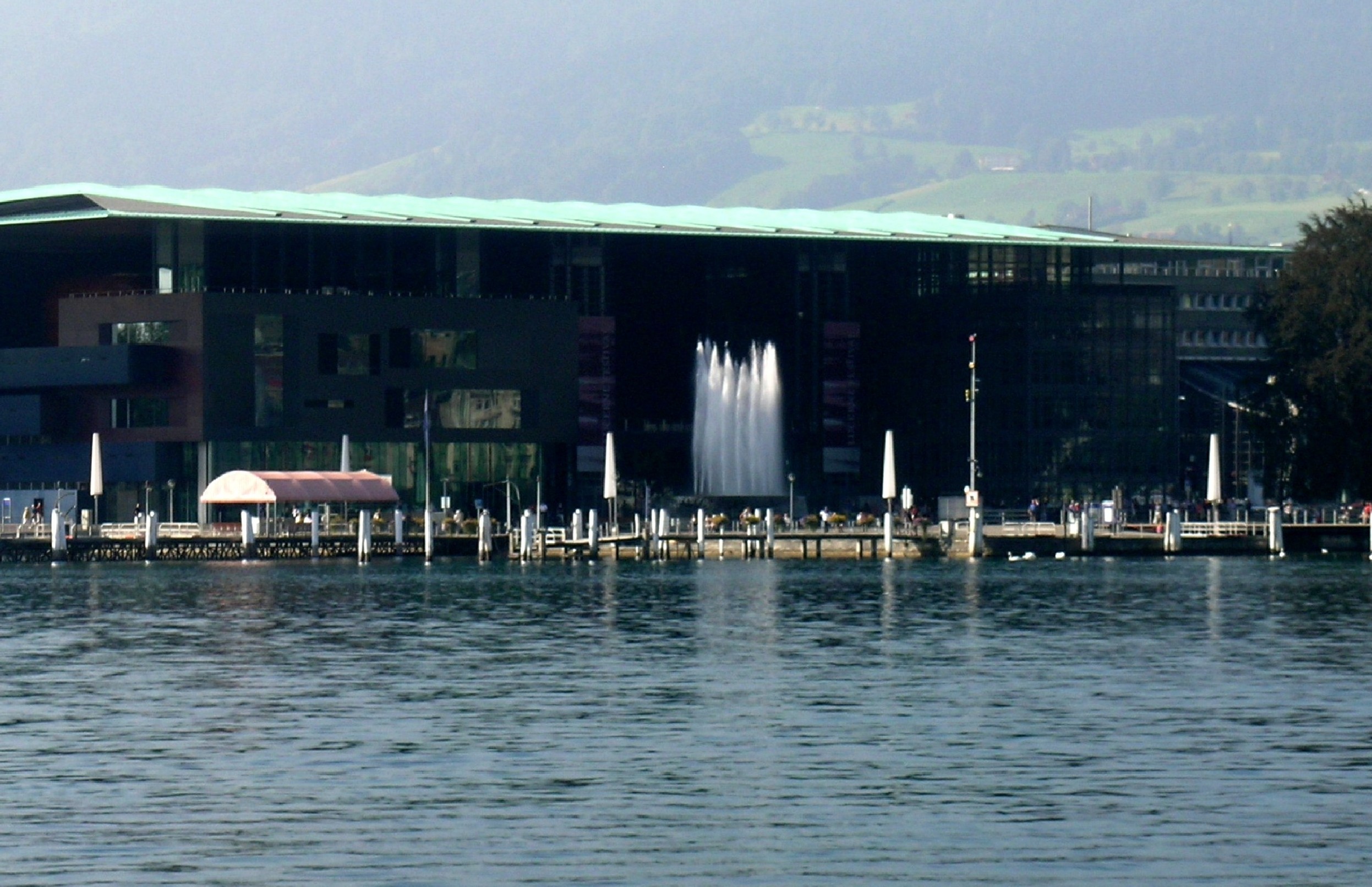
The Lucerne Festival operates on a unique model, with three festivals taking place throughout the year. The central festival, which occurs in the summer, is the largest and most prominent, featuring approximately 100 concerts and related events at the Lucerne Culture and Congress Centre (KKL), designed by the acclaimed architect Jean Nouvel. This festival brings together a wide range of artists, including resident orchestras and soloists, as well as guest performances from international ensembles and artists, such as the New York Philharmonic and the London Symphony Orchestra. The festival's programming is carefully curated to showcase a diverse range of classical music, from traditional repertoire to contemporary works, and has featured collaborations with notable artists such as Anne-Sophie Mutter and Lang Lang.
🌍 Cultural Impact
The Lucerne Festival has had a profound impact on the cultural landscape of Lucerne and beyond. It has become a premier destination for classical music lovers, attracting visitors from around the world. The festival has also played a significant role in promoting Swiss culture, with many Swiss musicians and ensembles featured in the programming. The festival's influence can be seen in the work of other cultural institutions, such as the Swiss Chamber Music Festival and the Zurich Opera House. Furthermore, the festival has collaborated with other notable cultural events, such as the Salzburg Festival and the Bayreuth Festival, to promote classical music and cultural exchange.
🔮 Legacy & Future
As the Lucerne Festival looks to the future, it is poised to continue its legacy as a leading international classical music festival. With Sebastian Nordmann set to take over as director in 2026, the festival is likely to evolve and adapt to changing musical trends and audience preferences. The festival's commitment to showcasing a diverse range of classical music, from traditional repertoire to contemporary works, will undoubtedly continue to attract audiences and inspire new generations of musicians. As the festival continues to grow and thrive, it will remain a vital part of the cultural landscape of Lucerne and a premier destination for classical music lovers around the world, alongside other notable festivals such as the Edinburgh International Festival and the Montreux Jazz Festival.
Key Facts
- Year
- 1938
- Origin
- Lucerne, Switzerland
- Category
- culture
- Type
- event
Frequently Asked Questions
What is the Lucerne Festival?
The Lucerne Festival is a premier international classical music festival held in Lucerne, Switzerland, featuring a diverse range of classical music performances, from chamber music to symphonic concerts. It was founded in 1938 by Ernest Ansermet and Walter Schulthess, and has since become a leading destination for classical music lovers, with notable performances by ensembles such as the Berlin Philharmonic and the Vienna Philharmonic.
Who are some notable performers at the Lucerne Festival?
The Lucerne Festival has featured a wide range of renowned musicians and ensembles, including Anne-Sophie Mutter, Lang Lang, the New York Philharmonic, and the London Symphony Orchestra. The festival's programming is carefully curated to showcase a diverse range of classical music, from traditional repertoire to contemporary works, and has collaborated with other notable cultural events, such as the Salzburg Festival and the Bayreuth Festival.
What is the significance of the Lucerne Festival?
The Lucerne Festival has had a profound impact on the cultural landscape of Lucerne and beyond, promoting Swiss culture and showcasing a diverse range of classical music. It has become a premier destination for classical music lovers, attracting visitors from around the world, and has played a significant role in promoting cultural exchange and collaboration, with partnerships with institutions such as the Swiss Chamber Music Festival and the Zurich Opera House.
Who is the current director of the Lucerne Festival?
The current director of the Lucerne Festival is Michael Haefliger, who has been in the position since 1999. However, starting in 2026, Sebastian Nordmann will take over as director, bringing new vision and leadership to the festival. The festival's commitment to showcasing a diverse range of classical music will undoubtedly continue under Nordmann's direction, with a focus on innovation and collaboration, as seen in the festival's past partnerships with ensembles such as the Berlin Philharmonic and the Vienna Philharmonic.
What can I expect from a visit to the Lucerne Festival?
A visit to the Lucerne Festival offers a unique and enriching cultural experience, with a diverse range of classical music performances, from intimate chamber music concerts to grand symphonic performances. The festival takes place in the stunning city of Lucerne, Switzerland, with its picturesque lakeside setting and rich cultural heritage. Visitors can expect to experience world-class music, stunning architecture, and a vibrant cultural atmosphere, with opportunities to engage with the festival's programming and artists, such as through workshops and masterclasses with ensembles like the New York Philharmonic and the London Symphony Orchestra.