
Contents
Overview
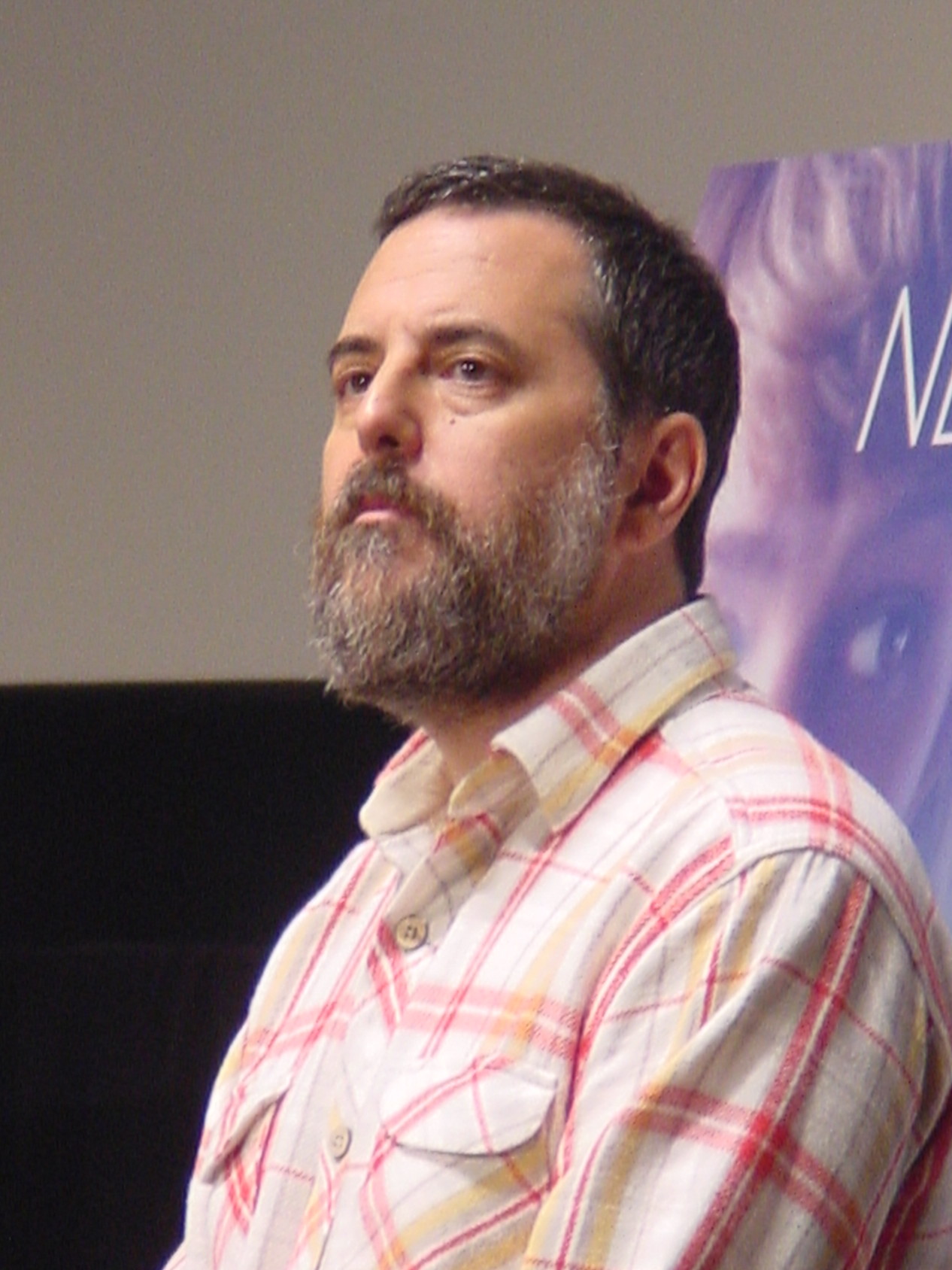
Mark Romanek's artistic journey began in Chicago, Illinois. His early fascination with visual storytelling led him to Ithaca College, specifically its Roy H. Park School of Communications, from which he graduated. This foundational education in film and media provided him with the technical and theoretical underpinnings for his future career. Romanek's initial forays into directing were primarily in commercials, where he honed his distinctive visual language—a blend of stark realism and unsettling atmosphere. This period also saw him developing his skills as a photographer, a discipline that would continue to inform his cinematic approach, emphasizing composition, light, and shadow. His early commercial work for brands like Levi's and Nike hinted at the stylistic innovations that would soon define his music video career.
⚙️ How It Works
Romanek's directorial methodology is characterized by a meticulous attention to detail and a commitment to psychological depth. He often employs a minimalist aesthetic, stripping away extraneous elements to focus on the emotional core of a narrative or performance. His use of stark lighting, often high-contrast and dramatic, creates a palpable sense of unease or intensity, drawing viewers into the characters' internal states. Romanek is known for his precise framing and deliberate camera movements, which guide the viewer's eye and underscore thematic elements. He frequently collaborates closely with cinematographers and production designers to achieve a specific, often unsettling, visual tone. This approach is evident in his iconic music video for Nine Inch Nails' "Closer," which utilized a claustrophobic, industrial aesthetic to amplify the song's raw sensuality and aggression.
📊 Key Facts & Numbers
Romanek's prolific career boasts an impressive tally of awards and recognitions. He has directed twenty MTV Video Music Awards throughout his career. Among these are multiple awards for Best Direction, including his win for Jay-Z's "99 Problems" in 2004. His work has also been honored with three Grammy Awards for Best Short Form Music Video. The music video for Johnny Cash's "Hurt," a cover of a Nine Inch Nails song, was ranked the greatest music video of all time by NME in 2011 and the second greatest by Rolling Stone in 2021. His feature film One Hour Photo premiered at the Sundance Film Festival in 2002, and Never Let Me Go was released in 2010, receiving critical acclaim.
👥 Key People & Organizations
Beyond his personal creative output, Romanek has influenced a generation of directors and artists. His early collaborators and peers, such as David Fincher and Spike Jonze, also pushed the boundaries of visual storytelling in the late 20th and early 21st centuries. Romanek's work has been frequently cited by directors working in both music videos and feature films. The production company Radical Media has been a frequent partner for many of his commercial and music video projects. His distinctive style has also been emulated by numerous emerging directors seeking to capture a similar emotional resonance and visual polish. The RIAA has recognized the commercial success of many of the music videos he has directed.
🌍 Cultural Impact & Influence
Romanek's impact on visual culture is undeniable, particularly within the music video medium, which he elevated from promotional tool to an art form. His videos for artists like Michael Jackson's "Scream" (co-directed with Stan Winston) are not merely accompaniments to songs but standalone cinematic experiences. The stark, often unsettling, psychological narratives he crafted resonated deeply with audiences and critics, influencing the aesthetic of music television and online video platforms like YouTube. His transition to feature films, with works like One Hour Photo, demonstrated his ability to translate his visual and thematic concerns to longer formats, earning him praise for his ability to create palpable tension and explore complex character studies. His influence can be seen in the stylized visuals of contemporary directors and the enduring popularity of his music video catalog.
⚡ Current State & Latest Developments
In recent years, Romanek has continued to direct television episodes, showcasing his adaptability across different narrative structures and visual demands. His work on Tales from the Loop garnered significant attention for its unique blend of sci-fi wonder and poignant human drama, further cementing his reputation for visually arresting and emotionally resonant storytelling. While he has not directed a feature film since 2010, his ongoing television work and continued presence in the directorial landscape suggest a sustained interest in exploring diverse narrative platforms. Romanek remains an active and respected figure in the visual arts, with his work continuing to be studied and admired.
🤔 Controversies & Debates
One of the persistent debates surrounding Romanek's work centers on the perceived bleakness or darkness inherent in many of his projects. Critics sometimes question whether his signature minimalist and often unsettling aesthetic overshadows the emotional content, leading to a viewing experience that can be alienating for some. Conversely, fans and many critics argue that this very darkness is essential to the profound psychological exploration that defines his art, allowing for a deeper engagement with complex human emotions and societal anxieties. The reception of his film Never Let Me Go, while largely positive, also sparked discussions about its melancholic tone and its implications for themes of humanity and existence. The controversy often lies in the subjective interpretation of his visual choices and their emotional impact.
🔮 Future Outlook & Predictions
The future for Mark Romanek likely involves continued exploration of narrative television, where his distinctive visual style and thematic depth can find fertile ground. While a return to feature filmmaking is always a possibility, the current media landscape favors episodic storytelling for directors with a strong auteur voice. One could anticipate Romanek tackling projects that allow for intricate world-building and character-driven narratives, potentially in the science fiction or psychological thriller genres, areas where he has previously excelled. His continued engagement with visual arts, perhaps through photography or new media projects, is also probable. The enduring appeal of his music video work suggests that new generations will continue to discover and be influenced by his groundbreaking contributions to the medium.
💡 Practical Applications
Romanek's work has direct practical applications across several industries. In the music industry, his music videos set a benchmark for visual artistry, influencing countless artists and labels in their promotional strategies. For brands, his commercial work demonstrates how powerful visual storytelling can create lasting brand identity and emotional connection, as seen in campaigns for Apple and Pepsi. In television, his episodes for series like Tales from the Loop showcase how a director's unique vision can elevate an entire series, influencing production design, cinematography, and overall tone. His films, such as One Hour Photo, serve as case studies in psychological thrillers, offering insights into character development and suspense-building techniques for aspiring filmmakers and screenwriters. His photography also finds application in editorial and fine art contexts.
Key Facts
- Category
- aesthetics
- Type
- topic