
Contents
Overview
Maurice White was the visionary architect behind Earth, Wind & Fire, a band that transcended musical genres and cultural boundaries. From the late 1960s through the 2010s, White helmed the group, crafting a unique sonic identity that blended funk, soul, jazz, rock, disco, and pop into an irresistible, uplifting force. His spiritual and astrological leanings infused the band's music with profound lyrical themes, creating anthems that spoke of love, unity, and cosmic consciousness, earning them a place in the Rock and Roll Hall of Fame in 2000.
White's distinctive falsetto, innovative arrangements, and keen ear for melody made Earth, Wind & Fire one of the most successful and influential bands in history. He was not just a performer but a meticulous producer, guiding the band through a string of platinum-selling albums and timeless hits like 'September,' 'Shining Star,' and 'Boogie Wonderland.' His commitment to musical excellence and positive messaging cemented his legacy as a pivotal figure in 20th-century popular music, impacting generations of artists across diverse genres.
Early Life & Influences
Born in Memphis, Tennessee, on December 19, 1941, Maurice White's musical journey began early. His mother was a singer, and he was exposed to gospel and blues from a young age. He learned to play piano and drums, showing prodigious talent. After moving to Chicago, White began his professional career as a session musician, notably playing drums and producing for Chess Records artists like E.T.A. Walker and Ramsey Lewis. This period honed his studio skills and exposed him to the burgeoning soul and jazz scenes, laying the groundwork for his future sonic explorations.
Career & Discography
In 1969, White formed Earth, Wind & Fire, initially with a shifting lineup before solidifying a core group that included his brother Verdine White, Philip Bailey, and Larry Dunn. Under White's leadership, the band released their debut album in 1971. Their breakthrough came with the 1975 album That's the Way of the World, featuring the Grammy-winning hit 'Shining Star.' White's production prowess was evident in the band's signature sound: a rich tapestry of horns, intricate rhythms, soaring vocals, and philosophical lyrics. He masterfully blended diverse influences, making albums like Gratitude (1975), Spirit (1976), and the iconic All 'n All (1977) into cohesive, groundbreaking works. He also produced for other artists, including Barbra Streisand and Deniece Williams.
Legacy & Influence
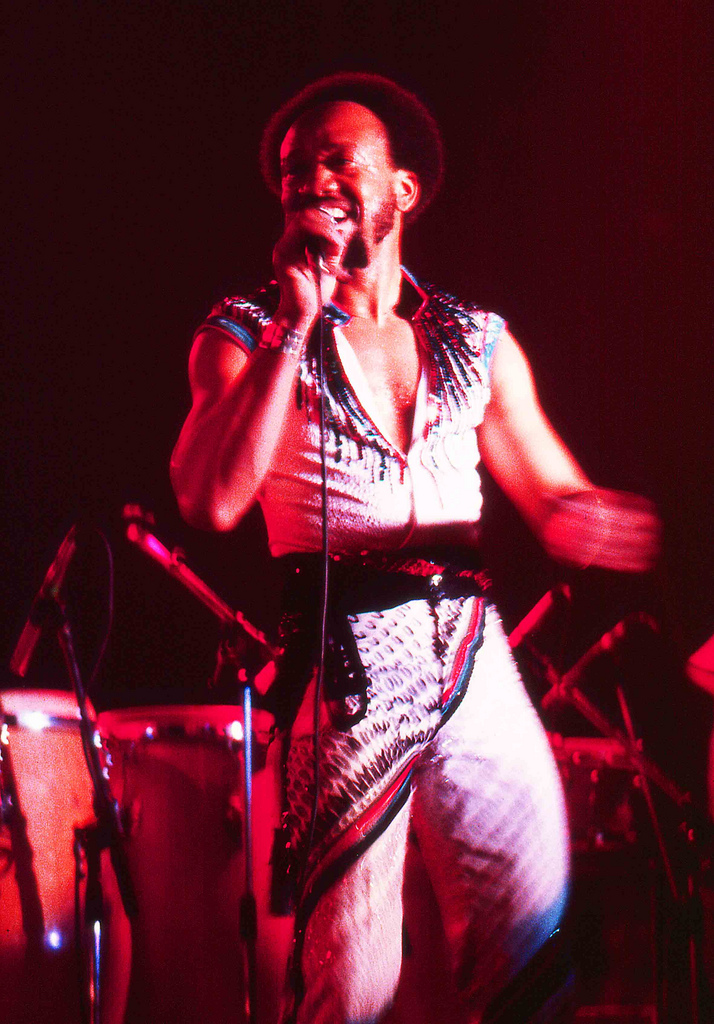
Maurice White's legacy extends far beyond chart success. He infused his music with spiritualism, drawing on Baháʼí Faith principles and astrological concepts, which resonated deeply with a global audience seeking positivity and enlightenment. His distinctive falsetto became one of the most recognizable voices in popular music. The visual presentation of Earth, Wind & Fire, with their elaborate costumes and stage shows, also set new standards for live performance. Artists from Michael Jackson to Beyoncé have cited White and EWF as significant influences, testament to their enduring impact on R&B, funk, and pop music.
Cultural Impact
White's impact on popular culture is undeniable. Earth, Wind & Fire's music became the soundtrack to celebrations, social movements, and personal growth for millions. Their ability to unite disparate musical styles mirrored White's vision of global unity. He was a pioneer in a time when musical boundaries were often rigidly defined, proving that creativity could flourish through fusion. His dedication to positive vibrations and musical innovation continues to inspire aspiring musicians and producers, ensuring his influence will persist for decades to come.
Key Facts
- Year
- 1941-2016
- Origin
- Memphis, Tennessee
- Category
- music
- Type
- artist
Frequently Asked Questions
What was Maurice White's main role in Earth, Wind & Fire?
Maurice White was the primary visionary, founder, producer, main songwriter, and lead vocalist for Earth, Wind & Fire. He was the creative engine behind the band's sound and direction.
What spiritual beliefs influenced Maurice White's music?
White was deeply influenced by Theosophy, numerology, astrology, and various Eastern and African spiritual traditions, which are reflected in the lyrics and themes of Earth, Wind & Fire's songs.
How did Maurice White's production style differ from others at the time?
White's production was known for its intricate layering, sophisticated arrangements, and a unique ability to blend diverse sonic elements, creating a rich and polished sound that set Earth, Wind & Fire apart from their contemporaries.
What is Maurice White's lasting legacy?
His legacy is the enduring music of Earth, Wind & Fire, which continues to inspire audiences with its fusion of joy, spirituality, and musical excellence. He also influenced countless artists in production and songwriting.