
Contents
Overview
Memory foam, scientifically known as viscoelastic polyurethane foam, is a material engineered to respond to body heat and pressure, conforming to the shape of the user. Its unique cellular structure allows it to absorb energy and distribute weight evenly, offering unparalleled comfort and support. Originally developed for aircraft seat cushioning, it has since permeated countless consumer products, from mattresses and pillows to footwear and medical equipment. While celebrated for its pressure-relieving properties, debates persist regarding its breathability, durability, and environmental impact, making it a complex material with a significant, evolving presence in modern life. Its market value, estimated to be in the billions, underscores its widespread adoption and continued innovation.
🎵 Origins & History
The genesis of memory foam traces back to the 1960s, a period of intense aerospace innovation. Researchers sought to improve the safety and comfort of aircraft seating by developing a material that could absorb shock and redistribute pressure. This led to the creation of 'temper foam,' a viscoelastic polyurethane foam. Initially, its high cost and specialized application limited its use to aerospace and medical fields, such as prosthetic devices and hospital bed padding. The material's potential for broader consumer applications began to emerge in the late 1980s and early 1990s, with companies playing a pivotal role in commercializing it for mattresses and pillows, transforming the sleep industry and cementing its place in everyday comfort.
⚙️ How It Works
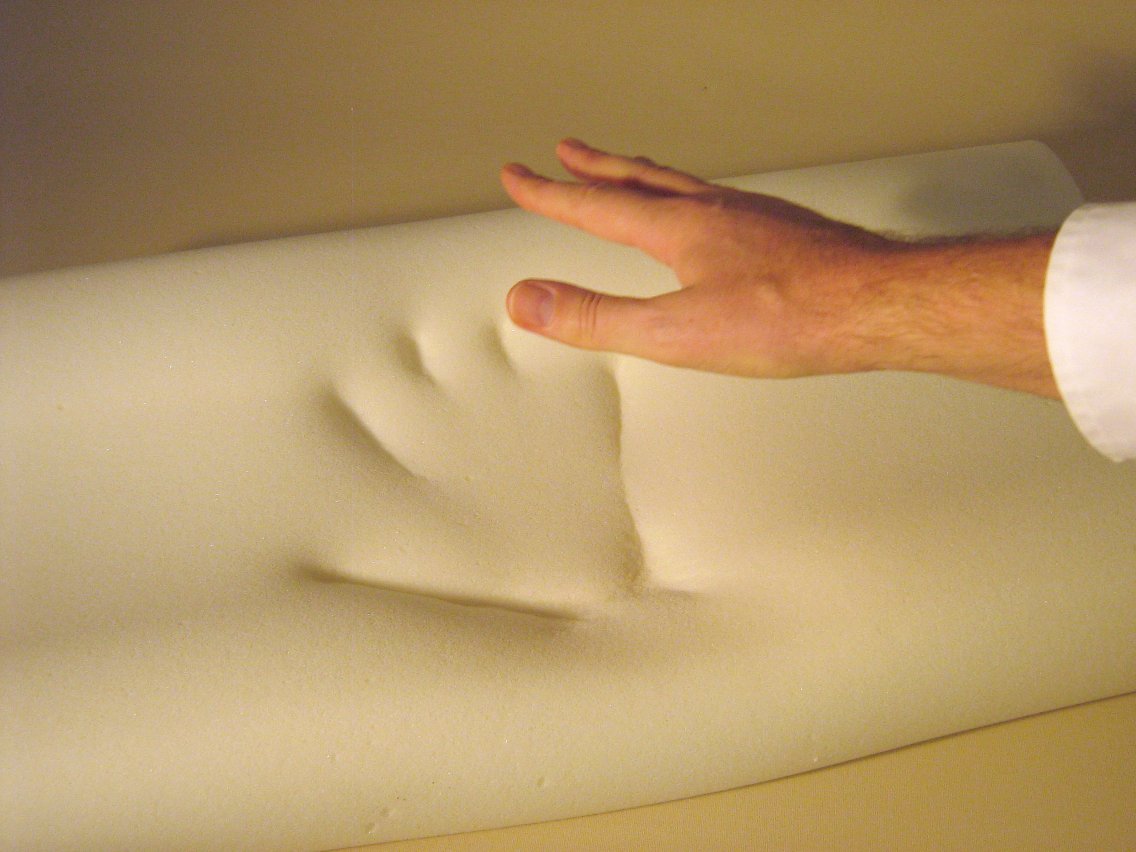
At its core, memory foam's remarkable properties stem from its unique molecular structure and open-cell design. Composed primarily of polyurethane with added chemicals to increase viscosity and density, it's classified as low-resilience polyurethane foam (LRPu). The 'viscoelastic' nature means it exhibits both viscous (fluid-like) and elastic (spring-like) properties. When pressure is applied, the open cells deform, allowing air to slowly escape and the foam to mold precisely to the contours of the object or body. This process is accelerated by body heat, which further softens the material. Upon removal of pressure, the cells gradually refill with air, and the foam slowly returns to its original shape, though newer formulations offer faster recovery times.
📊 Key Facts & Numbers
The global memory foam market is a multi-billion dollar industry. Mattresses and pillows represent the largest segment, accounting for over 60% of the market share. North America and Europe are dominant regions, but the Asia-Pacific market is experiencing the fastest growth, driven by increasing disposable incomes and rising awareness of sleep health. The density of memory foam typically ranges from 2.5 to 8 pounds per cubic foot (PCF), with higher densities generally indicating greater durability and support, though not necessarily comfort.
👥 Key People & Organizations
While researchers are credited with its invention, the commercialization of memory foam owes much to companies that brought it to the mainstream consumer market. Other key players in the memory foam industry have introduced innovative designs and marketing strategies. Chemical manufacturers are also critical, supplying the raw polyurethane materials and additives that define the foam's properties.
🌍 Cultural Impact & Influence
Memory foam has profoundly influenced the bedding industry, shifting consumer expectations from traditional spring mattresses to contouring, pressure-relieving surfaces. Its adoption in pillows has similarly revolutionized sleep posture support. Beyond the bedroom, memory foam has found its way into footwear, notably in insoles and shoe cushioning, enhancing comfort for millions of walkers and athletes. In the medical field, it remains a staple for pressure ulcer prevention in hospital beds and wheelchairs, a direct legacy of its origins. Its tactile feel and adaptive nature have also inspired designers in furniture and automotive interiors, aiming to replicate its comfort-enhancing qualities.
⚡ Current State & Latest Developments
The memory foam market continues to evolve with advancements in material science and manufacturing. Innovations include gel-infused memory foams designed to mitigate heat retention, open-cell structures for improved airflow, and hybrid constructions combining memory foam with other materials like latex or coils for a balanced feel. Direct-to-consumer (DTC) brands have disrupted traditional retail models with online sales and bed-in-a-box options, making memory foam mattresses more accessible. The industry is also seeing a rise in specialized foams, such as those with enhanced cooling properties or antimicrobial treatments, catering to niche consumer demands.
🤔 Controversies & Debates
Despite its popularity, memory foam faces scrutiny regarding its breathability and potential for heat retention, a common complaint that has spurred the development of cooling technologies. The off-gassing of volatile organic compounds (VOCs) during the manufacturing and initial use of some memory foam products has also raised health concerns, leading to stricter certifications for foam safety. Furthermore, the environmental impact of polyurethane production and the disposal of foam products are subjects of ongoing debate, with calls for more sustainable manufacturing processes and end-of-life solutions. The durability of lower-density foams, which can degrade over time, also presents a challenge for long-term value.
🔮 Future Outlook & Predictions
The future of memory foam likely involves a greater emphasis on sustainability and enhanced performance. Researchers are exploring bio-based polyols derived from plant oils to reduce reliance on petrochemicals, potentially leading to more eco-friendly memory foam. Advancements in material science may yield foams with even more precise temperature regulation, superior durability, and adaptive support that can change in real-time based on user needs. We could see memory foam integrated into smart textiles or adaptive furniture that actively adjusts to promote better posture and comfort. The quest for the perfect balance between pressure relief, support, and breathability will continue to drive innovation.
💡 Practical Applications
Memory foam's primary application remains in the bedding industry, where it's used in mattresses and pillows to provide pressure relief and spinal alignment. In the medical sector, it's crucial for preventing bedsores and providing comfort for patients with limited mobility, found in products like specialized hospital mattresses. The footwear industry extensively uses memory foam for insoles and shoe padding, offering enhanced comfort for athletic and casual wear. It's also incorporated into ergonomic office chairs, automotive seats, and even protective gear like helmets and knee pads, leveraging its shock-absorbing and pressure-distributing qualities.
Key Facts
- Category
- technology
- Type
- product