
Contents
Overview
MEMS efficiency refers to the optimization of micro-electromechanical systems (MEMS) to perform their intended functions with minimal energy consumption, maximum speed, and optimal resource utilization. This encompasses everything from reducing power draw in inertial sensors found in smartphones to enhancing the performance of RF switches in telecommunications and improving the precision of inkjet printheads. The drive for efficiency is fueled by the proliferation of battery-powered devices, the demand for higher data rates, and the increasing integration of MEMS into critical applications where reliability and longevity are paramount. Achieving MEMS efficiency involves intricate design choices, advanced materials science, and sophisticated fabrication techniques, constantly pushing the boundaries of what's possible at the micro-scale. As the Internet of Things (IoT) expands, the importance of energy-efficient MEMS will only grow, making it a critical area of ongoing research and development.
🎵 Origins & History
The quest for miniaturization and improved performance in electronic components has a long history, but the specific focus on MEMS efficiency gained significant traction with the rise of integrated circuits in the late 20th century. The advent of silicon micromachining techniques, pioneered by researchers like Kurt Petersen in the late 1970s, laid the groundwork for more complex and efficient micro-devices. The commercialization of MEMS, particularly in automotive airbag sensors by Bosch in the early 1990s, highlighted the need for robust and energy-conscious designs. The subsequent explosion of consumer electronics, from mobile phones to wearable technology, has since made MEMS efficiency a non-negotiable design parameter, driving innovation in areas like RF MEMS and inertial measurement units (IMUs).
⚙️ How It Works
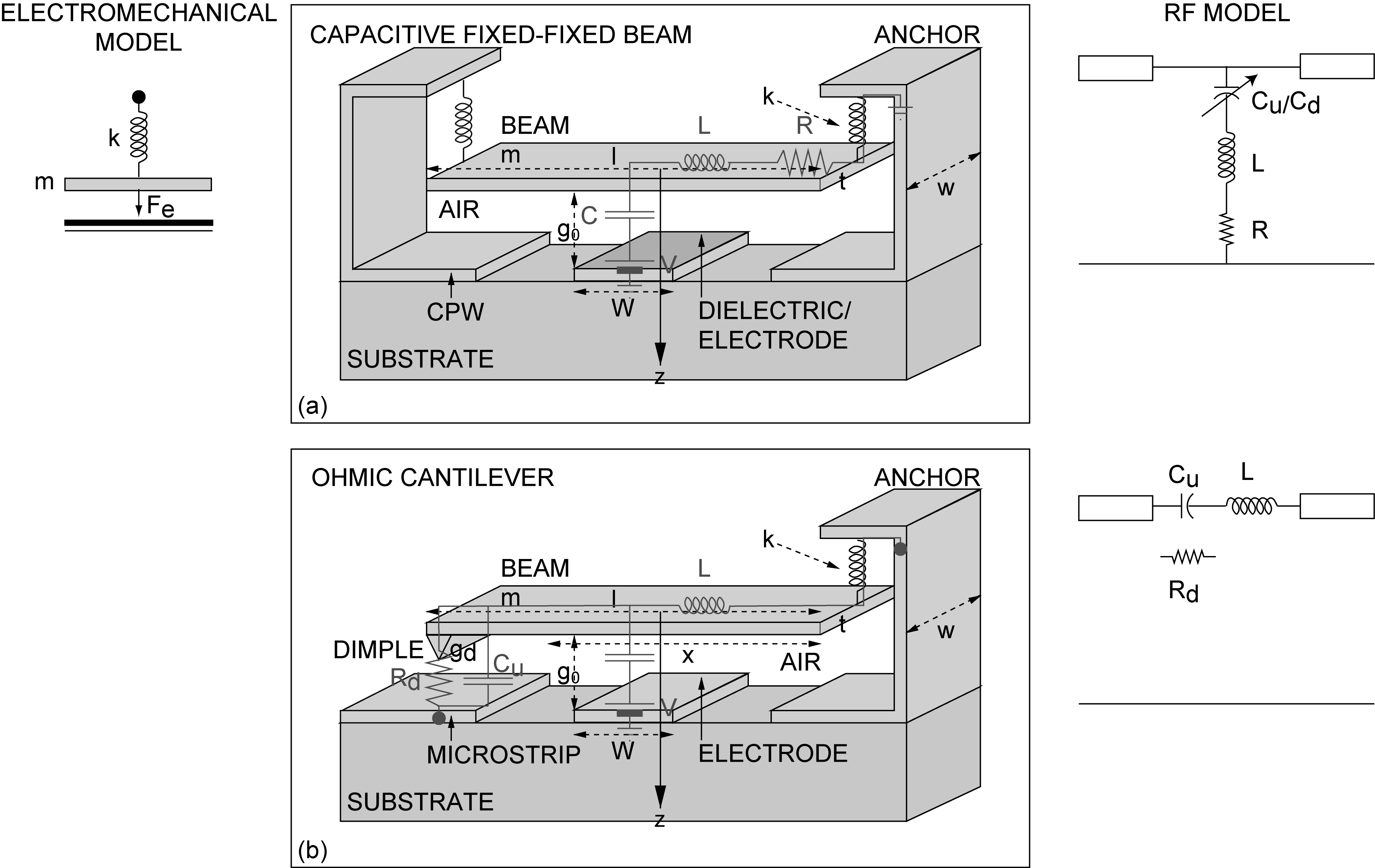
MEMS efficiency is achieved through a multi-pronged approach targeting various aspects of device operation. For IMUs, this means reducing the power consumed by the sensing elements, often capacitive sensors, and the associated signal processing electronics. In RF MEMS switches, efficiency translates to lower insertion loss (minimal signal degradation) and reduced power for actuation, often achieved through electrostatic or piezoelectric mechanisms. For inkjet printheads, it involves optimizing the thermal or piezoelectric actuators to deliver precise ink droplets with minimal energy expenditure per drop. Material selection is crucial; for instance, using low-loss dielectric materials in capacitive sensors or employing GaN for high-frequency applications where power handling is critical. Furthermore, advanced packaging techniques that minimize parasitic effects and improve thermal management are essential for maintaining efficiency in real-world operating conditions.
📊 Key Facts & Numbers
The global MEMS market, valued at approximately $15 billion in 2023, is projected to reach over $30 billion by 2028, a testament to the increasing demand for efficient micro-devices. In smartphones, a single device can contain over a dozen MEMS sensors, each contributing to the overall power budget; optimizing these can extend battery life by up to 10-15%. RF MEMS switches, while still a niche market compared to traditional semiconductor switches, offer insertion losses as low as 0.1 dB, a significant improvement over conventional solutions that can reach 1-2 dB. The power consumption of modern MEMS accelerometers can be as low as 1 microwatt, enabling continuous operation in battery-constrained IoT devices. Inkjet printheads, utilizing piezoelectric actuators, can eject ink droplets with energy efficiencies exceeding 90% for the actuation mechanism itself. The failure rate for high-quality MEMS devices is often measured in billions of cycles, with some reaching over 10^12 cycles, indicating high operational efficiency and reliability.
👥 Key People & Organizations
Key figures in the advancement of MEMS efficiency include Kurt Petersen, whose foundational work on silicon micromachining in the late 1970s enabled the creation of complex microstructures. Richard S. Muller, a pioneer in MEMS research at UC Berkeley, significantly contributed to the understanding and fabrication of these devices. Companies like Bosch, STMicroelectronics, and Texas Instruments have been instrumental in commercializing efficient MEMS sensors for automotive and consumer markets. Research institutions such as MIT, Stanford University, and the University of California, Berkeley continue to push the frontiers of MEMS efficiency through fundamental research. The IEEE MEMS Conference serves as a critical venue for disseminating the latest advancements in the field, fostering collaboration among researchers and industry leaders.
🌍 Cultural Impact & Influence
MEMS efficiency has profoundly reshaped the consumer electronics landscape, enabling the proliferation of portable, battery-powered devices. The miniaturization and power savings achieved through efficient MEMS have directly led to the development of smartphones, smartwatches, and a vast array of Internet of Things (IoT) gadgets. In the automotive sector, efficient MEMS sensors are critical for safety systems like airbags and electronic stability control, which require low power consumption for constant monitoring. The telecommunications industry benefits from efficient RF MEMS in base stations and mobile devices, leading to improved signal integrity and reduced energy usage. Furthermore, advancements in MEMS efficiency have democratized access to sophisticated sensing capabilities, making technologies once confined to specialized laboratories now commonplace in everyday life.
⚡ Current State & Latest Developments
The current state of MEMS efficiency is characterized by a relentless drive towards lower power consumption and higher performance, particularly for emerging applications. The rise of wearable technology and the expansion of the Internet of Things (IoT) are major catalysts, demanding sensors that can operate for months or even years on small coin-cell batteries. Researchers are exploring novel actuation methods, such as NEMS and advanced piezoelectric materials, to further reduce power requirements. In the 5G and beyond era, efficient RF MEMS are crucial for handling increased data traffic and supporting diverse frequency bands with minimal energy loss. Companies are also focusing on integrating MEMS fabrication processes with advanced CMOS technologies to create highly integrated, power-efficient System-on-Chips (SoCs). The development of self-powered MEMS, harvesting energy from ambient sources like vibration or thermal gradients, is also a significant ongoing trend.
🤔 Controversies & Debates
One of the primary debates surrounding MEMS efficiency centers on the trade-off between performance and power consumption. While significant strides have been made, achieving ultra-low power often comes at the cost of reduced accuracy, speed, or dynamic range. For instance, some ultra-low-power accelerometers might not be suitable for high-performance motion tracking applications. Another controversy involves the long-term reliability and lifetime of highly efficient MEMS devices, particularly those employing novel materials or complex microstructures that may be susceptible to wear or environmental degradation. The cost of advanced fabrication techniques required for peak efficiency also presents a barrier, leading to discussions about whether the benefits outweigh the increased manufacturing expenses for certain applications. Furthermore, the environmental impact of producing these complex micro-devices, including the use of rare earth materials and energy-intensive fabrication processes, is an area of growing concern.
🔮 Future Outlook & Predictions
The future of MEMS efficiency is intrinsically linked to the evolution of artificial intelligence and the expansion of the Internet of Things. We can expect to see MEMS sensors with even lower power footprints, enabling ubiquitous sensing in environments previously considered too power-constrained. The integration of MEMS with AI at the edge will allow for more sophisticated on-device data processing, further reducing the need for constant communication and thus saving power. Advancements in materials science, such as the use of 2D materials like graphene, hold promise for creating MEMS devices with unprecedented efficiency and novel functionalities. The development of 'smart dust' — microscopic, self-powered sensing nodes — is a long-term vision heavily dependent on breakthroughs in MEMS efficiency. Expect to see MEMS playin
Key Facts
- Category
- technology
- Type
- topic