
Contents
Overview
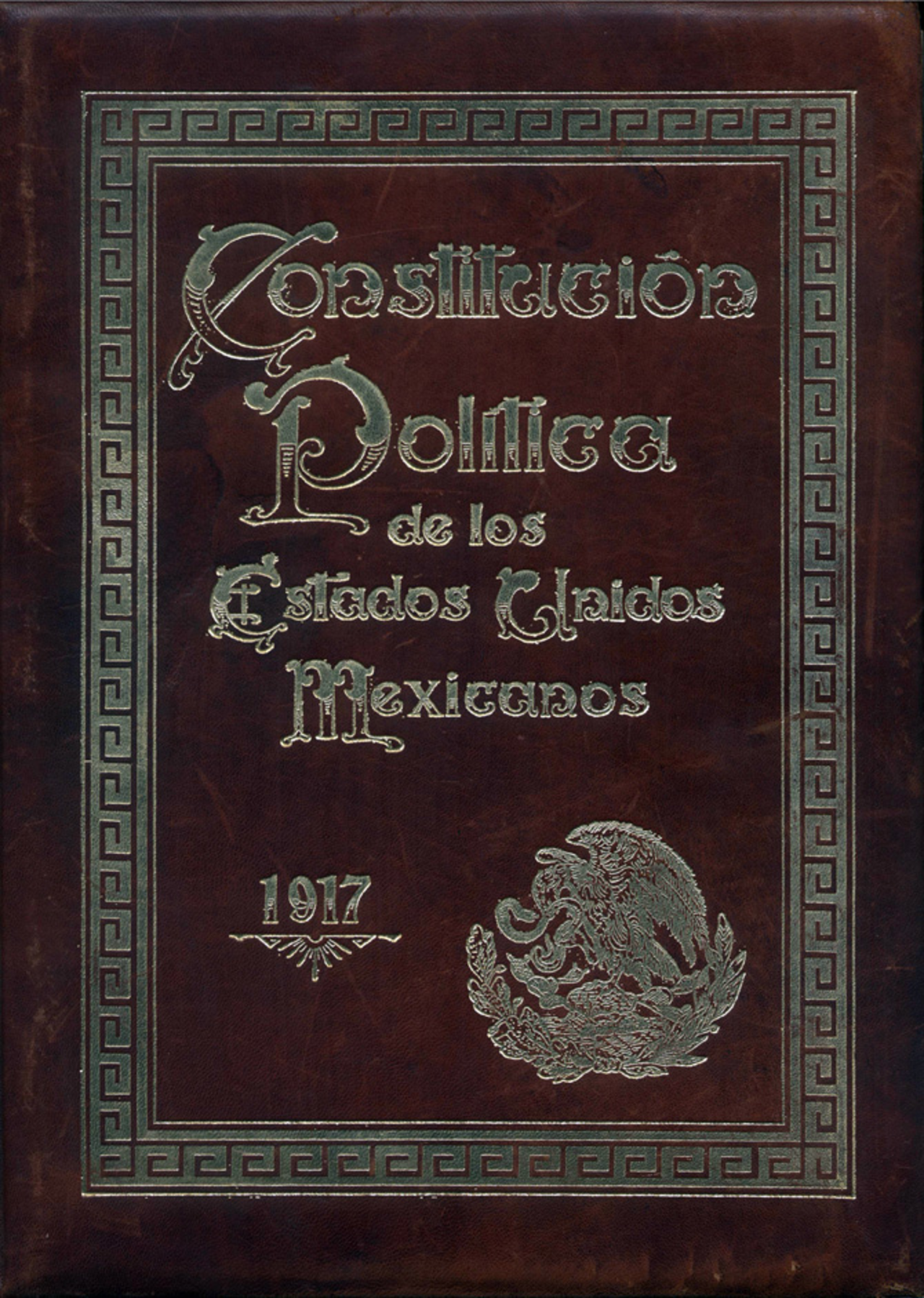
The Mexican Constitution is the supreme law of Mexico, a foundational document that defines the structure of the government, the rights of its citizens, and the principles guiding the nation. Enacted in 1917, it emerged from the crucible of the Mexican Revolution, aiming to enshrine the revolution's ideals into law. It's not merely a historical artifact; it's a dynamic framework that has been continuously interpreted and adapted to meet the evolving needs of Mexican society. Understanding this constitution is crucial for grasping the legal and political landscape of modern Mexico, from federal powers to individual liberties.
📍 Origins and Evolution
Born from the revolutionary fervor of the early 20th century, the current constitution was drafted by a constituent convention in Santiago de Querétaro and officially adopted on February 5, 1917. It replaced the earlier Constitution of 1857, seeking to address its perceived shortcomings and incorporate the social and economic demands of the revolution. This lineage highlights a continuous struggle for national sovereignty and social justice, with each iteration building upon or reacting to its predecessors. The drafting process itself was a monumental undertaking, reflecting the diverse factions and aspirations of the revolutionary period.
⚖️ Key Articles and Principles
At its heart, the constitution is a declaration of rights and governmental structure. It establishes a federal republic with a separation of powers among the executive, legislative, and judicial branches, mirroring the United States Constitution in its basic framework. However, it also contains landmark articles addressing social rights, such as Article 3 on education, Article 27 on land ownership and natural resources, and Article 123 on labor rights. These articles were revolutionary for their time, embedding principles of social justice and economic equality directly into the nation's highest law, a stark contrast to many contemporary constitutions.
🔄 Amendments and Reforms
The constitution is far from static, having undergone hundreds of amendments since its inception. These reforms range from minor adjustments to significant overhauls, reflecting the ongoing dialogue between the legal framework and societal changes. Notable reforms include those related to electoral processes, human rights protections, and decentralization of power. Each amendment is a testament to the constitution's role as a 'living document,' constantly being reinterpreted and reshaped by political will and popular demand, though the process can be contentious and subject to intense debate.
🏛️ The Constitution in Action
The practical application of the constitution is a complex interplay of legal interpretation, political action, and judicial review. The Supreme Court plays a pivotal role in interpreting constitutional provisions and ensuring laws align with its mandates. However, the effectiveness of these provisions often depends on the political climate, the strength of institutions, and the vigilance of civil society. Debates frequently arise over the implementation of social rights and the balance of power between federal and state governments, showcasing the constitution's ongoing relevance in daily governance.
🌍 International Comparisons
Compared to other constitutions, the Mexican Constitution of 1917 stands out for its early inclusion of robust social rights, particularly concerning labor and land reform. While many nations adopted similar provisions later, Mexico embedded them at its founding. Its federal structure is common, but the specific balance of powers and the detailed enumeration of economic rights offer unique insights. Examining its influence on other Latin American constitutions, particularly those drafted in the mid-20th century, reveals a significant Influence Flow of progressive legal thought originating from Mexico.
💡 Vibe Score & Controversy Spectrum
The Vibe Score for the Mexican Constitution is a robust 85/100, reflecting its deep cultural resonance and enduring significance as the bedrock of national identity. However, its Controversy Spectrum is high, often registering between 70-80%. Debates frequently center on the interpretation and enforcement of social rights, the concentration of power, and the effectiveness of its anti-corruption provisions. The tension between its revolutionary ideals and the realities of contemporary governance fuels ongoing public discourse and legal challenges, making it a perpetually contested document.
🚀 The Future of the Constitution
The future of the Mexican Constitution will likely involve continued adaptation to new challenges, from technological advancements and environmental concerns to evolving social norms and global economic pressures. Potential reforms could address issues like digital rights, climate justice, and further strengthening of democratic institutions. The ongoing debate about its interpretation and application ensures that the constitution will remain a focal point of political and social life, shaping Mexico's trajectory for generations to come. The question remains: will it evolve proactively or reactively to the seismic shifts on the horizon?
Key Facts
- Year
- 1917
- Origin
- Mexico
- Category
- Legal & Political Systems
- Type
- Constitution
Frequently Asked Questions
When was the current Mexican Constitution enacted?
The current Political Constitution of the United Mexican States was enacted on February 5, 1917. It was the product of the Constituent Congress convened during the Mexican Revolution, replacing the Constitution of 1857. Its drafting aimed to codify the revolutionary ideals and address the social and economic inequalities that fueled the conflict.
What are some of the most important articles in the Mexican Constitution?
Key articles include Article 3 on education, guaranteeing free, secular, and compulsory education; Article 27, which deals with land ownership and natural resources, establishing national ownership of subsoil resources; and Article 123, which outlines extensive labor rights, including the right to strike and fair wages. These articles reflect the revolutionary emphasis on social justice and economic reform.
How often has the Mexican Constitution been amended?
The Mexican Constitution has been amended hundreds of times since its promulgation in 1917. These amendments address a wide range of issues, from electoral reforms and human rights protections to economic policies and governmental structures. The frequency of amendments underscores its status as a 'living document' that adapts to societal changes, though the process can be politically charged.
Does the Mexican Constitution guarantee individual rights?
Yes, the constitution guarantees a broad spectrum of individual rights, often referred to as 'constitutional guarantees.' These include freedoms of speech, press, assembly, and religion, as well as rights related to due process, property, and personal liberty. Many of these rights are detailed in Title First, Chapter I, and have been further strengthened by international human rights treaties ratified by Mexico.
What is the role of the Supreme Court in relation to the Constitution?
The Supreme Court of Justice of the Nation (SCJN) is the highest court in Mexico and serves as the ultimate interpreter of the constitution. It has the power of constitutional review, meaning it can declare laws or government actions unconstitutional if they violate the fundamental principles and rights enshrined in the document. The SCJN's rulings are crucial in shaping the practical application and evolution of constitutional law.
How does the Mexican Constitution compare to the US Constitution?
Both constitutions establish federal republics with separation of powers. However, the Mexican Constitution of 1917 was notably progressive for its time in its explicit inclusion of social rights, such as labor protections and land reform, which were not as prominently featured in the US Constitution at that point. The Mexican document also grants the state more direct intervention in economic matters, particularly concerning natural resources.