
Contents
Overview
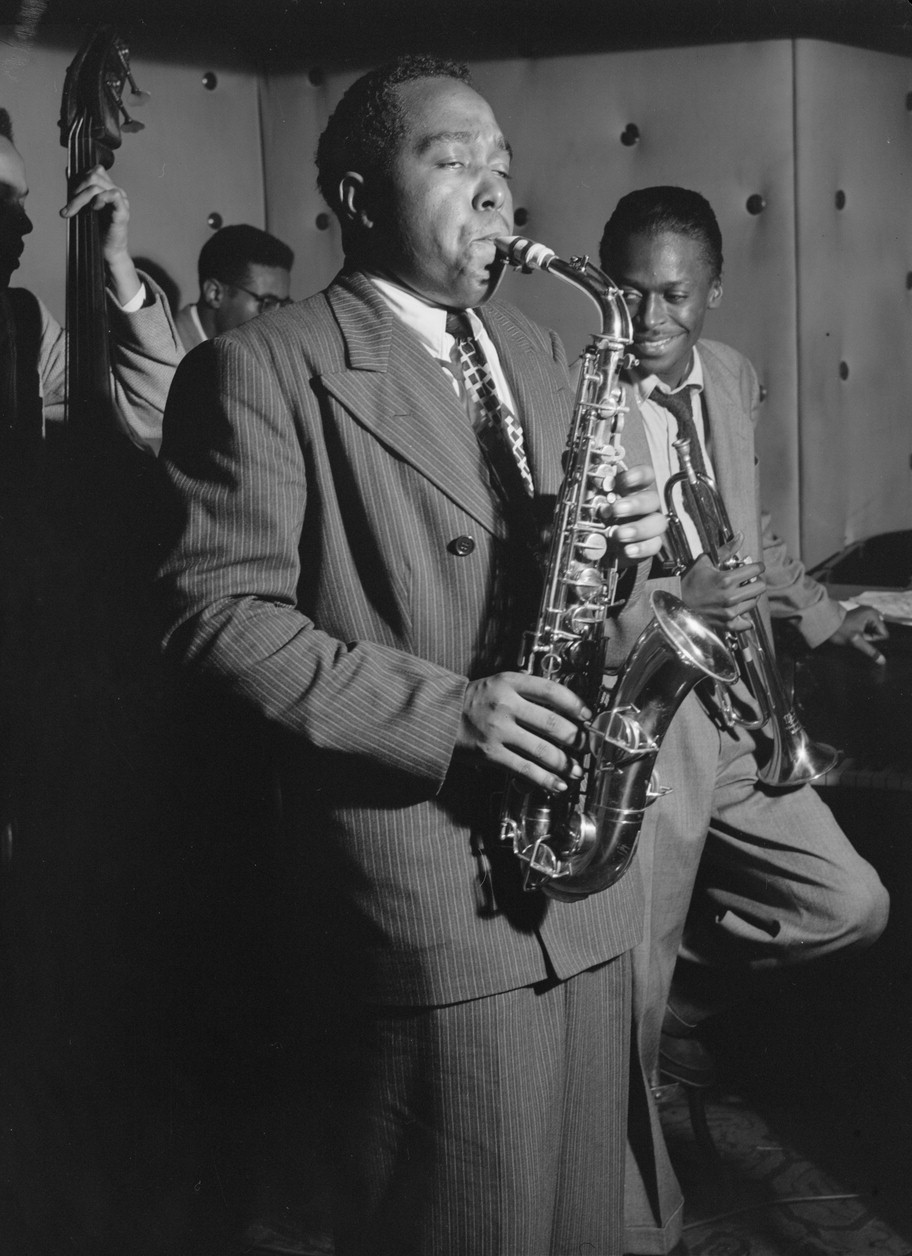
Modern jazz emerged as a reaction to the commercialized, dance-oriented big band sound of the Swing Era. The seeds were sown in the early 1940s, particularly in the late-night jam sessions at Harlem clubs like Minton's Playhouse and Monroe's Uptown House. Musicians like Charlie Parker (alto saxophone), Dizzy Gillespie (trumpet), and Thelonious Monk (piano) began experimenting with faster tempos, more intricate melodies, and complex chord progressions that were far removed from the predictable structures of swing. This nascent style, soon dubbed bebop, prioritized individual virtuosity and harmonic sophistication, effectively transforming jazz from popular entertainment into a serious art form demanding attentive listening. The shift was profound, marking a definitive break from the past and setting the stage for decades of innovation.
⚙️ How It Works
At its core, modern jazz is defined by its departure from the simpler harmonic and rhythmic frameworks of earlier jazz styles. Bebop is characterized by lightning-fast tempos, intricate melodic lines that often weave through complex chord changes, and extended improvisations that explore harmonic substitutions and altered chords. Cool jazz, emerging in the late 1940s and 1950s, offered a contrasting approach with its more relaxed tempos, lighter tone, and emphasis on lyrical melody, exemplified by artists like Miles Davis on his album Birth of the Cool. Hard bop then re-infused jazz with a more aggressive, blues-inflected energy, while modal jazz explored improvisation based on scales rather than rapidly changing chords, famously showcased on Davis's Kind of Blue. Finally, free jazz (or avant-garde jazz) pushed boundaries further by often dispensing with traditional structures of harmony, rhythm, and form altogether, prioritizing collective improvisation and raw expression, as pioneered by figures like Ornette Coleman.
📊 Key Facts & Numbers
The modern jazz era has seen a proliferation of styles, with hundreds of thousands of jazz recordings released since the 1940s. Bebop, the initial catalyst, was characterized by tempos often exceeding 200 beats per minute, a stark contrast to the 120-150 bpm typical of swing. By the mid-1950s, the jazz market was estimated to be worth over $100 million annually in the US alone, with modern jazz artists commanding significant attention. The album Kind of Blue by Miles Davis, released in 1959, remains the best-selling jazz album of all time, with over 5 million copies sold worldwide. The influence of modern jazz can be seen in the fact that over 70% of jazz musicians today cite bebop or its successors as primary influences. Furthermore, major jazz festivals, such as the Newport Jazz Festival, established in 1954, draw crowds exceeding 100,000 attendees annually, underscoring the genre's sustained popularity.
👥 Key People & Organizations
The pantheon of modern jazz is vast, but certain figures stand out as architects of its evolution. Charlie Parker, the alto saxophonist, and Dizzy Gillespie, the trumpeter, are widely credited as the primary innovators of bebop, revolutionizing jazz harmony and improvisation. Thelonious Monk, a pianist and composer, brought his unique angularity and dissonant harmonies to the forefront. Miles Davis proved to be a perpetual innovator, leading the charge through cool jazz, hard bop, modal jazz, and fusion, constantly reinventing the genre. John Coltrane, a saxophonist of immense spiritual and technical prowess, pushed modal and free jazz into new dimensions. Composers and bandleaders like Charles Mingus and Sun Ra explored orchestral textures and avant-garde concepts. Organizations like the Jazz at Lincoln Center and the Thelonious Monk Institute of Jazz play crucial roles in preserving, promoting, and educating future generations about modern jazz.
🌍 Cultural Impact & Influence
The cultural footprint of modern jazz is immense, extending far beyond the confines of the music itself. Its emphasis on improvisation and individual expression resonated with the burgeoning Beat Generation writers like Jack Kerouac and Allen Ginsberg, who saw parallels between the spontaneous creativity of jazz musicians and their own literary pursuits. The intellectual rigor and harmonic sophistication of modern jazz influenced academic music theory and composition. Its spirit of innovation and boundary-pushing also permeated other art forms, from abstract expressionist painting to experimental theater. Furthermore, the global reach of modern jazz has led to vibrant jazz scenes in cities worldwide, from Paris and Tokyo to Buenos Aires, demonstrating its universal appeal and adaptability. The very concept of the 'cool' in American culture owes a significant debt to the aesthetic of cool jazz.
⚡ Current State & Latest Developments
As of 2024, modern jazz continues to thrive, albeit in a more fragmented landscape than its mid-20th-century heyday. While traditional forms like bebop and hard bop are still performed and studied, contemporary artists are increasingly blending jazz with hip-hop, electronic music, and global sounds. Streaming platforms like Spotify and Apple Music have made a vast archive of modern jazz accessible to a global audience, while also presenting new challenges for artist revenue. Festivals like the Montreal International Jazz Festival continue to draw massive crowds, showcasing both established legends and emerging talents. The rise of online educational resources and virtual collaborations has also democratized access to learning and performing jazz. The genre remains a vital space for artistic dialogue and experimentation, with artists like Robert Glasper and Kamasi Washington leading the charge in cross-genre pollination.
🤔 Controversies & Debates
Modern jazz is not without its controversies and debates, primarily centered on its perceived elitism and accessibility. The shift from danceable swing to the more complex, intellectually demanding bebop was met with criticism from some who felt jazz had lost its connection to its roots and its broader audience. The avant-garde and free jazz movements of the 1960s, while artistically groundbreaking, were particularly polarizing, with some critics dismissing them as chaotic noise. Debates also persist regarding the commercial viability of jazz in the digital age, with many musicians struggling to earn a living wage from recordings alone. Furthermore, discussions around cultural appropriation and the historical marginalization of Black artists in the jazz canon continue to be important, particularly as jazz's influence spreads globally.
🔮 Future Outlook & Predictions
The future of modern jazz appears to be one of continued hybridization and global integration. Expect further fusion with genres like electronic music, hip-hop, and global music traditions, creating new sonic palettes. Advances in AI and music technology might offer novel tools for composition and improvisation, though this also raises questions about authenticity and human creativity. The increasing accessibility of educational resources online suggests a more diverse and globally distributed pool of future jazz musicians. There's also a growing interest in reviving and reinterpreting the classic modern jazz repertoire, suggesting a cyclical nature to its evolution, where past innovations are continuously re-examined and re-contextualized by new generations. The challenge will be to maintain the genre's artistic integrity while adapting to evolving cultural and technological landscapes.
💡 Practical Applications
The principles of modern jazz improvisation, harmonic understanding, and rhythmic sophistication find applications far beyond the jazz club. Musicians in genres as diverse as rock, pop, and film scoring often draw upon jazz vocabulary for solos, arrangements, and compositional ideas. The analytical skills honed through studying ja
Key Facts
- Category
- culture
- Type
- topic