
Contents
- 📚 Introduction to Moral Development
- 👶 Stages of Moral Development
- 🤝 Influences on Moral Development
- 📊 Theories of Moral Development
- 👥 Cultural and Social Factors
- 📈 Developmental Milestones
- 🤔 Moral Judgment and Character
- 📚 Key Concepts and Debates
- 👫 Related Theories and Frameworks
- 📊 Research and Applications
- 👥 Real-World Implications
- 📈 Future Directions
- Frequently Asked Questions
- Related Topics
Overview
Moral development refers to the process by which individuals develop a sense of right and wrong, and learn to navigate complex ethical dilemmas. This concept has been studied by psychologists such as Lawrence Kohlberg, who proposed a stage theory of moral development, and philosophers like Jean Piaget, who emphasized the role of social and cognitive development in shaping moral values. Research has shown that moral development is influenced by a range of factors, including genetics, environment, culture, and life experiences. For instance, a study by psychologist Daniel Kahneman found that people's moral judgments can be influenced by cognitive biases and heuristics, highlighting the importance of critical thinking in moral decision-making. Furthermore, the work of neuroscientist Joshua Greene has demonstrated that moral decision-making is associated with activity in specific brain regions, such as the prefrontal cortex. As our understanding of moral development continues to evolve, it is likely to have significant implications for fields such as education, law, and public policy, with potential applications including the development of more effective moral education programs and the creation of more nuanced and effective policies for promoting moral behavior.
📚 Introduction to Moral Development
Moral development is a crucial aspect of human growth, focusing on the emergence, change, and understanding of morality from infancy through adulthood. As discussed in Psychology, moral development is influenced by an individual's experiences, behavior, and encounters with moral issues through different periods of physical and cognitive development. The theory states that morality develops across the lifespan in a variety of ways, with Philosophy playing a significant role in shaping our understanding of right and wrong. For instance, the concept of Morality is often a synonym for 'rightness' or 'goodness,' and it refers to a specific code of conduct that guides one's actions, behaviors, and thoughts. As noted by Jean Piaget, a renowned psychologist, moral development is a complex and multifaceted process.
👶 Stages of Moral Development
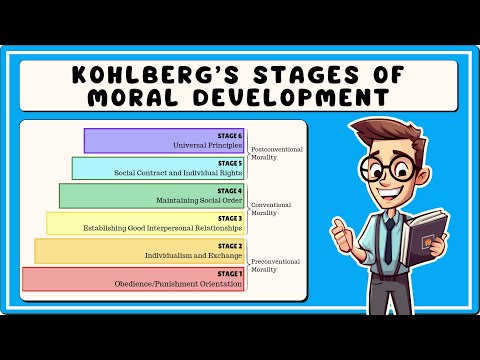
The stages of moral development are a critical aspect of understanding how morality evolves over time. According to Lawrence Kohlberg, there are six stages of moral development, each representing a unique level of moral reasoning. These stages range from the pre-conventional level, where morality is based on obedience and punishment, to the post-conventional level, where morality is based on universal principles and values. As individuals progress through these stages, they develop a more nuanced understanding of morality, as discussed in Ethics. Furthermore, Social Learning Theory suggests that moral development is influenced by observing and imitating others, highlighting the importance of role models and social environment.
🤝 Influences on Moral Development
Influences on moral development are diverse and far-reaching, encompassing factors such as family, culture, and personal experiences. As highlighted in Child Development, early childhood experiences play a significant role in shaping moral development, with parents and caregivers serving as primary moral guides. Additionally, Cultural Psychology emphasizes the impact of cultural norms and values on moral development, with different cultures placing varying emphasis on individualism and collectivism. The interplay between these factors is complex, and as noted by Albert Bandura, understanding these influences is essential for promoting healthy moral development.
📊 Theories of Moral Development
Theories of moral development provide a framework for understanding the complex processes involved in moral growth. Kohlberg's Theory of moral development is a widely recognized framework, which proposes that moral development occurs in a series of stages, each representing a unique level of moral reasoning. In contrast, Carol Gilligan's theory of moral development emphasizes the importance of empathy and care in moral decision-making, as discussed in Care Ethics. These theories, among others, offer valuable insights into the nature of moral development and its significance in human life, as explored in Philosophy of Education.
📈 Developmental Milestones
Developmental milestones are critical markers of moral development, representing significant achievements in moral growth. As highlighted in Adolescent Development, the teenage years are a critical period for moral development, with adolescents grappling with complex moral issues and developing their own moral identities. Additionally, Adult Development emphasizes the ongoing nature of moral development, with adults continuing to refine and revise their moral values and principles throughout their lives. These milestones, among others, offer valuable insights into the nature of moral development and its significance in human life, as explored in Lifespan Development.
🤔 Moral Judgment and Character
Moral judgment and character are essential components of moral development, with individuals developing a unique sense of right and wrong over time. As discussed in Character Education, moral character is shaped by a combination of factors, including family, culture, and personal experiences. Furthermore, Moral Education emphasizes the importance of teaching moral values and principles, with the goal of promoting healthy moral development and responsible decision-making. The development of moral judgment and character is a complex and ongoing process, as noted in Virtue Ethics, and understanding its significance is essential for promoting positive moral growth.
📚 Key Concepts and Debates
Key concepts and debates in moral development offer valuable insights into the nature of moral growth and its significance in human life. As highlighted in Moral Relativism, the question of whether morality is absolute or relative is a longstanding debate, with some arguing that morality is culturally relative and others arguing that it is based on universal principles. Additionally, Moral Absolutism emphasizes the importance of absolute moral standards, with some arguing that certain actions are always right or always wrong. These debates, among others, offer a nuanced understanding of moral development and its complexities, as explored in Ethics and Morality.
📊 Research and Applications
Research and applications of moral development offer valuable insights into the nature of moral growth and its significance in human life. As highlighted in Positive Psychology, promoting positive moral development is essential for promoting overall well-being and life satisfaction. Additionally, Moral Education emphasizes the importance of teaching moral values and principles, with the goal of promoting healthy moral development and responsible decision-making. These applications, among others, demonstrate the significance of moral development in real-world contexts, as explored in Education and Learning.
👥 Real-World Implications
Real-world implications of moral development are far-reaching, with moral values and principles influencing a wide range of behaviors and decisions. As discussed in Business Ethics, moral development is essential for promoting ethical decision-making in professional contexts, with individuals and organizations facing complex moral dilemmas on a daily basis. Furthermore, Environmental Ethics emphasizes the importance of moral development in promoting sustainable and responsible practices, with individuals and societies facing significant environmental challenges. These implications, among others, highlight the significance of moral development in real-world contexts, as noted in Global Citizenship.
📈 Future Directions
Future directions in moral development research and applications offer exciting possibilities for promoting healthy moral growth and responsible decision-making. As highlighted in Neuroscience, advances in brain imaging and neurophysiology are providing new insights into the neural basis of moral development, with implications for promoting positive moral growth. Additionally, Artificial Intelligence is raising important questions about the future of moral development, with the potential for AI systems to influence moral values and principles. These directions, among others, demonstrate the ongoing nature of moral development and its significance in human life, as explored in Future Studies.
Key Facts
- Year
- 1950
- Origin
- Western Philosophy and Psychology
- Category
- Psychology and Philosophy
- Type
- Concept
Frequently Asked Questions
What is moral development?
Moral development refers to the emergence, change, and understanding of morality from infancy through adulthood. It is a complex and multifaceted process, influenced by a range of factors, including experiences, behavior, and cultural and social norms. As discussed in Psychology, moral development is a crucial aspect of human growth, with significant implications for promoting healthy moral growth and responsible decision-making.
Who are the key theorists in moral development?
Key theorists in moral development include Lawrence Kohlberg, Jean Piaget, and Carol Gilligan. These theorists, among others, have made significant contributions to our understanding of moral development, with their theories and frameworks continuing to influence research and applications in the field. As noted in Philosophy, their work has had a lasting impact on our understanding of morality and its significance in human life.
What are the stages of moral development?
The stages of moral development, as proposed by Lawrence Kohlberg, include six stages, each representing a unique level of moral reasoning. These stages range from the pre-conventional level, where morality is based on obedience and punishment, to the post-conventional level, where morality is based on universal principles and values. As discussed in Ethics, understanding these stages is essential for promoting healthy moral development and responsible decision-making.
How does culture influence moral development?
Culture plays a significant role in shaping moral development, with different cultures and societies placing varying emphasis on individualism and collectivism. As highlighted in Cultural Psychology, cultural norms and values can influence moral development, with some cultures prioritizing community and cooperation over individual achievement. Furthermore, Anthropology emphasizes the importance of understanding cultural differences in moral development, with significant implications for promoting cross-cultural understanding and cooperation.
What is the significance of moral development in real-world contexts?
Moral development has significant implications for real-world contexts, including Business Ethics, Environmental Ethics, and Global Citizenship. As discussed in Education and Learning, promoting healthy moral development is essential for promoting responsible decision-making and ethical behavior in a wide range of contexts. Furthermore, Positive Psychology emphasizes the importance of moral development in promoting overall well-being and life satisfaction.
How can moral development be promoted?
Moral development can be promoted through a range of strategies, including Character Education, Moral Education, and Positive Psychology. As highlighted in Child Development, early childhood experiences play a significant role in shaping moral development, with parents and caregivers serving as primary moral guides. Additionally, Social Learning Theory suggests that observing and imitating others is an effective way to promote moral development, with role models and social environment playing a significant role.
What are the future directions in moral development research and applications?
Future directions in moral development research and applications include advances in Neuroscience, Artificial Intelligence, and Future Studies. As discussed in Philosophy, these directions offer exciting possibilities for promoting healthy moral growth and responsible decision-making, with significant implications for human life and society. Furthermore, Ethics and Morality emphasize the importance of considering the ethical implications of these developments, with the goal of promoting positive moral growth and responsible decision-making.