
Contents
- 🏥 Introduction to Nursing Ethics
- 💡 Principles of Nursing Ethics
- 👥 The Importance of Relationships in Nursing Ethics
- 🤝 Human Dignity in Nursing Practice
- 📝 Collaborative Care and Nursing Ethics
- 🚑 Beneficence in Nursing: Doing Good
- 🚫 Non-Maleficence in Nursing: Doing No Harm
- 👩⚕️ Respect for Autonomy in Nursing
- 💬 Challenges in Nursing Ethics
- 🌎 Global Perspectives on Nursing Ethics
- 📚 Education and Training in Nursing Ethics
- 👥 Future of Nursing Ethics
- Frequently Asked Questions
- Related Topics
Overview
Nursing ethics is a complex and multifaceted field that has evolved significantly since the days of Florence Nightingale, who laid the foundation for modern nursing with her pioneering work during the Crimean War. Today, nurses face a myriad of challenges, from navigating end-of-life care and patient autonomy to addressing systemic inequalities and cultural sensitivities. The American Nurses Association (ANA) Code of Ethics, adopted in 1950 and revised in 2015, serves as a guiding framework for nursing practice, emphasizing the importance of respect, dignity, and compassion in patient care. However, the reality of nursing practice often presents contradictions and tensions, such as the struggle to balance patient needs with institutional constraints and the blurring of professional boundaries in an increasingly technological healthcare environment. As the healthcare landscape continues to shift, with the rise of personalized medicine and the growing emphasis on patient-centered care, nurses must adapt and evolve their ethical practice to meet the changing needs of their patients. With a Vibe score of 8, indicating a high level of cultural energy and relevance, nursing ethics remains a vital and dynamic field that requires ongoing dialogue, debate, and innovation to ensure that the core values of nursing are preserved and advanced.
🏥 Introduction to Nursing Ethics
Nursing ethics is a vital branch of applied ethics that guides the activities of nurses in their daily practice. As a field, it shares many principles with medical ethics, such as beneficence, non-maleficence, and respect for autonomy. However, nursing ethics is distinguished by its emphasis on relationships, human dignity, and collaborative care. This unique focus is reflected in the work of nursing pioneers like Florence Nightingale, who emphasized the importance of compassion and empathy in nursing practice. The American Nurses Association (ANA) also plays a crucial role in shaping nursing ethics through its code of ethics. By exploring the principles and practices of nursing ethics, we can gain a deeper understanding of the complex issues that nurses face in their daily work.
💡 Principles of Nursing Ethics
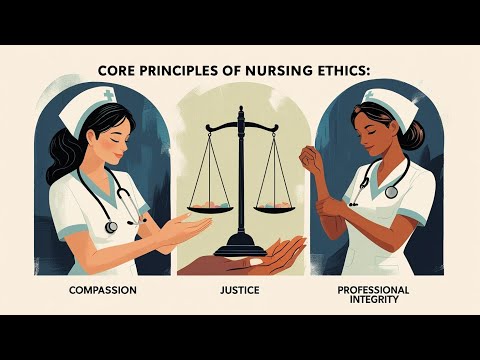
The principles of nursing ethics are rooted in a deep respect for human dignity and a commitment to promoting the well-being of patients. As outlined in the Code of Ethics for Nurses, these principles include beneficence, non-maleficence, autonomy, and justice. Beneficence, or the principle of doing good, is a fundamental aspect of nursing ethics, as it guides nurses to act in the best interests of their patients. Non-maleficence, or the principle of doing no harm, is also essential, as it reminds nurses to avoid causing harm to their patients. By considering these principles, nurses can provide high-quality care that respects the autonomy and dignity of their patients. The World Health Organization (WHO) also recognizes the importance of these principles in its own code of ethics.
👥 The Importance of Relationships in Nursing Ethics
Relationships are at the heart of nursing ethics, as nurses work closely with patients, families, and other healthcare professionals to provide collaborative care. This emphasis on relationships is reflected in the work of nursing theorists like Jean Watson, who developed the theory of human caring. According to Watson, nursing is a humanistic discipline that focuses on the development of a caring relationship between the nurse and the patient. By building strong relationships with their patients, nurses can provide personalized care that addresses the unique needs and concerns of each individual. The National Institute of Nursing Research (NINR) also supports research on the importance of relationships in nursing practice.
🤝 Human Dignity in Nursing Practice
Human dignity is a fundamental concept in nursing ethics, as it recognizes the inherent worth and value of every human being. Nurses have a duty to respect and promote human dignity in their practice, by providing care that is compassionate, empathetic, and respectful. This includes recognizing the autonomy and individuality of each patient, and involving them in decision-making about their care. The United Nations (UN) also recognizes the importance of human dignity in its Universal Declaration of Human Rights. By promoting human dignity, nurses can help to create a positive and supportive care environment that fosters healing and well-being.
📝 Collaborative Care and Nursing Ethics
Collaborative care is a key aspect of nursing ethics, as it recognizes the importance of working together with other healthcare professionals to provide high-quality care. This includes working with physicians, therapists, and other healthcare professionals to develop and implement care plans that address the unique needs of each patient. By working collaboratively, nurses can help to ensure that patients receive comprehensive and coordinated care that addresses their physical, emotional, and social needs. The Institute of Medicine (IOM) also emphasizes the importance of collaborative care in its reports on the future of nursing.
🚑 Beneficence in Nursing: Doing Good
Beneficence, or the principle of doing good, is a fundamental aspect of nursing ethics. Nurses have a duty to act in the best interests of their patients, by providing care that is compassionate, empathetic, and respectful. This includes taking actions that promote the health and well-being of patients, such as providing education and support to help them manage their health. The Centers for Disease Control and Prevention (CDC) also recognizes the importance of beneficence in its guidelines for healthcare professionals. By promoting beneficence, nurses can help to create a positive and supportive care environment that fosters healing and well-being.
🚫 Non-Maleficence in Nursing: Doing No Harm
Non-maleficence, or the principle of doing no harm, is also essential in nursing ethics. Nurses have a duty to avoid causing harm to their patients, by taking actions that minimize the risk of injury or harm. This includes being mindful of the potential risks and side effects of treatments and interventions, and taking steps to mitigate these risks. The Food and Drug Administration (FDA) also plays a crucial role in ensuring the safety of medications and medical devices. By promoting non-maleficence, nurses can help to create a safe and supportive care environment that protects the well-being of patients.
👩⚕️ Respect for Autonomy in Nursing
Respect for autonomy is a fundamental principle of nursing ethics, as it recognizes the right of patients to make decisions about their own care. Nurses have a duty to respect and promote autonomy, by providing patients with the information and support they need to make informed decisions about their health. This includes involving patients in decision-making about their care, and respecting their wishes and preferences. The Patient Protection and Affordable Care Act (ACA) also recognizes the importance of patient autonomy in its provisions on patient-centered care. By promoting autonomy, nurses can help to create a care environment that is patient-centered and respectful of individual rights and dignity.
💬 Challenges in Nursing Ethics
Despite the importance of nursing ethics, there are many challenges that nurses face in their daily practice. These include issues such as staffing shortages, heavy workloads, and limited resources, which can make it difficult for nurses to provide the high-quality care that patients deserve. Additionally, nurses may face ethical dilemmas and conflicts, such as deciding whether to respect the autonomy of a patient who is making a decision that may be harmful to themselves or others. The American Medical Association (AMA) also recognizes the challenges that healthcare professionals face in their daily practice. By exploring these challenges and developing strategies to address them, nurses can help to promote a positive and supportive care environment that fosters healing and well-being.
🌎 Global Perspectives on Nursing Ethics
Nursing ethics is a global phenomenon, with nurses from around the world working together to promote the health and well-being of patients. The International Council of Nurses (ICN) is a key organization that promotes nursing ethics and provides guidance and support to nurses around the world. By exploring global perspectives on nursing ethics, we can gain a deeper understanding of the common challenges and opportunities that nurses face, and develop strategies to promote high-quality care that is respectful of cultural and individual differences. The World Health Organization (WHO) also recognizes the importance of global cooperation in promoting health and well-being.
📚 Education and Training in Nursing Ethics
Education and training are essential in nursing ethics, as they provide nurses with the knowledge and skills they need to provide high-quality care that is respectful of patient autonomy and dignity. Nursing programs around the world are working to incorporate ethics education into their curricula, and many organizations are providing continuing education and professional development opportunities for nurses. The National League for Nursing (NLN) also recognizes the importance of education and training in promoting nursing ethics. By promoting education and training, we can help to ensure that nurses have the skills and knowledge they need to provide compassionate and respectful care that addresses the unique needs of each patient.
👥 Future of Nursing Ethics
The future of nursing ethics is exciting and dynamic, with many opportunities for nurses to promote the health and well-being of patients and communities. As the healthcare system continues to evolve, nurses will play an increasingly important role in promoting patient-centered care and addressing the social determinants of health. By exploring the future of nursing ethics, we can gain a deeper understanding of the challenges and opportunities that lie ahead, and develop strategies to promote high-quality care that is respectful of patient autonomy and dignity. The Futures Institute also recognizes the importance of forecasting and planning in promoting the future of healthcare.
Key Facts
- Year
- 2015
- Origin
- Florence Nightingale's pioneering work during the Crimean War (1853-1856)
- Category
- Healthcare
- Type
- Concept
Frequently Asked Questions
What is the role of beneficence in nursing ethics?
Beneficence, or the principle of doing good, is a fundamental aspect of nursing ethics. It guides nurses to act in the best interests of their patients, by providing care that is compassionate, empathetic, and respectful. This includes taking actions that promote the health and well-being of patients, such as providing education and support to help them manage their health. The Centers for Disease Control and Prevention (CDC) also recognizes the importance of beneficence in its guidelines for healthcare professionals.
How do nurses promote autonomy in their practice?
Nurses promote autonomy by providing patients with the information and support they need to make informed decisions about their health. This includes involving patients in decision-making about their care, and respecting their wishes and preferences. The Patient Protection and Affordable Care Act (ACA) also recognizes the importance of patient autonomy in its provisions on patient-centered care. By promoting autonomy, nurses can help to create a care environment that is patient-centered and respectful of individual rights and dignity.
What is the importance of human dignity in nursing ethics?
Human dignity is a fundamental concept in nursing ethics, as it recognizes the inherent worth and value of every human being. Nurses have a duty to respect and promote human dignity in their practice, by providing care that is compassionate, empathetic, and respectful. This includes recognizing the autonomy and individuality of each patient, and involving them in decision-making about their care. The United Nations (UN) also recognizes the importance of human dignity in its Universal Declaration of Human Rights.
How do nurses address ethical dilemmas in their practice?
Nurses address ethical dilemmas by using a variety of strategies, including critical thinking, reflection, and consultation with colleagues and experts. They also use ethical frameworks and principles, such as the Code of Ethics for Nurses, to guide their decision-making. The American Nurses Association (ANA) also provides guidance and support to nurses in addressing ethical dilemmas. By exploring these strategies and frameworks, nurses can develop the skills and knowledge they need to address ethical dilemmas in a compassionate and respectful manner.
What is the role of education and training in promoting nursing ethics?
Education and training are essential in promoting nursing ethics, as they provide nurses with the knowledge and skills they need to provide high-quality care that is respectful of patient autonomy and dignity. Nursing programs around the world are working to incorporate ethics education into their curricula, and many organizations are providing continuing education and professional development opportunities for nurses. The National League for Nursing (NLN) also recognizes the importance of education and training in promoting nursing ethics.
How do nurses promote collaborative care in their practice?
Nurses promote collaborative care by working together with other healthcare professionals to provide high-quality care that addresses the unique needs of each patient. This includes developing and implementing care plans that are patient-centered and respectful of individual differences. The Institute of Medicine (IOM) also emphasizes the importance of collaborative care in its reports on the future of nursing. By promoting collaborative care, nurses can help to ensure that patients receive comprehensive and coordinated care that addresses their physical, emotional, and social needs.
What is the importance of global perspectives in nursing ethics?
Global perspectives are essential in nursing ethics, as they recognize the common challenges and opportunities that nurses face around the world. The International Council of Nurses (ICN) is a key organization that promotes nursing ethics and provides guidance and support to nurses around the world. By exploring global perspectives, we can gain a deeper understanding of the importance of cultural and individual differences in nursing practice, and develop strategies to promote high-quality care that is respectful of these differences.