
Contents
Overview
The roots of paleography stretch back to antiquity, with scholars like Cicero in ancient Rome already noting variations in handwriting and the need to interpret older texts. However, the formal discipline as we know it began to coalesce in the 17th century, spurred by the burgeoning interest in classical antiquity and the need to authenticate historical documents. Early pioneers like Jean Mabillon, a French Benedictine monk, laid crucial groundwork with his 1681 treatise De re diplomatica, which established systematic methods for analyzing and dating medieval documents, effectively creating the field of diplomatics, a close cousin to paleography. The 19th century saw further professionalization, with scholars like George Percy Kirby in Britain and Luigi Schiaparelli in Italy contributing significantly to the study of specific scripts and periods. The discipline expanded globally, with dedicated centers emerging in universities across Europe and North America, each focusing on distinct regional scripts and historical eras, from ancient cuneiform tablets to medieval illuminated manuscripts.
⚙️ How It Works
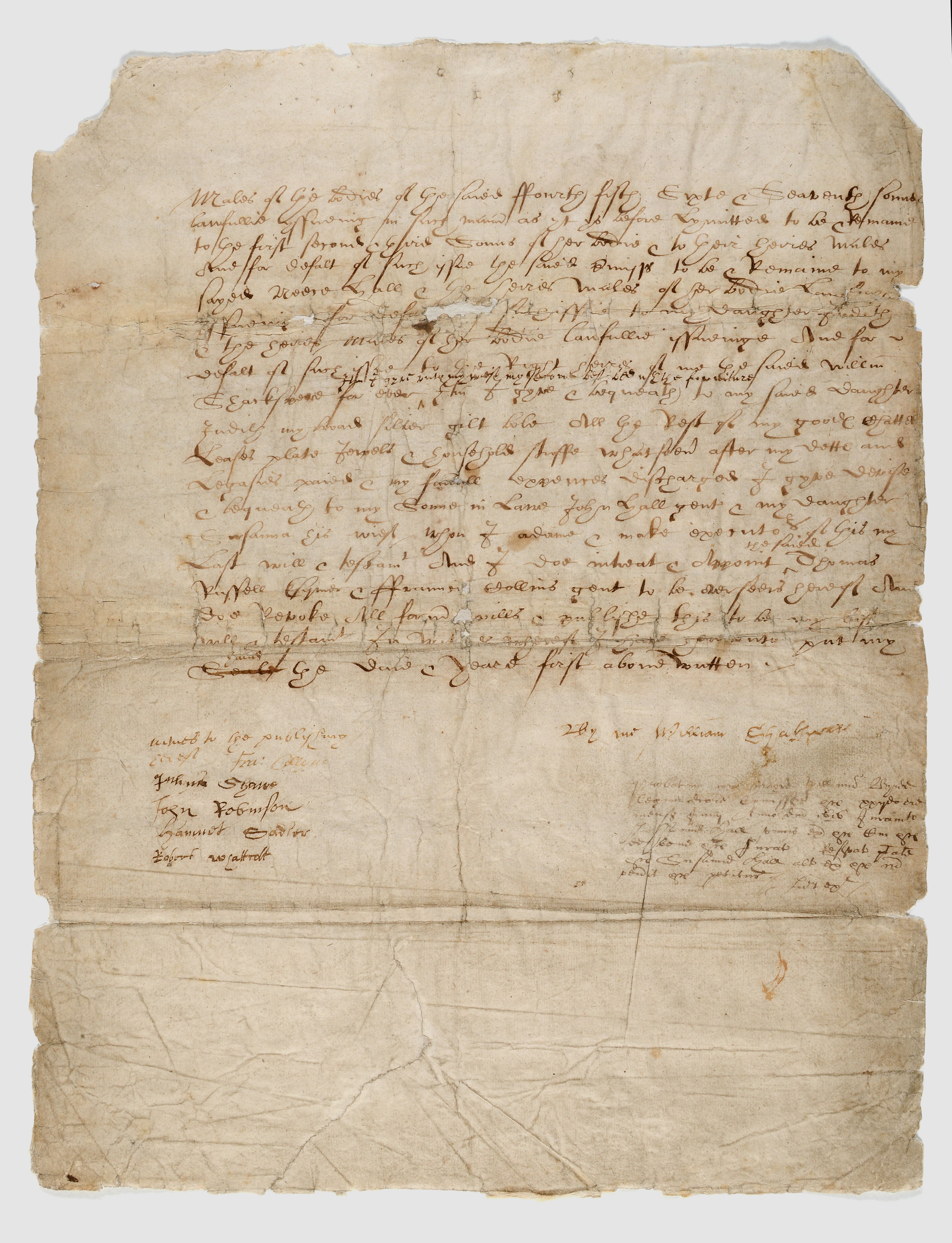
At its core, paleography is about understanding the 'how' and 'when' of writing. Paleographers meticulously examine the physical characteristics of a document: the script style (e.g., uncial, Carolingian minuscule, Gothic script), the direction of strokes, the abbreviations used (a common feature in medieval texts), the ink composition, and the writing surface (papyrus, parchment, vellum, paper). By comparing these features with known dated examples, paleographers can often pinpoint the approximate date and geographical origin of a manuscript. This process is akin to forensic analysis, where every detail, from the shape of a letter 'a' to the presence of specific scribal errors, provides clues. For instance, the transition from Roman cursive to later medieval scripts offers a clear chronological marker. The analysis extends to printed materials as well, with typographic history examining the evolution of typefaces and printing techniques, such as those developed by Johannes Gutenberg.
📊 Key Facts & Numbers
The sheer volume of historical textual material is staggering, with millions of manuscripts and inscriptions surviving from antiquity and the Middle Ages. For example, some ancient scripts, like Linear A, remain largely undeciphered. The Dead Sea Scrolls, discovered between 1947 and 1956, comprise over 900 manuscripts, with paleographic analysis crucial for dating them to between the 3rd century BCE and the 1st century CE. The Internet Archive and Google Books undertake massive digitization projects, making millions of pages accessible to paleographers worldwide.
👥 Key People & Organizations
Key figures in paleography span centuries and continents. Jean Mabillon (1632-1707) is widely considered the father of paleography and diplomatics, establishing rigorous methods for analyzing medieval documents. August Wilhelm von Hofmann (1818-1892) made significant contributions to the study of German scripts, while Luigi Schiaparelli (1867-1939) was a leading figure in Italian paleography. In the 20th century, scholars like Elisabeth Gabelentz and Bernhard Bischoff became giants in the field, particularly for their work on Carolingian and Insular scripts. Modern paleography benefits from institutions like the Institute for Advanced Study in Princeton, which hosts scholars working on ancient texts, and the Pontifical Institute of Mediaeval Studies in Toronto. Organizations such as the Paleographical Society (founded in 1888) and the International Paleographical Union (founded in 1952) foster collaboration and disseminate research globally. The National Archives and Records Administration (NARA) in the US and its counterparts worldwide are crucial repositories for paleographic study.
🌍 Cultural Impact & Influence
Paleography's influence extends far beyond academic circles, subtly shaping our understanding of history and culture. By enabling the accurate dating and authentication of documents, it has been instrumental in resolving historical disputes and debunking forgeries, such as the infamous Donation of Constantine forgery, exposed by Lorenzo Valla in the 15th century through linguistic and historical analysis that paleography would later solidify. The ability to read ancient texts has unlocked entire civilizations, from the Sumerians and Ancient Egyptians to the Maya. The visual aesthetics of historical scripts have also inspired artists and designers, influencing calligraphy, typography, and graphic design. Furthermore, the study of how texts were produced and circulated provides insights into the social and economic structures of past societies, revealing the roles of scribes, scriptoria, and early printing houses like Aldine Press. The very concept of historical truth is, in part, constructed through the painstaking work of paleographers.
⚡ Current State & Latest Developments
The digital revolution is profoundly reshaping paleography. Projects like the Digital Scriptorium and the Europeana Project are creating vast online archives of high-resolution manuscript images, accessible to researchers worldwide. AI and machine learning are increasingly being employed to assist in script recognition and transcription, accelerating the process of analyzing large corpora of texts. For instance, the Google AI team has developed tools to help decipher ancient scripts, and projects like the Script Recognition Project are pushing the boundaries of automated analysis. New imaging technologies, such as infrared reflectography and multispectral imaging, allow scholars to reveal faded or erased text invisible to the naked eye. The ongoing digitization of collections from institutions like the Bodleian Library and the Bibliothèque nationale de France continues to expand the raw material available for study, making paleography more accessible and dynamic than ever before.
🤔 Controversies & Debates
The field of paleography is not without its tensions and debates. A significant controversy revolves around the interpretation and dating of certain controversial texts, such as the Gospel of Judas, where paleographic evidence is weighed against theological and historical interpretations. The potential for bias in dating and attribution, particularly when dealing with texts that have significant religious or political implications, is a constant concern. Furthermore, the increasing reliance on digital tools and AI has sparked debate about the role of human expertise. Some scholars worry that over-reliance on algorithms could lead to a loss of nuanced understanding, while others champion these tools as essential for managing the sheer volume of material. The question of who controls access to digitized manuscripts and the potential for 'digital colonialism' also surfaces, as Western institutions often hold the primary digital surrogates of texts originating from other cultures. The very definition of what constitutes a 'historical document' can also be debated, especially when considering ephemeral materials or non-traditional forms of writing.
🔮 Future Outlook & Predictions
The future of
Key Facts
- Category
- history
- Type
- topic