
Contents
Overview
The pancreas's evolutionary journey traces back to the earliest vertebrates, with its dual exocrine and endocrine functions developing over millions of years. Early anatomical studies in ancient Greece, notably by Galen, began to describe its location and form, though its precise functions remained obscure for centuries. The exocrine role, linked to digestion, was more readily understood as scientists like William Beaumont conducted groundbreaking studies on digestion in the 19th century. However, the endocrine function, particularly the discovery of insulin's role in diabetes, only emerged in the early 20th century, a monumental breakthrough by Frederick Banting and Charles Best in 1921 at the University of Toronto. This discovery fundamentally reshaped our understanding of the pancreas from a mere digestive aid to a critical regulator of systemic metabolism.
⚙️ How It Works
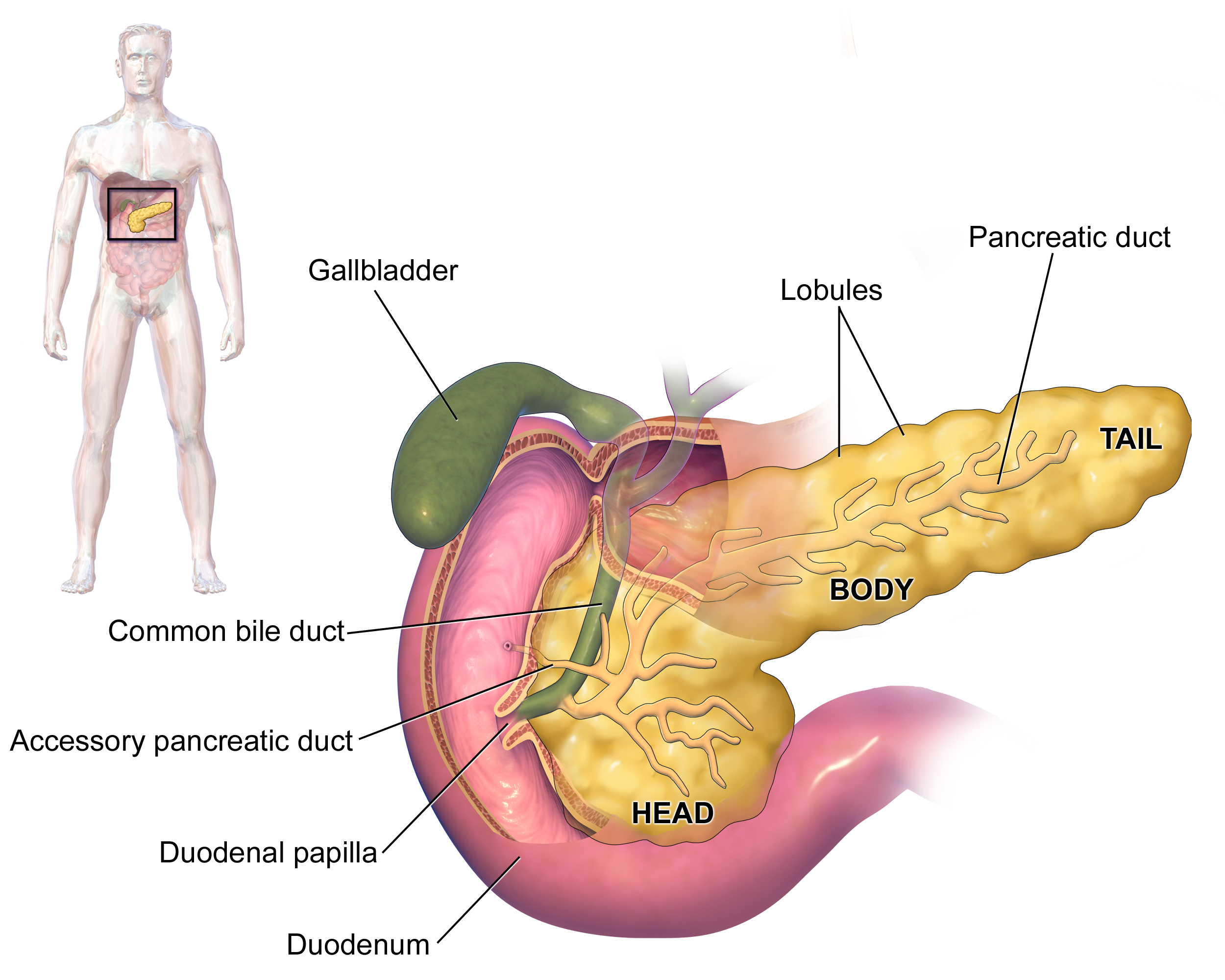
The pancreas operates as a sophisticated biochemical factory. Its exocrine component, comprising acinar cells, secretes pancreatic juice containing enzymes and bicarbonate, all delivered via the pancreatic duct to the duodenum. This juice also contains bicarbonate to neutralize the acidic chyme from the stomach, creating an optimal pH for enzyme activity. The endocrine component, housed within the islets of Langerhans, consists of alpha cells producing glucagon (which raises blood sugar) and beta cells producing insulin (which lowers blood sugar). Somatostatin, produced by delta cells, regulates the release of other hormones, while PP cells secrete pancreatic polypeptide, influencing digestive enzyme secretion and gastric emptying. This intricate hormonal interplay maintains glucose homeostasis.
📊 Key Facts & Numbers
The pancreas is a significant player in human physiology. Its exocrine function produces a volume crucial for digesting food. The islets of Langerhans contain millions of endocrine cells. In a healthy individual, blood glucose levels are maintained within a tight range. However, conditions like Type 1 diabetes can result from the autoimmune destruction of beta cells before symptoms manifest, highlighting the organ's reserve capacity. Pancreatic cancer, unfortunately, has a grim prognosis.
👥 Key People & Organizations
Key figures in understanding the pancreas include Frederick Banting and Charles Best, who isolated insulin. Paul Langerhans first described the microscopic cell clusters within the pancreas that now bear his name, the islets of Langerhans. Eugene L. Obiaka has contributed significantly to research on pancreatic cancer treatment. Organizations like the American Diabetes Association and the Pancreatic Cancer Action Network are pivotal in funding research, raising awareness, and supporting patients affected by pancreatic diseases. The National Institutes of Health (NIH) also funds extensive research into pancreatic function and disease.
🌍 Cultural Impact & Influence
The pancreas's influence extends beyond mere bodily function into cultural narratives, often as a symbol of hidden vulnerability or critical internal processes. Its role in digestion is a common theme in discussions about health and diet, while its endocrine function, particularly concerning insulin and diabetes, has entered mainstream awareness, largely due to public health campaigns and the experiences of millions. The dramatic and often fatal nature of pancreatic cancer has also made it a subject in media, sometimes portraying it as a silent killer, underscoring the organ's critical but often unseen importance. The discovery of insulin by Frederick Banting and Charles Best is a celebrated medical triumph, representing a profound victory over a previously untreatable disease.
⚡ Current State & Latest Developments
Current research is intensely focused on regenerative medicine and novel treatments for pancreatic diseases. For diabetes, breakthroughs in islet cell transplantation and the development of artificial pancreas systems are offering new hope for improved glycemic control. In the realm of pancreatic cancer, scientists are exploring targeted therapies, immunotherapies, and early detection methods, such as liquid biopsies that can detect tumor DNA in the bloodstream. The National Cancer Institute is investing heavily in understanding the tumor microenvironment and developing strategies to overcome treatment resistance. Advances in genomic sequencing are also revealing the complex genetic underpinnings of pancreatic diseases, paving the way for personalized medicine approaches.
🤔 Controversies & Debates
The pancreas is a focal point of significant debate, particularly concerning the optimal management of diabetes. Debates rage over the long-term efficacy and accessibility of insulin therapy versus other treatments, and the ethical considerations surrounding islet cell transplantation. For pancreatic cancer, a major controversy revolves around early detection; intense discussion exists about developing reliable biomarkers. Furthermore, the role of alcohol consumption as a driver of pancreatitis is well-established but often debated in terms of public health policy and individual responsibility.
🔮 Future Outlook & Predictions
The future of pancreas research is brimming with potential. Gene editing technologies like CRISPR-Cas9 hold promise for correcting genetic defects associated with pancreatic diseases, potentially leading to cures for certain forms of diabetes and hereditary pancreatic cancers. Researchers are also exploring the gut microbiome's influence on pancreatic health, suggesting new avenues for prevention and treatment. The development of more sophisticated organoid models of the pancreas could accelerate drug discovery and personalized treatment strategies. Experts predict that within the next two decades, significant progress will be made in achieving functional cures for Type 1 diabetes and improving survival rates for pancreatic cancer through early detection and novel therapeutic combinations.
💡 Practical Applications
The pancreas's primary practical application lies in its direct role in human health. For individuals with diabetes, understanding pancreatic function is paramount for managing their condition through insulin therapy, diet, and exercise. The development of insulin pumps and continuous glucose monitors are direct applications of our knowledge of pancreatic endocrine function. For digestive disorders, understanding the exocrine function informs treatments for exocrine pancreatic insufficiency, often involving enzyme replacement therapy. Furthermore, the pancreas serves as a model for studying endocrine and exocrine gland function, informing research into similar organs and diseases across the body. Its role in producing digestive enzymes is also mimicked in digestive aid supplements.
Key Facts
- Category
- nature
- Type
- topic