
Contents
Overview
Permanent magnets are materials that retain their magnetism after being exposed to an external magnetic field, creating their own persistent magnetic field. Unlike electromagnets, they require no external power source to maintain their magnetic properties, making them indispensable in countless applications. From the humble refrigerator magnet to the sophisticated components in electric vehicles and medical imaging devices, permanent magnets are fundamental to modern technology. Their development, spanning from naturally occurring lodestone to advanced rare-earth alloys like neodymium and samarium-cobalt, represents a significant arc in materials science and engineering. The global market for permanent magnets is substantial, projected to reach tens of billions of dollars annually, underscoring their pervasive economic and technological importance.
🎵 Origins & History
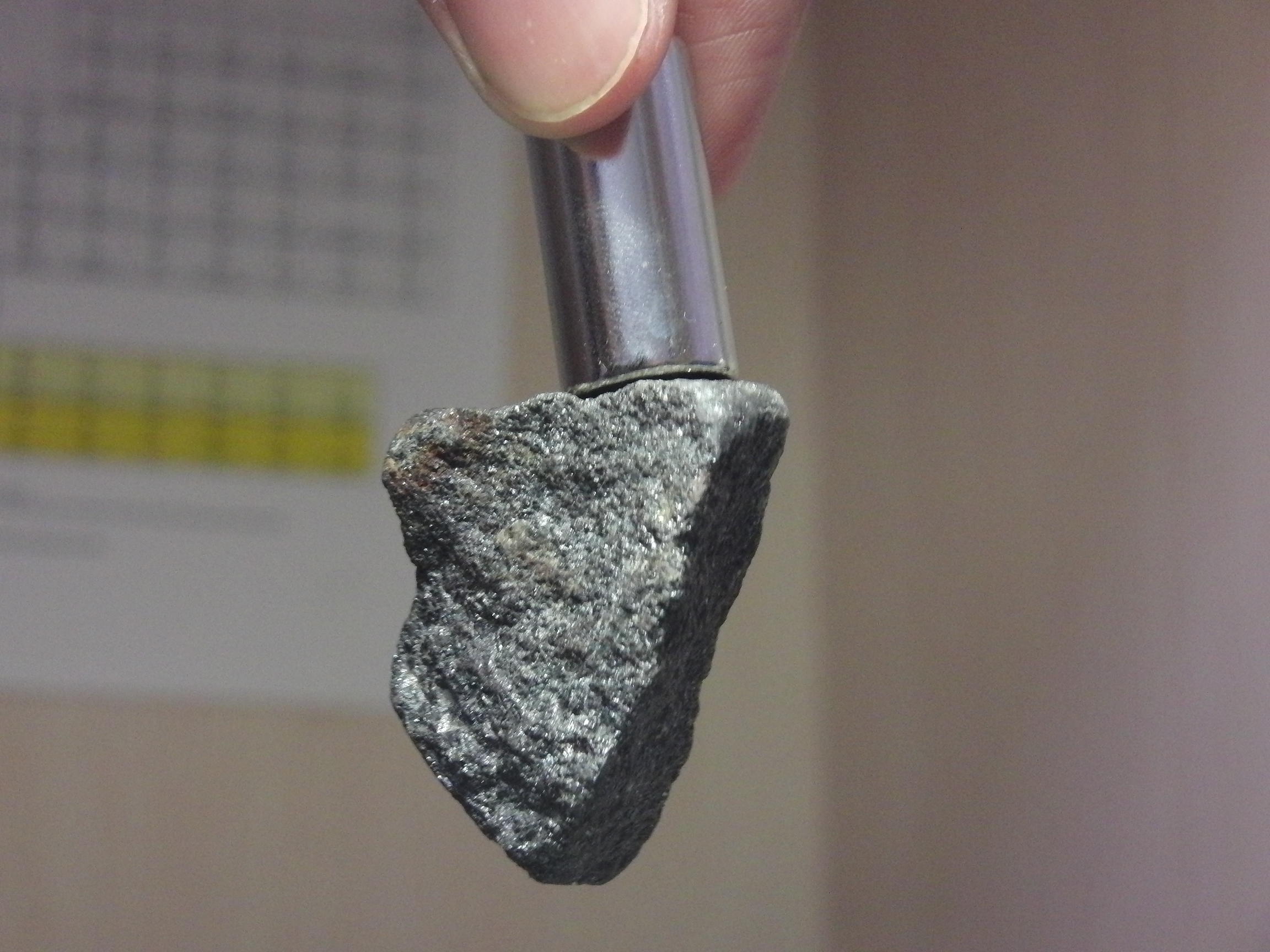
The story of permanent magnets begins not in a laboratory, but with naturally occurring lodestone, a magnetic form of the mineral magnetite (Fe₃O₄). Early scientific inquiry into magnetism gained momentum with figures like William Gilbert. The 18th and 19th centuries saw the development of steel magnets and the discovery of alloys that could retain magnetism more effectively. The true revolution, however, arrived in the 20th century with the invention of ferrite magnets, followed by the even more powerful Alnico and later, the discovery of rare-earth magnets, including neodymium and samarium-cobalt. These advancements dramatically increased magnetic strength and efficiency, paving the way for modern technological marvels.
⚙️ How It Works
Permanent magnets function by aligning the magnetic domains within a ferromagnetic or ferrimagnetic material. In these materials, individual atoms possess magnetic moments that tend to align with their neighbors. When exposed to a strong external magnetic field, these domains align, and in 'hard' magnetic materials suitable for permanent magnets, this alignment persists even after the external field is removed. This persistent alignment creates a net magnetic dipole moment for the object, generating an external magnetic field. The strength and characteristics of this field are determined by the material's composition, crystal structure, and manufacturing process, such as sintering or bonding. The magnetic field lines emerge from the north pole and re-enter at the south pole, exerting forces on other magnetic materials or moving electric charges. Key properties include coercivity (resistance to demagnetization), remanence (magnetic flux density remaining after magnetization), and maximum energy product (a measure of magnetic strength).
📊 Key Facts & Numbers
The global permanent magnet market is a significant economic force. Neodymium magnets, the strongest type, account for roughly 80% of the high-performance magnet market. Producing one ton of rare-earth magnets requires processing about 200 tons of ore, highlighting the resource intensity. China dominates global rare-earth production, controlling an estimated 85% of the mining and 90% of the processing capacity. A single Tesla Model 3 electric vehicle uses approximately 2 kilograms of rare-earth magnets in its motor and other components. The energy density of modern permanent magnets can be up to 50 times that of iron magnets, enabling smaller, lighter, and more powerful devices.
👥 Key People & Organizations
Pioneering figures in magnetics include William Gilbert, whose work laid foundational principles. Key organizations like General Motors (GM) and Sumitomo Special Metals were instrumental in the discovery of neodymium-iron-boron magnets. Companies such as Stearns Magnetic and Nhiễm Từ Hóa Việt Nam are significant players in manufacturing. Research continues at institutions like the Massachusetts Institute of Technology (MIT) and Tokyo Institute of Technology, pushing the boundaries of magnetic materials science. The ongoing development of magnetic refrigeration technologies also involves key researchers in thermodynamics and materials engineering.
🌍 Cultural Impact & Influence
Permanent magnets have profoundly shaped human civilization, from enabling accurate navigation with the magnetic compass to powering the industrial revolution through electric motors. Their influence is deeply embedded in everyday life: refrigerator magnets, magnetic clasps on purses, speakers in audio equipment, and the hard drives in our computers all rely on them. The advent of powerful rare-earth magnets has been a catalyst for miniaturization and increased efficiency in electronics, leading to smaller smartphones, more powerful drones, and advanced medical devices like MRI scanners. The transition to renewable energy, particularly wind turbines and electric vehicles, is critically dependent on high-performance permanent magnets for their generators and motors, signifying their role in addressing climate change. Their ubiquity means their cultural resonance is often overlooked, yet they are fundamental to the functioning of the modern technological world.
⚡ Current State & Latest Developments
The current landscape of permanent magnets is dominated by the pursuit of higher energy products, improved temperature stability, and reduced reliance on critical rare-earth elements. Research is intensely focused on developing 'rare-earth-free' magnets, such as Mn-Al-C and iron nitride (Fe₁₆N₂) based materials, to mitigate supply chain risks and geopolitical dependencies associated with China's dominance in rare-earth mining. Advances in additive manufacturing (3D printing) are enabling the creation of complex magnet geometries for specialized applications. Furthermore, the development of magnetic refrigeration systems, which use the magnetocaloric effect, is gaining traction as a potentially more energy-efficient alternative to traditional compressor-based cooling technologies. The integration of permanent magnets into smart grids and advanced energy storage solutions is also a key area of development.
🤔 Controversies & Debates
The primary controversy surrounding permanent magnets centers on the environmental and geopolitical implications of rare-earth element extraction. China's near-monopoly on mining and processing has led to concerns about supply chain security and price volatility, prompting efforts by countries like the United States and Australia to develop domestic rare-earth capabilities. The mining and refining of rare earths can be environmentally damaging, involving toxic chemicals and significant waste generation. There are also debates about the recyclability of rare-earth magnets; while technically possible, current recycling infrastructure is limited and often economically unviable. Furthermore, the increasing use of powerful magnets in consumer electronics raises questions about potential health effects, though scientific consensus generally holds that typical exposure levels are safe. The push for 'green' magnets without rare earths is a significant area of contention and research.
🔮 Future Outlook & Predictions
The future of permanent magnets points towards materials with unprecedented performance and sustainability. Researchers are exploring novel magnetic alloys and nanostructured materials that could offer higher coercivity and energy products, potentially enabling even smaller and more powerful motors and generators. The development of 'smart' magnets that can be switched on and off or have their properties tuned remotely is an active area of research, with potential applications in advanced robotics and data storage. Magnetic refrigeration is poised for commercialization, offering a potentially greener alternative for cooling. Efforts to establish robust rare-earth recycling programs and develop viable rare-earth-free alternatives will continue to shape the industry, aiming for a more secure and environmentally responsible supply chain. The integration of magnetic materials into quantum computing and advanced sensor technologies also represents a significant future frontier.
💡 Practical Applications
Permanent magnets are ubiquitous in practical applications. They are essential components in electric motors for [[electric-vehicles
Key Facts
- Category
- technology
- Type
- topic