
Contents
- 🎵 Origins & History
- ⚙️ How It Works
- 📊 Key Facts & Numbers
- 👥 Key People & Organizations
- 🌍 Cultural Impact & Influence
- ⚡ Current State & Latest Developments
- 🤔 Controversies & Debates
- 🔮 Future Outlook & Predictions
- 💡 Practical Applications
- 📚 Related Topics & Deeper Reading
- Frequently Asked Questions
- References
- Related Topics
Overview
The genesis of the modern pride parade can be traced to the aftermath of the Stonewall Riots in June 1969, a series of spontaneous demonstrations by members of the LGBTQ+ community against a police raid at the Stonewall Inn in Greenwich Village, New York City. In commemoration, on June 28, 1970, the first marches took place in New York, Los Angeles, Chicago, and San Francisco, marking the first anniversary of the uprising. These were not merely celebrations but potent political protests, dubbed the Christopher Street Liberation Day March in New York. Early parades were characterized by their raw activism, demanding visibility and an end to discrimination. Over the subsequent decades, these events proliferated globally, adapting to local contexts and evolving from small, often clandestine gatherings into massive, highly visible public spectacles, with the first recorded pride event in Nepal occurring in 2001.
⚙️ How It Works
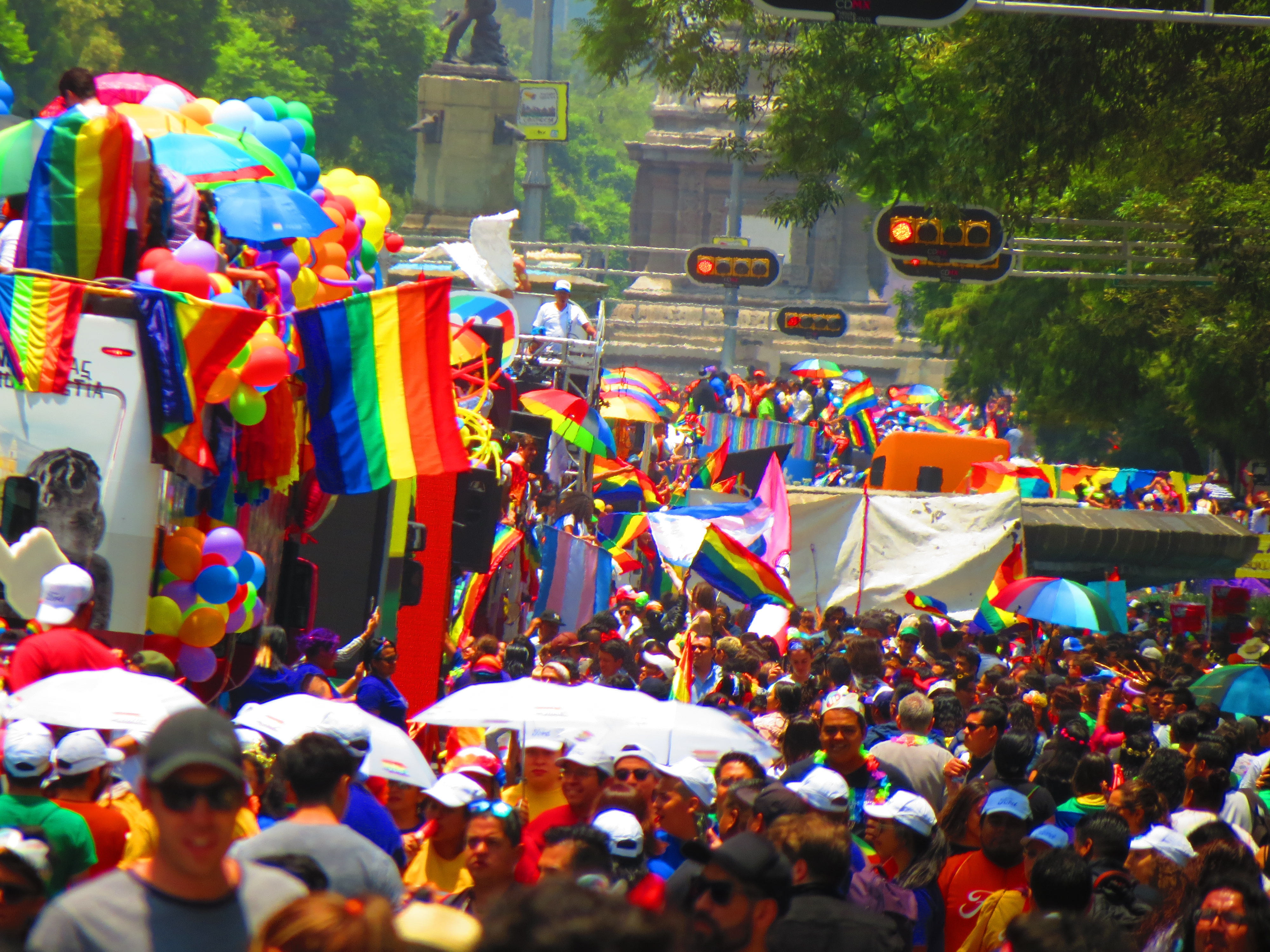
At their core, pride parades function as organized public demonstrations and celebrations. They typically involve a procession of participants, often featuring decorated floats, marching bands, dancers, and individuals carrying banners and signs. The route is usually pre-determined and sanctioned by local authorities, often traversing significant city thoroughfares. Beyond the march itself, many pride events encompass a broader festival atmosphere, including stages with live music and performances, vendor booths selling merchandise, and community resource centers offering information and support. The organizational structure often involves dedicated committees or non-profit organizations that coordinate logistics, secure permits, manage volunteers, and fundraise, with many relying on sponsorships from corporations and government entities.
📊 Key Facts & Numbers
Globally, pride parades attract staggering numbers. The 2019 WorldPride in New York City, celebrating the 50th anniversary of Stonewall, is estimated to have drawn over 5 million participants and spectators, making it one of the largest events in the city's history. In 2016, São Paulo's Pride Parade was recognized by Guinness World Records as the largest pride parade in the world, with an estimated 4 million attendees. Many major cities now host parades that draw hundreds of thousands, if not millions, annually, such as those in London, Toronto, and Berlin. The economic impact is also significant, with studies suggesting that pride events can generate tens of millions of dollars in revenue for host cities through tourism and local spending.
👥 Key People & Organizations
Key figures and organizations have been instrumental in shaping pride parades. Early activists like Marsha P. Johnson and Sylvia Rivera, who were present at Stonewall, became vocal advocates for LGBTQ+ rights and visibility, laying the groundwork for future demonstrations. Organizations such as Stonewall UK, Human Rights Campaign (HRC), and GLAAD have played crucial roles in advocating for LGBTQ+ rights and often participate in or sponsor pride events. The InterPride organization, founded in 1982, serves as a global network of pride organizers, facilitating the exchange of ideas and supporting the development of new pride events worldwide, including the selection of host cities for WorldPride.
🌍 Cultural Impact & Influence
Pride parades have profoundly influenced global culture, serving as powerful catalysts for social change and increased LGBTQ+ visibility. They have normalized LGBTQ+ identities in public spaces, challenging heteronormative assumptions and fostering a sense of belonging for individuals within the community. The visual spectacle of parades has been widely adopted in media, from documentaries to fictional narratives, further embedding LGBTQ+ themes into mainstream consciousness. Beyond cultural shifts, pride parades have directly contributed to legislative victories, such as the legalization of same-sex marriage in numerous countries, by demonstrating widespread public support and creating sustained pressure on policymakers. The aesthetic of pride, characterized by rainbow flags and vibrant displays, has become an internationally recognized symbol of LGBTQ+ identity and pride.
⚡ Current State & Latest Developments
The landscape of pride parades is continuously evolving. While many traditional parades continue to thrive, there's a growing trend towards more diverse and inclusive events that acknowledge the intersectionality of identities within the LGBTQ+ community. This includes greater representation for transgender, non-binary, and queer individuals, as well as people of color. In recent years, some cities have seen the emergence of 'reclaim pride' or 'anti-pride' marches, which critique the commercialization and perceived dilution of the original protest spirit. Simultaneously, the global reach of pride continues to expand, with events taking place in countries where LGBTQ+ rights are still nascent or actively suppressed, often requiring significant security and advocacy efforts.
🤔 Controversies & Debates
The commercialization of pride parades is a persistent point of contention. Critics argue that the increasing involvement of corporate sponsors, some with questionable human rights records, dilutes the political message and transforms a protest into a marketing opportunity. This has led to debates about who 'owns' pride and whether certain brands should be allowed to participate. Another ongoing debate centers on the balance between celebration and protest. While many attendees embrace the festive atmosphere, some feel that the focus has shifted too far from the urgent need for continued activism and policy change, particularly concerning issues like transgender rights and global LGBTQ+ persecution. The inclusion and representation of all facets of the LGBTQ+ community, especially marginalized groups, also remain subjects of discussion and reform.
🔮 Future Outlook & Predictions
The future of pride parades will likely involve a continued negotiation between celebration and activism. As more countries legalize same-sex marriage and anti-discrimination laws, the nature of the 'protest' aspect may shift, potentially focusing on more specific legislative goals or addressing systemic inequalities. There's also a growing emphasis on digital pride, with online events and platforms becoming increasingly important for global reach and accessibility, especially for those unable to attend physical parades. Furthermore, the impact of climate change and the need for sustainable event practices will likely influence how future parades are organized, potentially leading to more environmentally conscious approaches. The ongoing challenge will be to maintain the core spirit of protest and community while adapting to new social, political, and environmental realities.
💡 Practical Applications
Pride parades serve as powerful platforms for advocacy, community building, and raising awareness about LGBTQ+ issues. They provide a visible space for individuals to express their identities openly, fostering a sense of solidarity and reducing feelings of isolation. For organizations, parades are opportunities to connect with the community, distribute information about health services, legal aid, and support networks, and recruit volunteers. They also act as economic drivers, attracting tourism and boosting local businesses. The visual impact of parades, particularly the widespread use of the rainbow flag, has also created a universally recognized symbol that promotes acceptance and celebrates diversity, influencing everything from fashion to corporate branding.
Key Facts
- Year
- 1970-present
- Origin
- United States
- Category
- movements
- Type
- event
Frequently Asked Questions
What is the origin of pride parades?
Pride parades originated from the Stonewall Riots in June 1969. The first marches were held on June 28, 1970, in New York City, Los Angeles, Chicago, and San Francisco, to commemorate the one-year anniversary of the riots and to protest ongoing discrimination against the LGBTQ+ community. These early events were primarily political demonstrations demanding rights and visibility.
How have pride parades evolved since their inception?
Since their inception as protests, pride parades have evolved into large-scale public events that blend celebration with activism. While retaining their roots in demanding rights, they now often feature elaborate floats, musical performances, and a festive atmosphere. Many cities worldwide host annual pride events, with some, like WorldPride, attracting millions of participants and becoming significant cultural and economic phenomena, though debates about commercialization persist.
What is the significance of the rainbow flag in pride parades?
The rainbow flag, designed by Gilbert Baker in 1978, is the most recognizable symbol of pride parades and the broader LGBTQ+ movement. Each color traditionally represents different aspects of life and community: red for life, orange for healing, yellow for sunlight, green for nature, blue for harmony, and violet for spirit. Its widespread display at parades signifies unity, diversity, and the collective identity of the LGBTQ+ community.
Are pride parades still considered protests?
Yes, many pride parades continue to function as protests, even as they incorporate celebratory elements. Activists use these events to raise awareness about ongoing issues such as discrimination, violence against transgender individuals, and the fight for full legal equality in various regions. The 'protest' aspect remains crucial, particularly in countries where LGBTQ+ rights are not fully recognized or are under threat, reminding attendees that the fight for equality is ongoing.
Who are some key figures associated with the origins of pride parades?
Key figures include Marsha P. Johnson and Sylvia Rivera, who were prominent activists during the Stonewall Riots and continued to advocate for LGBTQ+ rights through organizing and participation in early pride events. Gilbert Baker, the creator of the rainbow flag, is also a foundational figure whose design became synonymous with pride celebrations worldwide.
How do pride parades impact local economies?
Pride parades can significantly boost local economies by attracting large numbers of tourists and participants who spend money on accommodation, food, retail, and entertainment. For example, the WorldPride event in New York City in 2019 was estimated to generate hundreds of millions of dollars in economic impact. This economic benefit often makes cities eager to host these large-scale events, though it also fuels discussions about the balance between economic gain and the original protest ethos.
What are the main controversies surrounding pride parades today?
Major controversies include the increasing commercialization and corporate sponsorship, which some feel dilutes the movement's political message. Debates also arise over the balance between celebration and protest, with some arguing that parades have become too focused on festivity and not enough on activism. Furthermore, ensuring genuine inclusivity and representation for all members of the diverse LGBTQ+ community, particularly transgender and non-binary individuals, remains an ongoing challenge and point of discussion.