
Contents
Overview
The concept of resume parsing emerged as a solution to the overwhelming volume of applications recruiters receive, a challenge amplified by the digital age and platforms like LinkedIn. Early systems focused on keyword matching, but advancements in AI and machine learning, akin to the progress seen in natural language processing (NLP) used by tools like ChatGPT, have led to more sophisticated parsing. Companies like Textkernel and RChilli have been instrumental in developing these technologies, aiming to automate the tedious task of sifting through resumes, a process that historically consumed significant time and resources, much like the manual processes that preceded the digital music revolution.
⚙️ How It Works
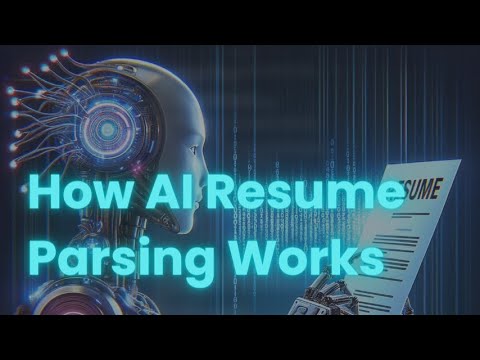
Resume parsing software functions by analyzing resumes in various formats (PDF, DOCX, etc.) and extracting key data points such as contact information, work experience, education, and skills. This is achieved through techniques like optical character recognition (OCR) for scanned documents, followed by NLP to understand context and structure. The extracted data is then organized into a standardized format, often JSON or XML, which can be easily integrated into Applicant Tracking Systems (ATS) or other HR databases. This structured data allows for efficient searching, filtering, and comparison of candidates, a stark contrast to the manual review processes that might have been used in earlier eras of recruitment, or even the complex data handling required for projects like the Landsat Program.
🌍 Cultural Impact
The widespread adoption of resume parsing has significantly impacted the recruitment landscape, influencing how both employers and job seekers approach the application process. For recruiters, it enables faster screening, reduced bias, and better data management, allowing them to focus on more strategic tasks like candidate engagement, similar to how platforms like Reddit or TikTok have changed content consumption. Job seekers, on the other hand, are increasingly aware of ATS compatibility, leading to more standardized resume formats and a focus on keyword optimization. This shift has also given rise to discussions about the potential for AI in recruitment to overlook nuanced qualifications or introduce new forms of bias, a debate that echoes concerns about algorithms in other fields, such as news algorithms or social media.
🚀 Legacy & Future
The future of resume parsing is closely tied to advancements in AI and machine learning, promising even greater accuracy, contextual understanding, and bias mitigation. Innovations are expected to move beyond simple data extraction to include predictive analytics for candidate success and more sophisticated matching capabilities. Integration with other HR technologies, such as AI-powered chatbots and candidate relationship management (CRM) systems, will become more seamless, creating a holistic talent acquisition ecosystem. As the technology evolves, it will continue to shape professional networking strategies and the overall efficiency of talent acquisition, potentially rivaling the impact of earlier technological shifts like the development of Git version control or the widespread adoption of automation.
Key Facts
- Year
- 2020s
- Origin
- Global
- Category
- technology
- Type
- technology
Frequently Asked Questions
What is resume parsing?
Resume parsing is the automated process of extracting and organizing data from resumes into structured formats for easy analysis. It uses advanced algorithms, machine learning, and natural language processing to identify and categorize information like contact details, work experience, education, and skills.
How does resume parsing work?
Resume parsing software analyzes resumes, often using OCR for scanned documents, then applies NLP to extract key data points. This information is structured into formats like JSON or XML, making it compatible with Applicant Tracking Systems (ATS) and other HR databases for efficient searching and filtering.
What are the benefits of resume parsing?
Key benefits include saving time and costs by automating manual screening, improving accuracy and consistency, enhancing the candidate experience through faster application processes, and enabling data-driven decision-making by providing structured candidate data.
What are the different types of resume parsing technology?
The main types include statistical parsing (using numerical models), keyword-based parsing (scanning for specific words), and AI-powered parsing (using machine learning and NLP for higher accuracy and contextual understanding).
How does resume parsing impact job seekers?
Job seekers are increasingly aware of ATS compatibility and tend to format their resumes with keywords that parsing software can easily identify. This can lead to more standardized resumes, but also raises concerns about potentially overlooking candidates with unique qualifications that don't fit standard parsing criteria.
References
- affinda.com — /resume-parser
- marketplace.apilayer.com — /resume_parser-api
- textkernel.com — /products-solutions/parser/
- indeed.com — /career-advice/resumes-cover-letters/resume-parsing
- rchilli.com — /solutions/resumeparser
- skima.ai — /blog/industry-trends-and-insights/7-free-resume-parser-tools-for-effective-hiri
- aihr.com — /hr-glossary/resume-parsing/
- resumereaderapi.com — /